

If your arms, thighs, or cheeks feel like sandpaper — small bumps, rough texture, maybe slight itching — you might have chicken skin, medically called keratosis pilaris (KP). While harmless, KP can affect confidence and skin comfort.
Keratosis pilaris occurs when hair follicles become clogged with keratin, a protein that normally strengthens hair and nails. Instead of shedding naturally, dead skin cells mix with keratin and block the follicle opening, creating tiny bumps. Many describe them as goosebump-like patches that don’t vanish easily.
Typically, KP appears on the upper arms, thighs, buttocks, or cheeks. Skin in these areas may feel dry, irritated, or itchy, especially when friction occurs from clothing or scratching. KP doesn’t lead to serious medical issues, and many people see natural improvement in their 20s or 30s. Still, consistent care can improve texture, comfort, and appearance.
Causes and Triggers: Why Chicken Skin Appears
Living in the UAE or other hot, dry climates can make KP more noticeable. Several factors contribute:
-
Dry indoor air and frequent AC use: Low humidity dries out skin, making keratin buildup worse.
-
Hot showers and climate: Heat strips moisture, leading to rougher skin and irritation.
-
Friction from tight clothing: Areas under straps or where fabrics rub frequently may flare.
-
Skipping moisturizers: Lack of daily hydration prevents proper shedding of dead cells.
Other general factors include genetics (KP often runs in families), hormonal changes, and skin type. Understanding triggers helps tailor a skincare routine that minimizes flare-ups.
Symptoms: How to Recognize Keratosis Pilaris
KP is easy to identify if you know the signs:
- Small, rough bumps on arms, thighs, buttocks, or cheeks
- Dry, itchy, or irritated skin around the bumps
- Slight redness or inflammation in some areas
- Texture similar to sandpaper or goosebumps
Unlike acne, KP does not include pus-filled pimples or deep inflammation. It’s usually asymptomatic aside from cosmetic concerns and mild itch.
Dermatologist-Recommended Approaches
While KP is harmless, dermatologists suggest methods to improve skin texture and comfort:
-
Gentle Cleansing: Use mild, soap-free cleansers instead of harsh soaps that can irritate the skin.
-
Moisturization: Daily hydration helps restore the skin barrier, retain moisture, and reduce roughness. Moisturizers should be rich in ceramides, glycerin, or shea butter.
-
Exfoliation: Chemical exfoliants containing lactic acid, urea, or alpha hydroxy acids (AHAs) gently remove dead skin without causing inflammation. Avoid aggressive physical scrubs.
-
Consistency: KP improves gradually. Skipping routines can allow bumps to return.
Maintaining skin barrier health is crucial — think of your skin like a wall. If it’s damaged, the keratin plugs persist, making bumps worse.
The Watermelon-Approved Products for KP

Using Bioderma and Esthederm products helps repair, hydrate, and protect skin, particularly in challenging UAE climates. Here’s how to incorporate them:
- Esthederm Intensive Hyaluronic Cream: Deep hydration keeps skin plump and reduces dryness that exacerbates KP.
-
Esthederm Cellular Water Fresh Moisturizing Gel: Lightweight gel for daytime hydration without greasiness.
-
Esthederm Eau Cellulaire Melting Moisturizing Cream
Rich cream perfect for arms, thighs, or buttocks, especially during dry seasons.
_________________________________________________________________________________________
-
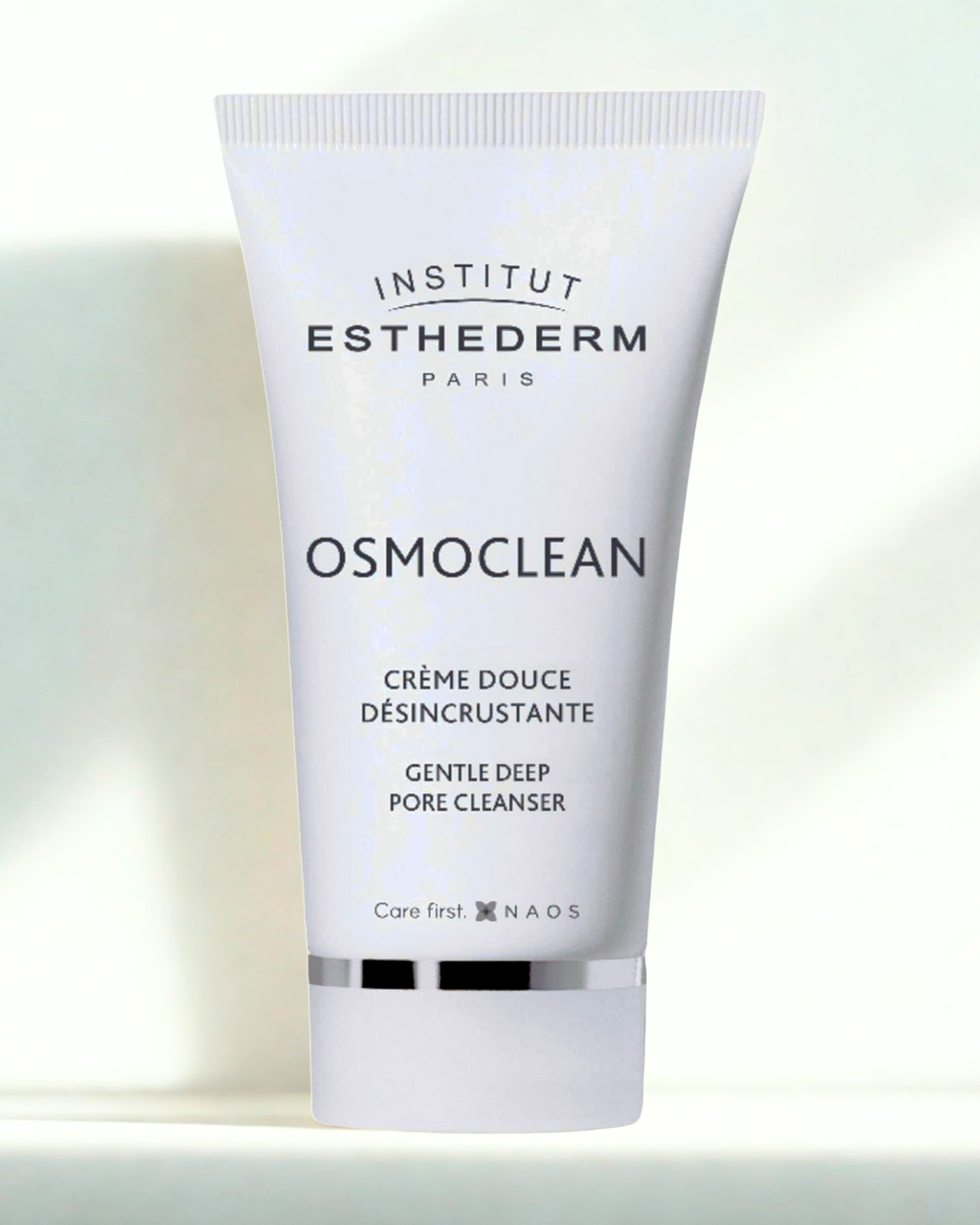
Esthederm Osmoclean Pore Cleanser: Cleans without stripping essential moisture.
Tip: Apply moisturizers while skin is slightly damp after showering. Layer lighter gels during the day and richer creams at night to maximize barrier repair.
Building a Practical Routine
Morning:
-
Cleanse gently with Esthederm Osmoclean Pore Cleanser.
-
Apply a light Moisturizer or Gel to damp skin
Evening:
-
Reapply Moisturizer to dry areas
-
Use richer Creams like Esthederm Eau Cellulaire Melting Moisturizing Cream on dry spots,.
Extra Care (2–3x per week):
-
Gentle exfoliation with a soft cloth or chemical exfoliant as tolerated
-
Avoid harsh loofahs or strong scrubs
Lifestyle Support:
-
Stay hydrated
-
Wear breathable cotton clothing
-
Avoid hot showers and fragrance-heavy products
-
Maintain consistent moisturizing
Patience and Expectations
Keratosis pilaris improves slowly. With diligent care, many notice smoother skin within 4–6 weeks, though ongoing maintenance is needed. Flare-ups can happen with seasonal changes or friction, but routine care keeps them minimal.
When to See a Dermatologist
Seek professional advice if:
- Bumps are inflamed, painful, or itchy
- You’re unsure about the diagnosis (could be folliculitis or eczema)
- Home care isn’t improving skin after months
- You want prescription options like mild retinoids or medicated creams
Dermatologists can confirm KP visually, perform patch tests, and recommend stronger treatments if necessary.
Final Thoughts
Keratosis pilaris may feel stubborn, but it’s manageable. With gentle cleansing, consistent moisturization, barrier repair, and careful exfoliation, you can improve skin texture and comfort. Using products from Bioderma and Esthederm ensures your skin stays hydrated, soothed, and resilient — even in the UAE’s hot, dry climate.
Remember, this is a long-term skin ritual, not a quick fix. Consistency and patience are key — and over time, you can enjoy smoother, healthier skin without being limited by “chicken skin.”
For additional Research
0 تعليقات