

Hair loss can take many forms — from temporary shedding after stress to gradual thinning with age — but when hair falls out in patches accompanied by inflammation and scalp discomfort, it may point to a less common but serious condition called Lichen Planopilaris (LPP). This autoimmune disorder causes chronic inflammation of hair follicles, leading to scarring alopecia — permanent follicle destruction and irreversible hair loss.
In this comprehensive guide, we’ll explore the causes, symptoms, diagnosis, and treatment options for LPP, explain how it differs from other types of hair loss, and recommend supportive scalp care products from trusted brands like Bioderma and Esthederm available at The Watermelon — to help you maintain scalp comfort and health alongside medical treatment.
What Is Lichen Planopilaris? A Deep Dive

Lichen Planopilaris is a rare inflammatory scarring alopecia, meaning the immune system mistakenly attacks the hair follicle stem cells and surrounding scalp tissue. This assault triggers inflammation, causes discomfort, and gradually destroys hair follicles — replacing them with scar tissue that cannot grow new hair.
Although it can affect individuals of any age, LPP most commonly occurs in women between ages 30 and 60. It’s considered the leading cause of scarring alopecia, even though it accounts for a small percentage of total hair‑loss cases.
LPP is related to lichen planus, a more general inflammatory condition that can affect skin, nails, or mucous membranes. When this inflammation targets the scalp and hair follicles, Lichen Planopilaris develops, leading to patches of hair loss that often look smooth or shiny because follicles have been destroyed.
Causes and Risk Factors: Why LPP Happens
The exact cause of Lichen Planopilaris remains unclear, but research strongly supports an autoimmune basis — where the body’s own immune system attacks hair follicle stem cells. T‑lymphocytes, a type of immune cell, play a significant role in this destructive process.
While genetics may contribute to immune susceptibility, no one specific gene has been definitively linked to LPP. Often, people with other autoimmune conditions — such as lichen planus of the skin or nails, thyroid disorders, or rheumatologic diseases — may be at increased risk.
Environmental triggers, hormonal factors, and chemical exposures may also interact with underlying immune dysregulation, though associations are not fully understood. Some theories suggest that medications, infections, or chronic inflammation elsewhere in the body could act as triggers, but evidence remains limited.
LPP is not contagious or infectious — it doesn’t spread from person to person — and it isn’t considered hereditary in a simple inherited pattern, though immune‑related genes may influence susceptibility.
Recognizing Lichen Planopilaris: Signs and Symptoms
The earliest sign of Lichen Planopilaris is often patchy hair loss that doesn’t fully regrow and can expand over time. Unlike non‑scarring forms of hair loss (like telogen effluvium or androgenetic alopecia), LPP destroys the follicle itself, which means hair lost in affected areas cannot grow back once scar tissue forms
Patchy Hair Loss and Scarring
Affected areas of the scalp may become shiny and smooth because hair follicles are replaced by scar tissue. The patches often occur on the crown or vertex but can appear anywhere on the scalp.
Redness and Perifollicular Scaling
Around affected hairs, the scalp may show redness and tiny scales — a hallmark of inflammation and follicular disruption.
Itching, Burning, or Tenderness
Inflammation can make the scalp feel uncomfortable, itchy, or even painful, especially in active areas where follicles are under attack.
Many people describe the scalp around affected follicles as rough or grainy to the touch because of keratin buildup and perifollicular scale.
Because these symptoms overlap with other scalp conditions like seborrheic dermatitis or psoriasis, accurate diagnosis often requires a dermatologist’s assessment. A scalp biopsy or dermoscopy may be used to confirm LPP by revealing characteristic inflammatory changes and evidence of follicular destruction.
What Makes LPP Different from Other Hair Loss Conditions?
It’s easy to mistake early Lichen Planopilaris for other types of hair loss, especially since symptoms may begin subtly. However, unlike many non‑scarring forms of hair loss (where follicles remain intact and hair can regrow), LPP causes permanent scarring alopecia. Once follicles are destroyed and replaced with scar tissue, they cannot regrow hair.
In contrast, common dandruff or seborrheic dermatitis mainly affect outer scalp skin and cause flaking or itching without destroying hair follicles. Even androgenetic alopecia (pattern hair loss) still leaves follicular structures intact, enabling possible regrowth with proper treatment. LPP’s hallmark is follicular destruction and scarring, which distinguishes it and makes early diagnosis essential.
Diagnosis: Seeking the Right Care
Because definitive LPP diagnosis can be challenging based on symptoms alone, dermatologists often combine visual examination with specialized tools:
-
Dermoscopy: Magnified imaging to assess follicular structure and scaling.
-
Scalp Biopsy: A small sample of scalp tissue is examined microscopically to confirm inflammation and follicular destruction characteristic of LPP.
Early diagnosis not only confirms the condition but also allows for a treatment plan that aims to slow progression, reduce inflammation, and protect uninvolved hair follicles.
Treatment Strategies: Managing Lichen Planopilaris
There is currently no cure for Lichen Planopilaris, but various treatments can slow disease progression, reduce inflammation, and preserve remaining hair where possible. Treatment plans are individualized and often require regular follow‑up with a dermatologist.
1. Corticosteroids
Corticosteroids are anti‑inflammatory medications and often the first line of treatment. They may be used:
-
Topically: Steroid lotions or foams applied directly to affected areas under medical supervision.
-
Intralesionally: Steroid injections into inflamed scalp patches can significantly reduce localized inflammation.
-
Systemically: In more severe cases, oral corticosteroids may be prescribed to modulate immune response.
2. Oral and Immunosuppressive Medications
For widespread or persistent inflammation, dermatologists may prescribe systemic immunosuppressants to help calm the immune attack on hair follicles:
-
Hydroxychloroquine: An anti‑inflammatory drug used in autoimmune conditions.
-
Doxycycline: Although primarily an antibiotic, it has anti‑inflammatory properties.
-
Methotrexate or Mycophenolate mofetil: Potent immune modulators used in severe or progressive disease.
3. Supportive Therapies and Emerging Options
Some dermatologists may incorporate supportive or experimental therapies such as low‑level laser therapy to promote scalp circulation or platelet‑rich plasma (PRP) injections — though responses vary among individuals.
Supporting Scalp Health with Gentle Care: Products from The Watermelon
While medical therapy focuses on inflammation and immune suppression, gentle daily scalp care can provide comfort, reduce irritation, and support overall scalp barrier health — especially between treatments or during maintenance phases. Here are some dermatologist‑friendly picks available at The Watermelon:
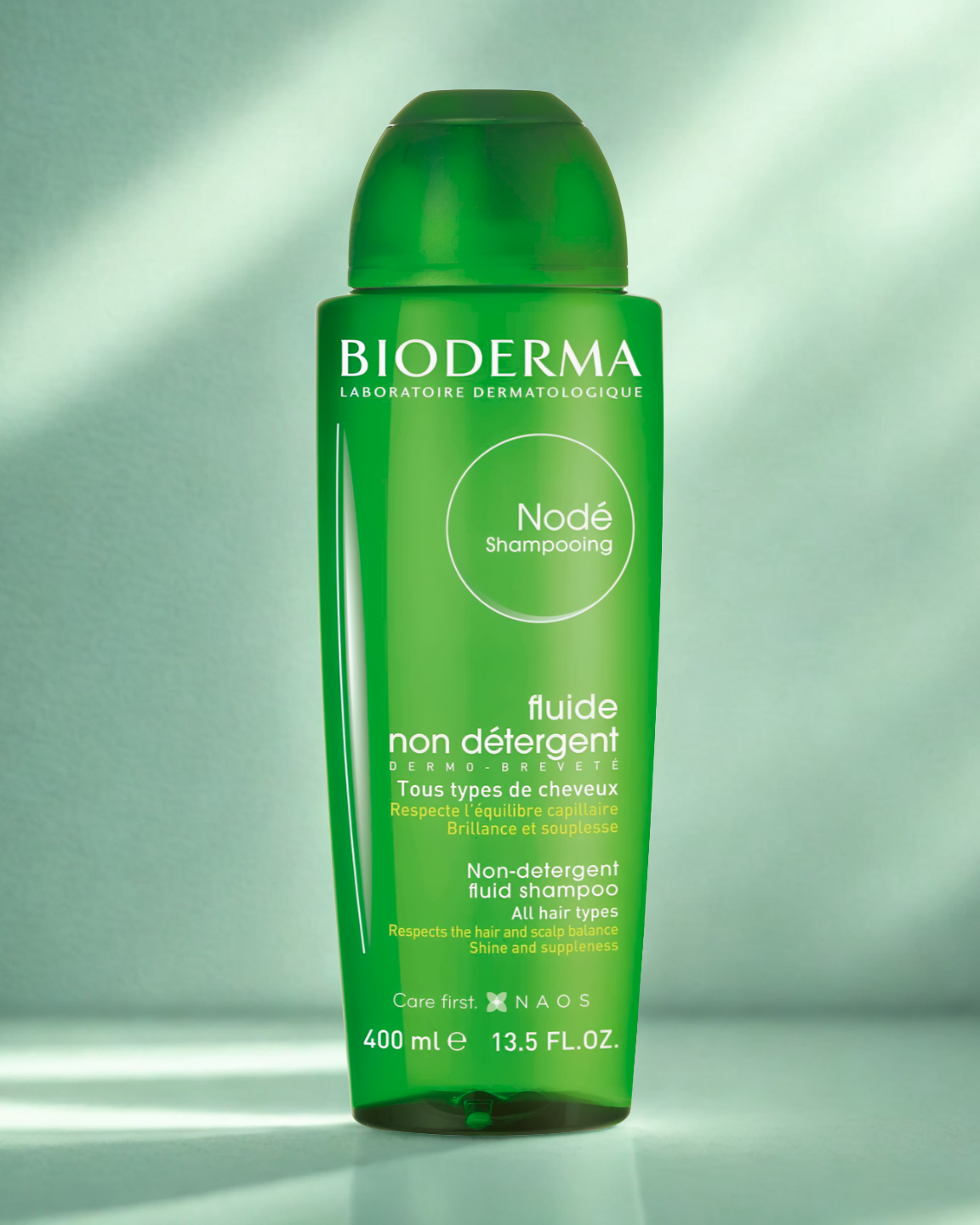
Bioderma Nodé Shampooing Fluide
A super‑gentle, non‑detergent shampoo perfect for sensitive scalps. Its mild formula maintains natural oils and minimizes irritation, which is especially valuable for those experiencing scalp tenderness or inflammation.
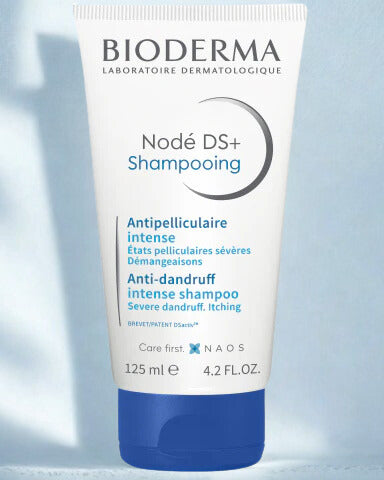
Bioderma Nodé DS+ Anti Dandruff Shampoo
Though primarily designed for flaking, this shampoo helps regulate scalp lipids and soothe mild irritation. It can be useful for LPP patients needing a comfortable cleanse without harsh chemicals.
Note: These products are supportive scalp care and not replacements for prescription therapy. Always discuss product use with your dermatologist.
Lifestyle Strategies That Complement Treatment
Living with LPP involves more than medication. Gentle lifestyle habits can reduce scalp irritation and support comfort:
-
Avoid harsh styling: Tight hairstyles, abrasive brushes, and strong chemical treatments can aggravate inflammation.
-
Gentle washing: Use lukewarm water and avoid over‑scrubbing.
-
Sun protection: While hair may offer natural protection, exposed areas benefit from hats or sunscreen.
-
Stress management: Chronic stress can influence autoimmune flares, so practices like mindfulness, good sleep, and balanced diet support overall well‑being.
Frequently Asked Questions (FAQ)
Q: Can Lichen Planopilaris be cured?
A: No — LPP currently has no cure, but early treatment can slow progression and help preserve remaining hair.
Q: Is hair loss permanent with LPP?
A: Once follicle destruction and scarring occur, hair can’t regrow in those areas. However, treatment may protect unaffected follicles.
Q: How is LPP different from dandruff or seborrheic dermatitis?
A: LPP involves autoimmune inflammation and scarring alopecia, while dandruff and seborrheic dermatitis are primarily superficial flaking conditions without lasting follicle destruction.
Q: Do gentle shampoos help?
A: Yes — they support scalp comfort and minimize irritation between medical treatments but are not substitutes for prescription therapy.
Q: When should I see a dermatologist?
A: See a specialist if you notice persistent patchy hair loss, scalp redness, itching, or burning — especially if over‑the‑counter remedies haven’t worked.
Final Thoughts
Lichen Planopilaris is a challenging condition — emotionally and physically — because it involves permanent follicle damage and requires ongoing management. Early diagnosis, tailored medical therapy, and supportive scalp care routines can help manage symptoms and preserve what hair remains.
By combining evidence‑based treatments with gentle, dermatologist‑approved products from The Watermelon, you can create a comfort‑focused scalp care routine that supports your treatment journey.
Always partner with a trusted dermatologist to monitor progress, adjust therapies, and address both the physical and emotional aspects of living with this condition. With the right approach, you can slow progression, soothe irritation, and protect your scalp’s health.
0 تعليقات