

What Is Monilethrix?
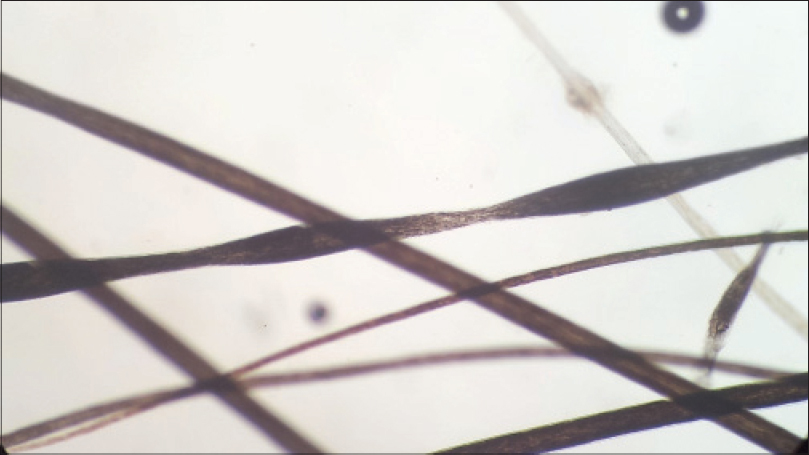
Monilethrix is a rare inherited hair shaft disorder characterized by hair that looks beaded or necklace-like under microscopic examination. The name itself comes from Latin — “monile” meaning necklace and “thrix” meaning hair. These bead-like nodes represent weak points along the hair shaft, which easily break, leading to short, fragile hair and difficulty growing length.
Although monilethrix is uncommon, it often causes significant emotional distress because hair appears sparse, brittle, and uneven despite normal hair growth cycles. Many individuals with monilethrix notice symptoms early in life, often in infancy or childhood, though milder forms may go unnoticed until later years.
What Causes Monilethrix?
Monilethrix is primarily a genetic condition, most commonly inherited in an autosomal dominant pattern, although recessive forms also exist. It results from mutations in hair keratin genes, particularly those responsible for forming the hair cortex — the structure that gives hair strength and elasticity.
These mutations cause alternating thick and thin segments along the hair shaft. The thin areas are extremely fragile, making the hair prone to breakage even with minimal friction, brushing, or styling.
Unlike hair loss conditions driven by hormones or inflammation, monilethrix is a structural defect of the hair shaft, meaning the scalp and follicles are often healthy, but the hair fiber itself is weak.
How Monilethrix Affects Hair Appearance
Hair affected by monilethrix rarely grows long. Instead, it tends to:
- Break close to the scalp
- Feel rough or dry to the touch
- Appear uneven in length
- Look sparse or thin in certain areas
The scalp hair is most commonly affected, particularly at the back of the head and nape of the neck. In some cases, eyebrows, eyelashes, or body hair may also be involved.
Because the follicles themselves are not destroyed, monilethrix does not cause scarring hair loss, but repeated breakage can give the appearance of thinning or patchy density.
Associated Scalp and Skin Findings
While monilethrix primarily affects the hair shaft, some individuals may experience:
-
Follicular keratosis (tiny bumps around hair follicles)
-
Dry or sensitive scalp
-
Increased scalp irritation due to frequent breakage and friction
These additional factors make gentle scalp care extremely important, even though scalp inflammation is not the root cause of the condition.
Is Monilethrix the Same as Hair Loss?
This is a common misconception.
Monilethrix is not true alopecia. Hair follicles are present and active, but the hair fiber breaks before it can gain length. This distinction matters because treatments aimed at stimulating hair growth (like minoxidil) are often ineffective unless breakage is addressed first.
The primary goal in monilethrix management is hair preservation, protection, and minimizing trauma, rather than forcing growth.
Can Monilethrix Be Cured?
Currently, there is no cure for monilethrix. Because it is genetically determined, treatment focuses on managing symptoms, improving hair appearance, and preventing unnecessary damage.
Interestingly, some individuals experience partial improvement after puberty, pregnancy, or hormonal changes, suggesting that environmental and physiological factors can influence severity.
Why Hair Care Matters So Much in Monilethrix
Because hair shafts are inherently fragile, everyday habits can either protect or worsen the condition. Harsh shampoos, aggressive brushing, heat styling, and chemical treatments dramatically increase breakage.
That’s why dermatologists emphasize gentle, scalp-friendly, non-stripping hair care routines for people with monilethrix.
This is where dermatologist-approved skincare brands such as Bioderma and Esthederm play a valuable supportive role.
Supportive Hair & Scalp Care: Bioderma and Esthederm
While shampoos cannot change hair genetics, the right cleansing routine can reduce breakage, scalp irritation, and dryness — all of which help hair look healthier and feel stronger.
Available at The Watermelon, these products are particularly well-suited for fragile hair conditions:
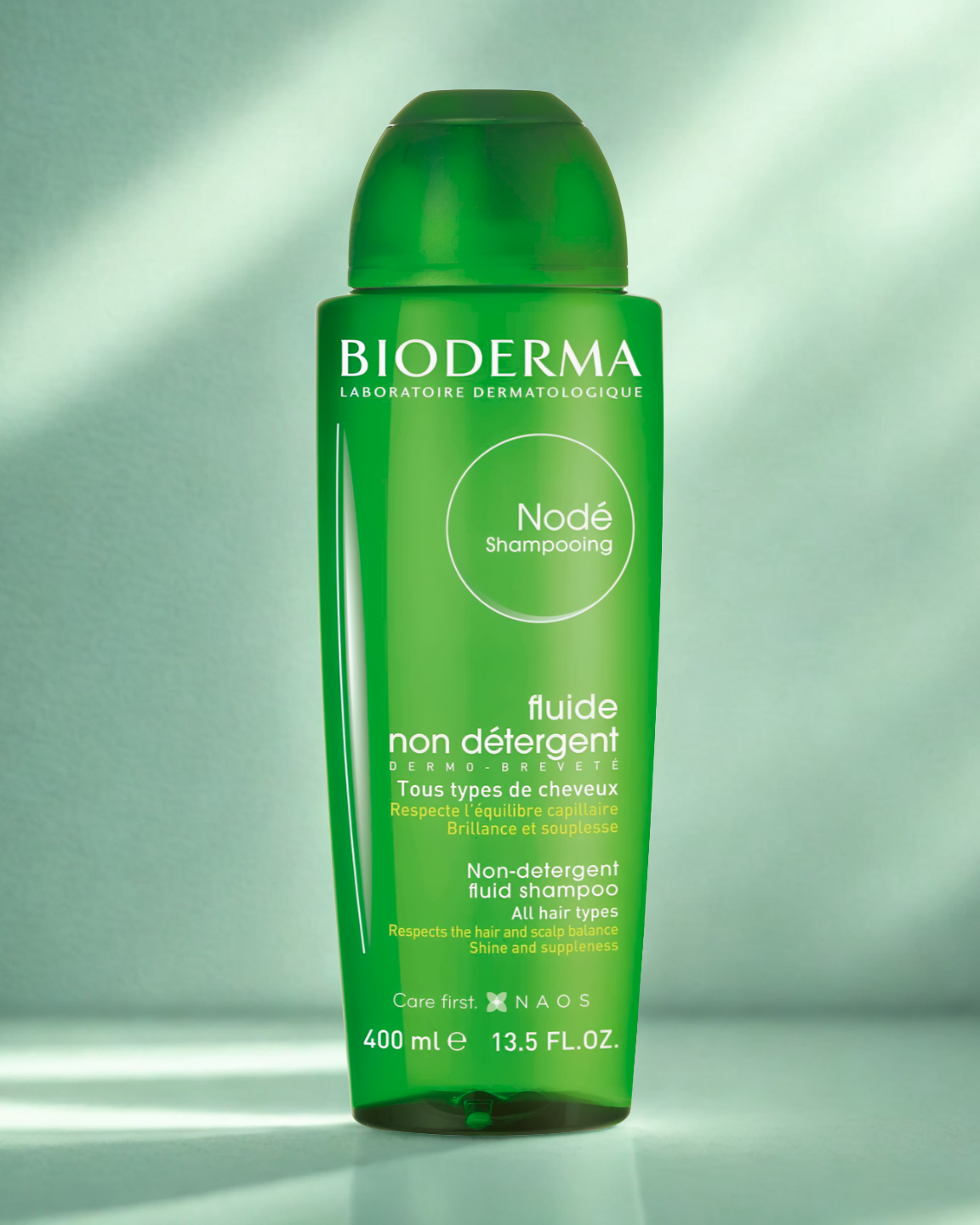
Bioderma Nodé Shampooing Fluide
This non-detergent shampoo is ideal for monilethrix because it:
-
Cleanses without stripping natural oils
-
Preserves scalp barrier function
-
Reduces friction during washing
Its ultra-gentle formulation makes it suitable for frequent use without worsening hair fragility.
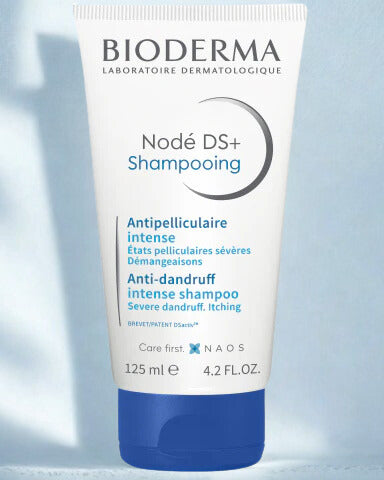
Bioderma Nodé DS+ Anti Dandruff Shampoo / Scalp Shampoo (If Scalp Flaking Exists)
Some individuals with monilethrix also experience scalp flaking or irritation. Nodé DS+ Shampooing helps rebalance the scalp environment without harsh cleansing agents that can worsen hair breakage.
Important note: These products support hair and scalp health, but they do not cure monilethrix. They work best as part of a damage-minimizing routine.
Daily Hair Care Tips for Monilethrix
Living with monilethrix means rethinking everyday hair habits. Small changes can dramatically reduce breakage over time.
Hair should be washed gently, avoiding aggressive scrubbing. Conditioner should be applied carefully to reduce friction between strands. Detangling should always be done on damp hair using wide-tooth combs, starting from the ends and working upward.
Heat styling tools — blow dryers, straighteners, curling irons — should be minimized or avoided entirely. Heat weakens the already thin segments of the hair shaft, accelerating breakage.
Tight hairstyles, elastics, and traction should also be avoided. Protective, loose styles are far safer for fragile hair.
Psychological Impact of Monilethrix
Although monilethrix is medically benign, its emotional impact should not be underestimated. Hair plays a major role in self-image, especially for women and children. Chronic breakage and inability to grow hair can affect confidence and quality of life.
Education, realistic expectations, and supportive care play an important role in emotional well-being. Knowing that the condition is not progressive or dangerous often provides reassurance.
When to See a Dermatologist
Anyone suspected of having monilethrix should consult a dermatologist for Microscopic hair shaft examination, Accurate diagnosis, Differentiation from other hair shaft disorders, Guidance on safe hair care routines. In some cases, genetic counseling may also be recommended, particularly for families planning children.
Long-Term Outlook
Monilethrix is a lifelong condition, but its severity can fluctuate. With consistent gentle care, many individuals experience:
-
Reduced breakage
-
Improved hair appearance
-
Better scalp comfort
The goal is preservation, not perfection — protecting hair fibers so they reach their maximum possible length and density.
Frequently Asked Questions (FAQ)
Q: Is monilethrix contagious?
No. Monilethrix is a genetic hair shaft disorder and cannot be transmitted through contact.
Q: Does monilethrix cause permanent hair loss?
No. Hair follicles remain intact, and the condition does not cause scarring. Hair appears short due to breakage, not follicle destruction.
Q: Can supplements cure monilethrix?
There is no strong evidence that supplements cure monilethrix, though good nutrition supports overall hair health.
Q: Can children have monilethrix?
Yes. Symptoms often appear in infancy or early childhood.
Q: Are gentle shampoos really necessary?
Absolutely. Reducing friction, dryness, and scalp irritation is essential to minimizing hair shaft breakage.
Final Thoughts
Monilethrix may be rare, but for those living with it, the impact on hair health and confidence can be significant. While there is no cure, understanding the condition and adopting gentle, dermatologist-approved hair care routines can make a meaningful difference.
By offering supportive scalp-friendly products help bridge the gap between medical knowledge and everyday hair care — empowering individuals to care for fragile hair with confidence and compassion.
0 تعليقات