

Psoriasis is a long-term, immune-driven skin condition that creates thick, itchy, scaly patches on the skin. These patches, known as plaques, commonly appear on the elbows, knees, scalp, back, and sometimes the nails.
It affects millions worldwide, and while the condition tends to flare and calm in cycles, a good skincare routine combined with medical treatment can help most people live comfortably with fewer flare-ups.
What Psoriasis Really Is (Simple Explanation)
In psoriasis, the immune system speeds up the skin’s renewal cycle dramatically. Instead of taking nearly a month for the skin to regenerate, it happens in just 3–5 days. This rapid turnover leads to buildup, dryness, red patches, scaling, and itching or burning sensations.
Psoriasis naturally goes through phases. You may experience periods of calm, then a flare triggered by stress, an infection, weather changes or skin injury. Proper care helps lengthen those calm phases and keeps the skin more predictable.
For a clear medical explanation, the NHS provides an excellent breakdown:
Early Signs of Psoriasis – How to Recognize It Quickly
Psoriasis often starts subtly. You may notice small red bumps that become thicker over time, eventually forming scaly patches. These scales may appear silvery or white on top of raised areas. Persistent itching, burning or even cracked, painful skin can develop if the area is dry.
Scalp psoriasis is also common and can look like stubborn dandruff that refuses to improve with regular anti-dandruff shampoos. Nail changes — such as pitting, discoloration, or separation — can appear early as well.
And if skin symptoms come with joint stiffness or pain, it’s important to mention it to a doctor because this can indicate psoriatic arthritis, which needs early treatment.
Types & Stages of Psoriasis
Psoriasis comes in several forms, and understanding them helps you manage expectations. Plaque psoriasis is the most common type and presents as thick, red plaques with a silvery scale. Guttate psoriasis shows up as small, drop-shaped spots often triggered by infections. Scalp psoriasis concentrates around the hairline or behind the ears, while inverse psoriasis shows up in skin folds with smooth, shiny patches. Palmoplantar psoriasis affects the hands and feet and can be particularly uncomfortable.
Dermatologists also think of psoriasis in stages. In the early stage, small patches appear alongside itching and increasing scaling. The flare stage can bring thicker plaques that may spread or crack. During the maintenance stage, treatments reduce scaling and inflammation, and finally, remission brings little to no symptoms until another flare triggers activity again.
How Psoriasis Is Diagnosed
Doctors usually diagnose psoriasis simply by examining the skin. The plaques and scales often have a very recognizable pattern. In some cases, a dermatologist may take a tiny skin biopsy to confirm the diagnosis, especially if the presentation is unusual. If joint pain is present, blood tests or imaging may be recommended to assess for psoriatic arthritis.
Most of the time, the diagnosis is straightforward and doesn’t require advanced testing.
Best Treatments for Psoriasis (Based on Medical Evidence)
The first line of treatment usually involves topical medications such as corticosteroids, vitamin D analogues like calcipotriol, topical retinoids, or calcineurin inhibitors for sensitive areas. These reduce inflammation, slow skin turnover, and soothe symptoms.
For more widespread psoriasis or cases that don’t respond to topicals, phototherapy — controlled UVB treatment — can be very effective. This must be done under medical supervision.
Moderate to severe psoriasis may require systemic medications or biologic treatments. These include methotrexate, ciclosporin, and targeted biologic agents that block specific inflammatory pathways (like TNF, IL-17 or IL-23). These advanced therapies significantly reduce symptoms but must be prescribed and monitored by a specialist.
For a strong clinical overview, see the American Academy of Dermatology.
Skincare That Helps Psoriasis
Skincare doesn’t replace medical treatment, but it plays a massive role in soothing symptoms, strengthening the skin barrier, and preventing flare-ups from worsening.
Why Bioderma Works Well for Psoriasis-Prone Skin

The Atoderm Range is designed for extremely dry, irritated and sensitive skin — all of which are common in psoriasis.
Two standout products offer consistent relief:
Bioderma Atoderm Intensive Balm is a deeply nourishing moisturizer that strengthens the skin barrier, reduces scaling, and helps calm itchiness. It’s rich, soothing and ideal for everyday use.
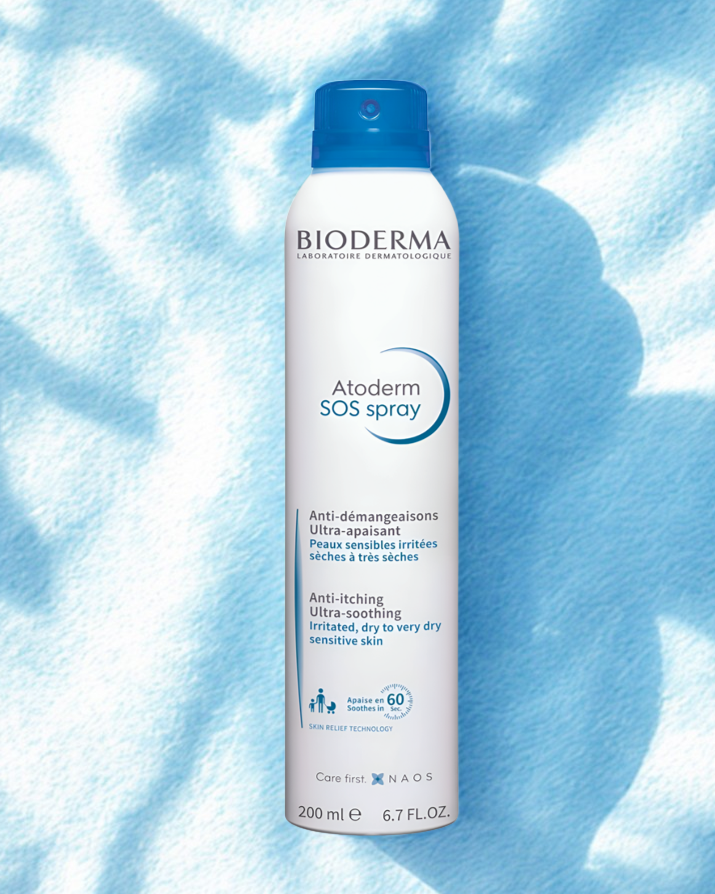
Bioderma Atoderm SOS Spray provides fast itch relief, especially during flare-ups. It’s lightweight, gentle, and a useful product to have on hand when symptoms spike.
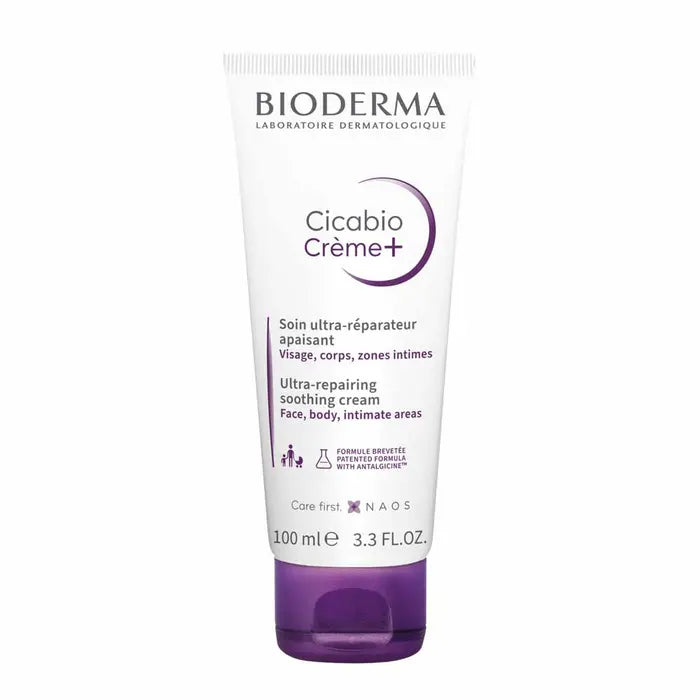
Cicabio Crème+ is built to calm irritation, help dry or damaged skin recover, and strengthen the skin barrier — which can be helpful for skin affected by psoriasis, especially during flare-ups or dryness phases.
These products won’t treat psoriasis medically, but they make the skin much more comfortable, allowing prescription treatments to work better.
Daily Dos & Don’ts for Psoriasis
DO:
- Use gentle, fragrance-free cleansers
- Apply a rich emollient twice daily
- Moisturize within 3 minutes after bathing (“the golden minute rule”)
- Keep showers warm, never hot
- Trim nails short to avoid accidental scratching
- Manage common triggers like stress, smoking and infections
- Follow your treatment plan consistently
DON’T:
- Don’t pick or peel scales
- Don’t use harsh scrubs or physical exfoliants
- Avoid strongly fragranced skincare
- Don’t skip moisturizing — dryness worsens flares
- Avoid tanning beds (unsafe UV exposure)
- Don’t stop prescribed medications abruptly
When to See a Doctor Immediately
Seek urgent medical care if plaques begin spreading rapidly, or if you experience fever along with a rash. Painful, very red or swollen plaques could indicate infection, especially if there is heat or oozing.
Joint swelling, stiffness or persistent morning pain also requires attention, as this can indicate psoriatic arthritis. Early treatment helps prevent long-term damage.
Fast Self-Care Checklist
A simple, effective daily routine includes gentle cleansing, applying a thick emollient twice daily, avoiding scratching, lowering stress levels, and protecting your skin from injury. Staying hydrated and sleeping well can also help reduce flare frequency.
Final Thoughts
Psoriasis may be chronic, but it doesn’t have to control your life. With the right combination of medical treatment, smart skincare choices and consistent daily habits, many people enjoy long, comfortable remission phases. The real secret is consistency — moisturize regularly, treat flare-ups early, and keep your skin barrier strong.
0 تعليقات