

Scabies, caused by the microscopic mite Sarcoptes scabiei, is a highly contagious skin condition that can affect anyone, regardless of age or skin type. The mites burrow under the skin and lay eggs, triggering intense allergic reactions. This results in persistent itching, redness, and small bumps — issues that can worsen in the UAE’s humid climate, where sweating often aggravates sensitive skin.
Transmission occurs easily through direct skin-to-skin contact or shared items such as towels, bedding, and clothing. Families, schools, and workplaces can experience outbreaks if precautions are not taken, making early detection critical.
Recognizing Scabies Symptoms
Identifying scabies early can prevent further spread. Common signs include:
-
Intense itching, especially at night
-
Tiny red bumps or blisters
-
Thin, wavy burrow lines under the skin
Typically, scabies appears in areas such as between fingers, wrists, elbows, armpits, waist, groin, and buttocks. Because these symptoms can mimic eczema or dermatitis, dermatologists in the UAE emphasize the importance of consulting a professional for accurate diagnosis.
Medical Treatment: Eliminating the Mites
Prescription scabicides — creams, lotions, or oral medications — are the only effective way to eradicate scabies. Home remedies or over-the-counter creams cannot kill the mites or their eggs.
Effective treatment steps include:
-
Applying medicated creams as prescribed, covering all affected areas.
-
Repeating treatment after a week to eliminate newly hatched mites.
-
Washing clothing, bedding, and towels in hot water, and drying on high heat.
-
Treating all close contacts simultaneously to prevent reinfestation.
Even after the mites are eliminated, itching may persist for 2–4 weeks. During this time, proper skincare is crucial for calming irritation and restoring the skin barrier.
The Treatment: What Actually Works
Let’s get one thing clear: scabies cannot be cured with home remedies. Tea tree oil, neem, and coconut oil might feel nice, but they won’t kill the mites.
You need proper medical treatment, and the two most common ones are:
1. Permethrin 5% Cream
This is the first-line treatment almost everywhere. It’s safe, effective, and easy to apply — though you must use it correctly.
- It needs to go from neck to toes, covering every corner: under nails, between toes, belly button, buttocks crease — all of it.
- Leave it on for 8–14 hours.
- Repeat after 7 days, because the second round kills any newborn mites.
2. Oral Ivermectin
Doctors prescribe this when:
- The infestation is severe
- Permethrin cannot be used
- Multiple family members are infected
- Nursing homes or crowded settings are involved
Often, doctors prescribe both permethrin and ivermectin together when they want to hit the mites hard.
Why It Still Itches After Treatment (You're Not Reinfested)
Here’s the part nobody warns you about:
Even after the mites are dead, the itching can continue for 2–4 weeks.
Your body is reacting to leftover mite proteins and waste. Basically, your immune system is throwing a tantrum because it still senses “invaders,” even though they’re gone.
This is called post-scabetic itch, and it is very normal.
So don’t panic if you still feel itchy — it doesn’t automatically mean the treatment failed.
What helps:
- Hydrating, fragrance-free moisturizers
- Mild steroid creams (as recommended by your doctor)
- Antihistamines at night
- Avoiding hot showers
Preventing Reinfestation: The Hygiene Steps That Actually Matter
Treatment alone isn’t enough — you’ve got to break the scabies life cycle around your home too. This is where hygiene becomes your secret weapon.
Daily Hygiene Habits to Stop the Cycle
-
Wash clothing, bedding, and towels in hot water and dry them on high heat.
-
Items that can’t be washed? Seal them in a plastic bag for 72 hours — mites can’t live without skin for long.
-
Avoid sharing clothes, bedding, or personal items until treatment is complete.
-
Keep fingernails short and clean to prevent infection from scratching.
-
Vacuum mattresses, carpets, sofas, and car seats.
-
Take daily showers using gentle cleansers (avoid harsh soaps).
-
Moisturize generously with fragrance-free, soothing creams to prevent dryness and irritation.
These small habits break the chain of reinfection so treatment can do its job without interruption.
Common Mistakes People Make (And How to Avoid Them)
Scabies is manageable, but only if you don’t fall into these very common traps:
1. Treating Only Yourself
Everyone with close contact must be treated at the same time. Otherwise, you’ll keep passing it back and forth like a viral TikTok trend — except way less fun.
2. Not Using Enough Cream
You must use a generous amount. People often underapply and leave areas untreated.
3. Washing Off Too Early
Permethrin needs time. If you wash it off after 4 hours, it’s game over.
4. Skipping the Second Dose
One treatment is not enough. Ever.
5. Ignoring the House Cleanup
Even if mites don’t survive long off the body, they survive long enough to re-transfer.
When to See a Dermatologist
Life After Scabies: What to Expect
The good news? Once you’ve treated it properly and cleaned your environment, scabies does go away — permanently. Most people return to normal life within a few weeks.
But emotional recovery is real too. Many people feel anxious, paranoid, or embarrassed after dealing with it. That’s normal. Scabies can feel invasive, but it doesn’t define you — and it’s way more common than people think.
Be gentle with yourself, and give your skin the time it needs to heal.
Gentle Skincare During and After Scabies
Post-treatment, skin often becomes sensitive, dry, and inflamed, especially in hot, humid environments like Dubai and Abu Dhabi. Using gentle, dermatologist-recommended skincare helps restore the skin barrier and reduce discomfort.
Some excellent options available at the Watermelon include:
-
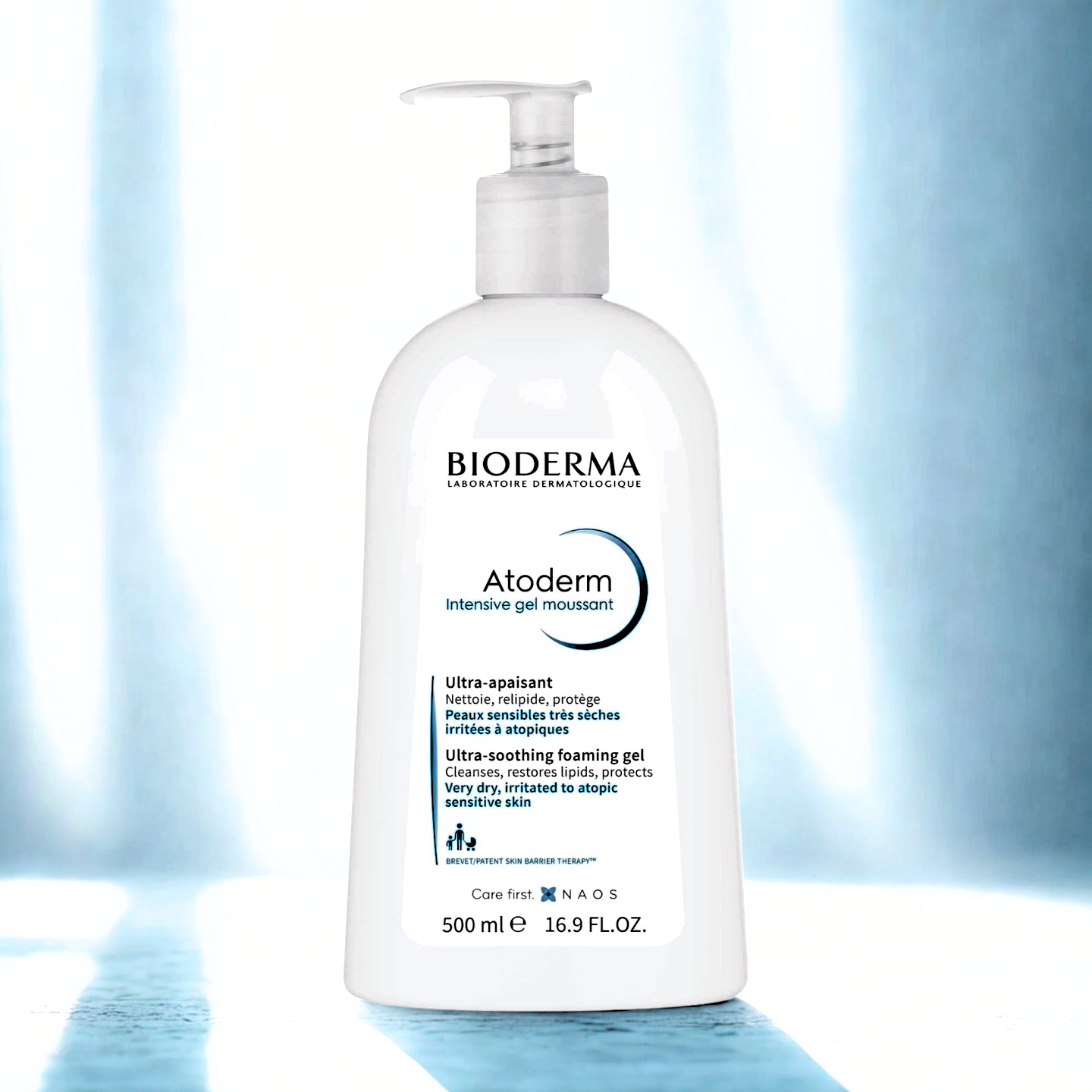
Bioderma Atoderm Intensive Gel Moussant – A soap-free cleansing gel that removes impurities without stripping moisture.
________________________________________________________________________________________________
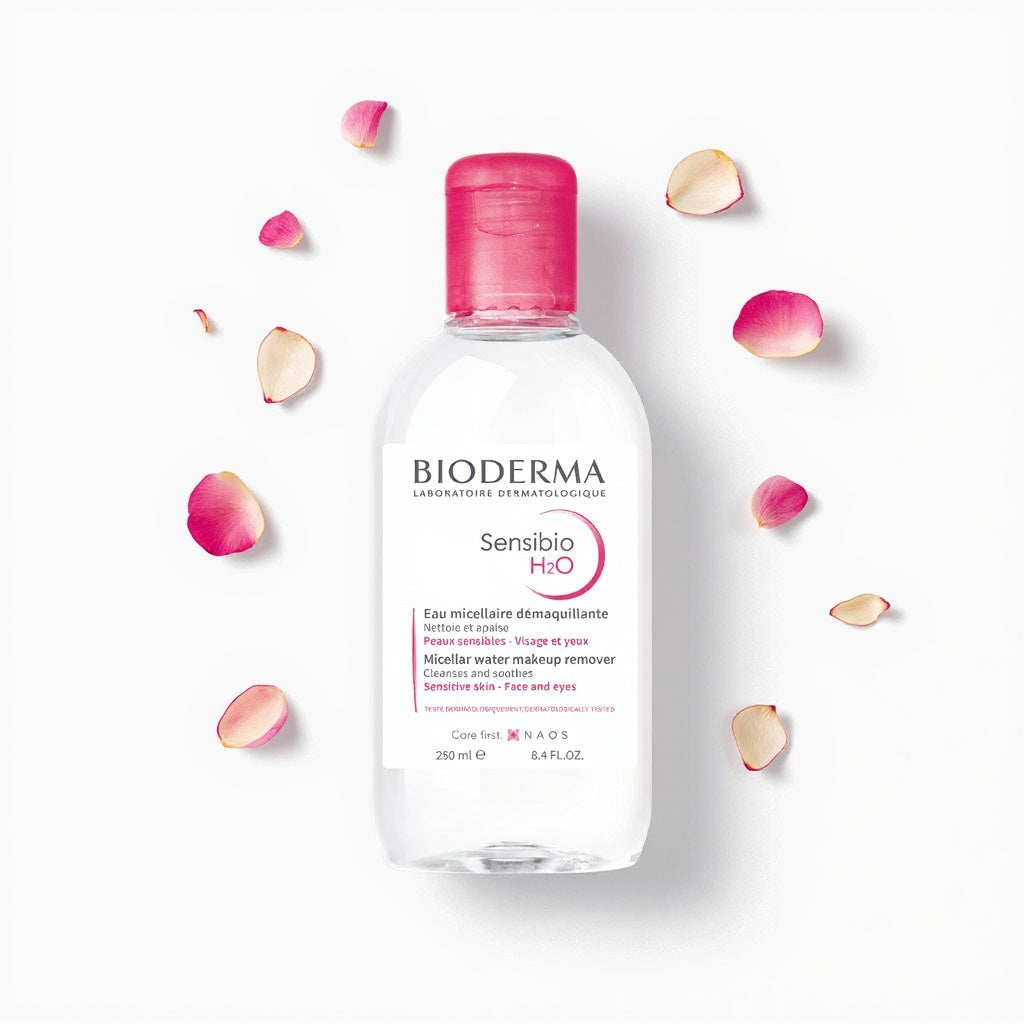
- Bioderma Sensibio H2O Micelle Solution– A gentle no-rinse cleanser for inflamed or sensitive skin.
These products not only calm itching and irritation but also protect your skin in hot and humid weather, which can otherwise trigger flare-ups. Avoid harsh soaps, chemical actives, or scrubs until your skin fully heals.
________________________________________________________________________________________________
Skin Care While Recovering (Don’t Skip This!)
Hygiene and Lifestyle Considerations
What Skincare Cannot Do
While Bioderma and Esthederm products support recovery, they cannot eliminate scabies mites or eggs. Prescription treatment is essential — skincare simply soothes, restores, and protects while your medical treatment works.
Quick Summary
Final Thoughts
Scabies can be uncomfortable and stressful, but with proper treatment, gentle skincare, and good hygiene, recovery is manageable. Incorporating dermatologist-recommended products from Bioderma or Esthederm, available at the Watermelon ensures your skin heals effectively without added irritation, even in the UAE’s hot and humid climate.
Educating yourself and your family about scabies symptoms, treatment, and aftercare is crucial to prevent reinfestation and promote healthy skin. For more information, consult trusted resources:
0 تعليقات