

Scalp ringworm might sound like something out of a horror movie, but it’s neither caused by worms nor extraordinarily rare. Instead, it’s a fungal infection of the skin and hair follicles that can lead to itchy, red, scaly patches and patchy hair loss. The medical name for this condition is tinea capitis, and it’s most common in children — but adults can get it too.
Unlike typical “dandruff” or dry skin, scalp ringworm is contagious and requires antifungal medication for effective treatment. Early and accurate diagnosis is key to preventing scarring, permanent hair loss, and spread to others.

What Causes Scalp Ringworm?
Despite its name, ringworm isn’t caused by worms — it’s caused by dermatophyte fungi that infect the scalp and hair. These fungi thrive in warm, moist environments and can spread easily through close contact with infected people, animals, or contaminated objects like combs, hats, towels, and bedding.
Common species causing scalp ringworm include Trichophyton and Microsporum fungi, which invade the outer layer of skin and hair shafts, leading to the characteristic patches of breakage and scaling seen in this condition.
Transmission occurs in several ways:
-
Direct contact with an infected person’s scalp.
-
Indirect contact through shared items like brushes, hats, towels, or bedding.
-
Animal exposure, especially from infected pets such as cats and dogs.
-
Environmental contact — spores can survive on surfaces or soil and be transmitted that way. Healthline
Because the fungi are contagious even before symptoms appear, it’s particularly common in children who share close physical contact at school or daycare.
Recognizing the Symptoms of Tinea Capitis
The symptoms of scalp ringworm can vary depending on the fungal strain and severity of the infection, but commonly include:
- Red, scaly patches on the scalp that may grow in size.
- Hair breakage or brittle hair — hair breaks off near the scalp, leaving visible short stubs or “black dots.”
- Itching and irritation, which can become significant if the infection spreads.
- Bald or thinning areas where hair has broken or fallen out.
- Inflammation or tenderness at affected sites.
- In more severe cases, kerion may form — a painful, swollen, pus‑filled lesion caused by a strong immune reaction to the fungus.
Since tinea capitis can look similar to other scalp conditions (like seborrheic dermatitis or psoriasis), medical evaluation is often needed for accurate diagnosis. A doctor may examine the scalp visually, take hair or skin scrapings for microscopic analysis, or even use a Wood’s lamp to help differentiate the infection.
Medical Treatment: How Scalp Ringworm Is Managed
The primary treatment for scalp ringworm is systemic antifungal medication — that is, medication taken by mouth rather than just topical creams or shampoos. Topical treatments alone generally aren’t sufficient because the fungi penetrate deep into hair follicles and are hard to eradicate from the surface alone.
Oral Antifungal Medications
These are the foundation of ringworm treatment and usually must be taken for several weeks to ensure the infection is fully cleared:
-
Griseofulvin — A long‑established antifungal that works well for many types of tinea capitis with a typical course of 6–8 weeks.
-
Terbinafine (Lamisil) — Often prescribed when griseofulvin isn’t tolerated or effective, with a similar timeline but slightly different mechanism.
-
In some cases, alternatives like fluconazole or itraconazole may be used.
These medications work internally to block fungal growth and eventually clear the infection. Because the hair and scalp are constantly renewing, it can take time — often 4–8 weeks or more — before visible improvement and hair regrowth occur.
Medicated Shampoos
While oral medication treats the underlying infection, medicated shampoos are often prescribed as an adjunct to help reduce fungal spores on the scalp and prevent transmission. Ingredients like ketoconazole or selenium sulfide are common in these shampoos.
Doctors may recommend using a medicated shampoo 2–3 times per week during the active phase of treatment and possibly beyond to help minimize spread to family members or reinfection.
Why Professional Treatment Is Essential
Unlike many superficial skin conditions, scalp ringworm is contagious and persistent. Over‑the‑counter antifungal creams or dandruff shampoos alone won’t clear it up, and incomplete treatment can lead to complications like kerion, scarring, or permanent hair loss.
Prompt medical evaluation ensures:
-
Accurate diagnosis (often confirmed by microscopy or culture).
-
Proper antifungal therapy duration and dosage.
-
Guidance on preventing spread and reinfection among family or close contacts.
Without professional treatment, symptoms can persist or worsen, and the infection may spread to others or to other body sites.
Supportive Scalp Care — Products from The Watermelon
While prescription antifungal medication is mandatory to eradicate the infection, maintaining a clean, balanced scalp environment can help support overall scalp health and comfort. The right cleansers and gentle scalp care products can reduce irritation and support hygiene during and after treatment.
Here are some dermatologist‑friendly options you may consider stocking or recommending, available at The Watermelon:
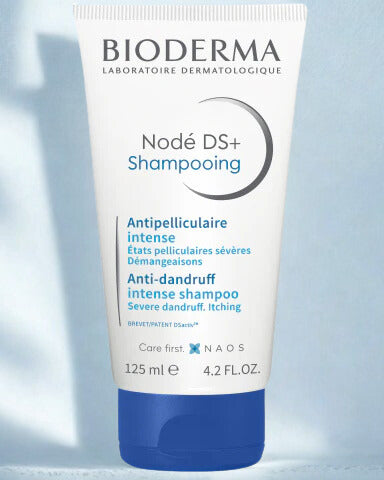
Bioderma Nodé DS+ Anti Dandruff Shampoo
A gentle but effective shampoo that supports scalp health by reducing flaking and regulating scalp lipids. While it isn’t a replacement for medicated antifungal shampoos, it can be used alongside treatment to keep scalp hygiene optimal and soothe irritation.
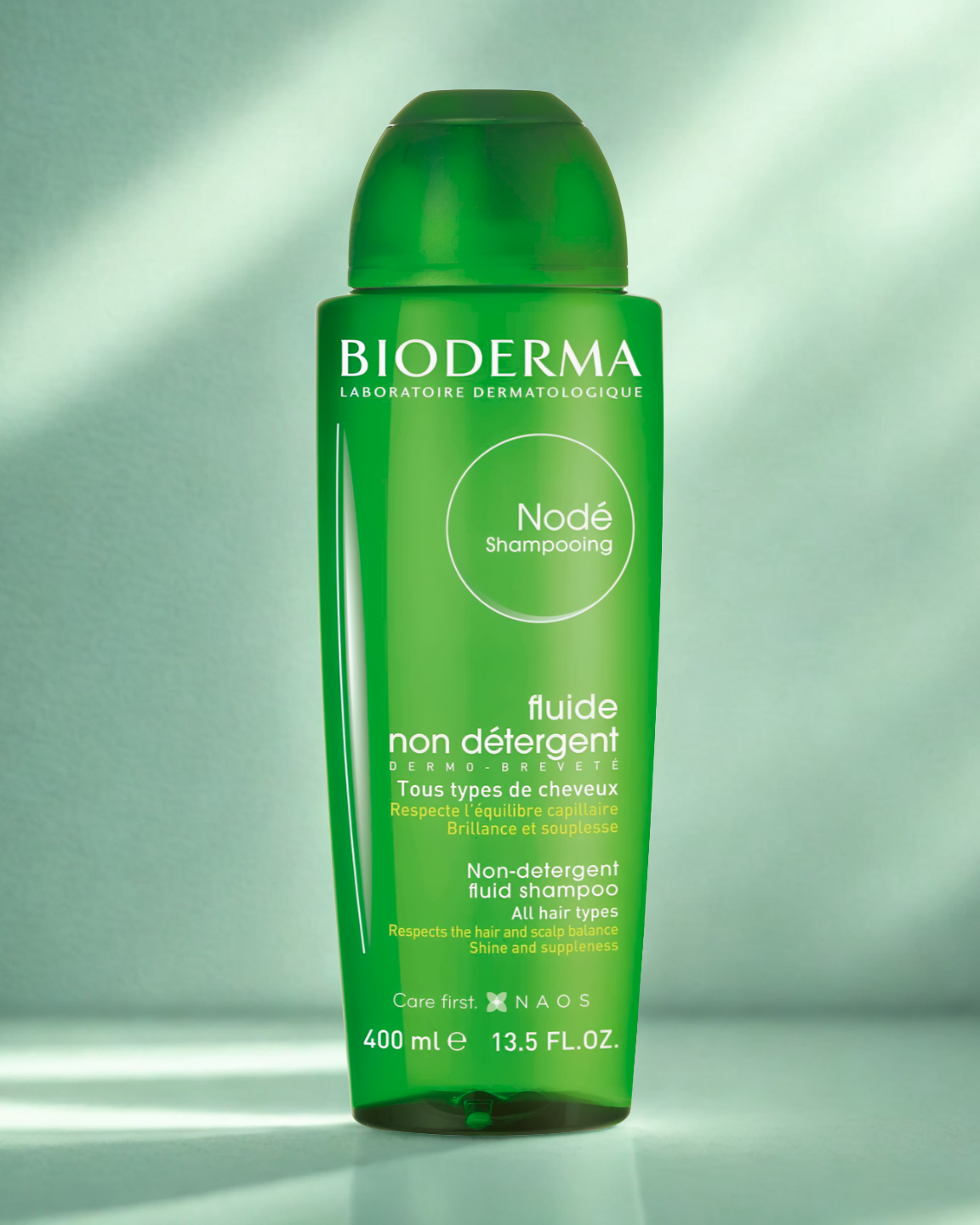
Bioderma Nodé Shampooing Fluide
A non‑detergent, very gentle shampoo that helps maintain scalp balance without stripping natural oils. Ideal for washing between medicated shampoo days or during the recovery phase.
Note: These shampoos support scalp comfort and hygiene, but scalp ringworm must still be treated with oral antifungals under medical supervision.
How to Manage Scalp Hygiene During Treatment
Supporting your scalp during medical treatment can make the process more comfortable and potentially reduce spread:
Wash bedding, towels, and hats regularly in hot water to kill fungal spores.
Avoid sharing combs, brushes, hats, or pillows with others.
Clean hair tools (combs, clips) frequently during the treatment course.
For children, encourage personal hygiene and avoid close head‑to‑head contact in group settings. (MSD Manuals)
Long‑Term Outlook and Prevention
While tinea capitis can be stubborn, most cases respond well to complete courses of prescribed antifungal medication. Once the infection clears, hair typically regrows over several months, although it can take time for full restoration.
Since the fungi are contagious, try to reduce risks by:
Practicing good personal hygiene.
Avoiding shared hair tools and towels.
Treating infected family members or pets promptly.
Keeping the scalp clean and dry.
Regular scalp care routines with gentle, dermatologist‑friendly shampoos can help maintain a healthy environment and reduce the chance of other scalp problems. (Mayo Clinic)
Frequently Asked Questions (FAQ)
Q: Can scalp ringworm spread to others?
Yes — tinea capitis is highly contagious and can spread through direct contact or shared objects like towels, brushes, hats, and bedding.
Q: Is a medicated shampoo enough to cure scalp ringworm?
No — medicated shampoos help reduce surface spores and transmission, but oral antifungal medication is required to fully cure the infection.
Q: How long does treatment usually take?
Treatment typically lasts several weeks — often 6–8 weeks or more — and sometimes longer until hair regrowth is apparent.
Q: Can adults get scalp ringworm?
Yes — while it’s more common in children, adults can develop scalp ringworm, especially if immune function is weakened or there’s close contact with an infected person or animal.
Q: Will hair grow back after infection?
In most cases, yes — once the fungal infection is fully cleared, hair will usually regrow, though it can take time and occasionally leave minor temporary thinness.
Final Thoughts
Scalp ringworm (tinea capitis) may be common, but it’s not something to ignore — especially given its contagious nature and potential to cause hair breakage and discomfort. A comprehensive treatment plan involving prescription antifungal medication, combined with supportive scalp care, hygiene practices, and gentle cleansing routines, gives you the best chance for a full recovery.
Leveraging dermatologist‑approved products from Bioderma and Esthederm — like those available at The Watermelon — can support scalp comfort and hygiene during treatment and recovery, making the journey smoother and more comfortable for your customers or community.
If you ever suspect ringworm on the scalp, consult a healthcare professional right away to ensure accurate diagnosis and treatment. Early action leads to better outcomes and reduced spreading risk.
0 تعليقات