

Living in the UAE’s hot and humid climate, fungal skin infections are more common than many realize. Athlete’s foot, ringworm, and candidiasis thrive in warm, moist environments, and our modern lifestyles can make them even more prevalent.
Even if you practice good hygiene, factors such as sweaty socks, synthetic clothing, and damp skin folds create the perfect conditions for fungi to multiply. When this happens, irritation, redness, and visible infections can occur.
Imagine coming home after a long gym session, your socks damp and shoes tight — the ideal environment for fungi to flourish between your toes. Simple habits can make a big difference in preventing flare-ups.
According to Apollo Hospitals athlete’s foot (tinea pedis) and ringworm (tinea corporis) are among the most frequent fungal infections worldwide. Similarly, Dr HC Blog notes that candidiasis often affects skin folds and flares when hygiene is disrupted or skin remains moist for prolonged periods.
Common Fungal Skin Conditions
Athlete’s foot usually appears between the toes or on the soles. Symptoms include itching, redness, peeling, and sometimes cracking skin. Without treatment, it may spread to nails or other body parts.
Ringworm shows up as circular, red, scaly patches on limbs, torso, or scalp. It is highly contagious and spreads via clothing, towels, or skin contact.
Candidiasis affects skin folds, such as underarms, groin, or under breasts. Warm, damp areas encourage yeast overgrowth, causing redness, itching, and discomfort. Proper drying and barrier care are essential to prevent recurrence.
Toenails can also be affected, especially with barefoot exposure in gyms, showers, or pools. Nail fungal infections are often slow to heal and require consistent care.
Why UAE Residents Are at Higher Risk
Environmental and lifestyle factors in the UAE increase fungal infection risk. Sweaty, enclosed footwear traps moisture, creating the perfect environment for fungi. Skin folds, like underarms and groin, are naturally prone to moisture retention. Synthetic fabrics do not breathe well and keep skin warm and damp. Shared surfaces in gyms, showers, and swimming pools carry fungal spores.
Even with proper hygiene, these factors make prevention essential.
Prevention Is Key: Smart Skincare and Daily Habits
Keeping skin dry, breathable, and healthy prevents fungal growth:
-
Daily showers and thorough drying: Pay attention to toes, underarms, groin, and skin folds.
-
Wear breathable fabrics: Cotton and linen wick moisture, unlike synthetic materials.
-
Change clothes frequently: Avoid re-wearing sweaty socks, undergarments, or tight clothing.
-
Protective footwear in public areas: Flip-flops or shower shoes reduce exposure.
-
Avoid sharing personal items: Towels, shoes, and clothing can carry spores.
-
Use gentle cleansers: Non-stripping soaps maintain skin comfort.
-
Moisturize wisely: Light, non-comedogenic, or water/gel-based moisturizers hydrate without trapping moisture.
These small habits, combined with dermatologist-recommended products, strengthen your skin barrier and reduce fungal recurrence.
Skincare Solutions: Strengthening the Skin Barrier
A healthy skin barrier is your first defense against fungal infections. Gentle cleansers help maintain comfort while removing sweat and dirt. Lightweight, non-comedogenic moisturizers keep the skin hydrated without suffocating it. For sensitive or compromised skin, barrier-repair creams are especially beneficial, particularly after antifungal treatment.
Recommended Bioderma and Esthederm Products

Bioderma Cicabio Cream soothes irritation, promotes healing, and forms a protective barrier. While not antifungal, it helps restore skin post-infection and reduces recurrence risk.
Bioderma Sebium Hydra Ultra‑Moisturizing Care — Nice if skin is acne-prone or undergoing acne/fungal treatments that dry or irritate skin. It hydrates without clogging pores and keeps the skin barrier intact — helpful especially if treatment products can compromise skin balance.
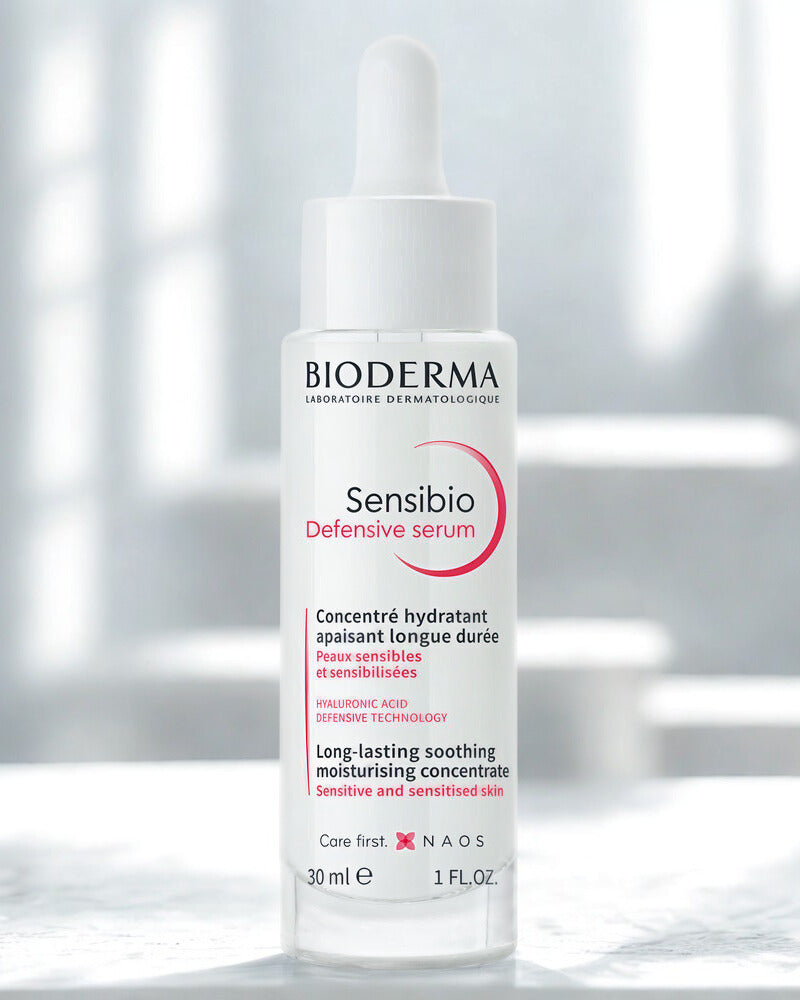
Bioderma Sensibio Defensive Serum — Great for sensitive or sensitized skin (common when you’ve had irritation, dryness or fungal susceptibility). It helps strengthen the skin’s natural tolerance barrier, reduces redness and dehydration, and adds subtle hydration without heaviness.
________________________________________________________________________________________________
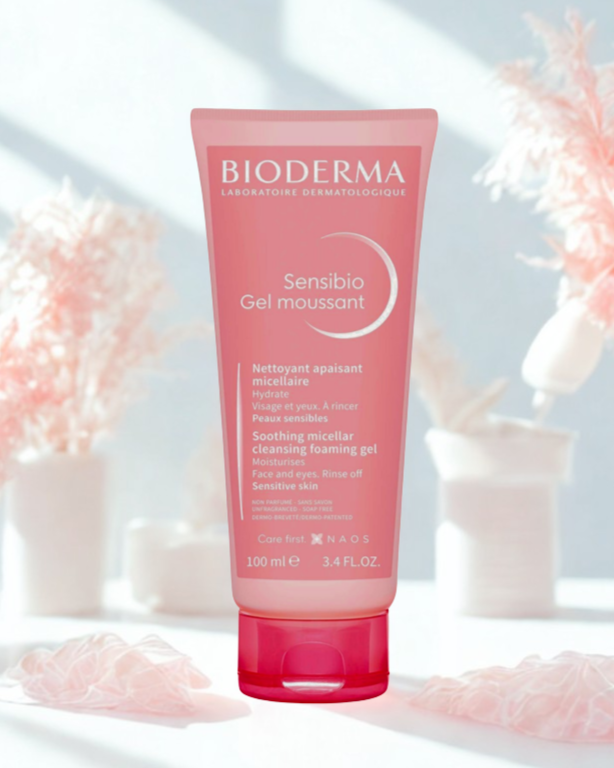
Bioderma Sensibio Gel Moussant is a gentle cleanser that removes impurities without stripping the skin. It’s perfect for humid climates and sensitive skin.
A Holistic Approach to Prevention and Care
Combining smart hygiene, breathable clothing, gentle cleansing, and barrier-supporting skincare prevents fungal infections naturally. These steps reduce recurrence, keep skin comfortable, and support long-term skin health even in humid climates.
When to Seek Professional Help
Consult a dermatologist if redness, swelling, or irritation persists, itching becomes severe, infections recur, or if the infection spreads to nails or scalp. Professionals can prescribe the right antifungal treatments and run patch tests if sensitivity is suspected.
Conclusion
Fungal skin infections are common in the UAE due to heat, humidity, and lifestyle factors. Prevention through hygiene, breathable clothing, and gentle skincare is the most effective long-term strategy. Using dermatologist-recommended products helps strengthen the skin barrier, soothe irritation, and reduce recurrence.
Healthy skin isn’t just about looks — it’s about protection, resilience, and comfort every day.
FAQ: Fungal Skin Infections in the UAE
Q1: Can fungal infections go away on their own?
Mild cases may improve with proper hygiene, but most fungal infections require topical antifungal creams to fully clear. Untreated infections can worsen or spread.
Q2: How long does treatment usually take?
Treatment duration depends on the infection type. Athlete’s foot may take 2–4 weeks, while nail infections can take several months. Consistency is key.
Q3: Are fungal infections contagious?
Yes. Fungal spores can spread through direct skin contact, shared towels, shoes, or clothing. Always avoid sharing personal items.
Q4: Can I prevent infections in humid climates like the UAE?
Absolutely. Preventive measures include keeping skin dry, wearing breathable clothing, using gentle cleansers, and maintaining a healthy skin barrier with products like Bioderma Cicabio Cream or Atoderm Balm.
Q5: When should I see a dermatologist?
Seek professional help if the infection persists, spreads to nails/scalp, causes severe irritation, or keeps recurring despite preventive care.
0 تعليقات