

Hives — medically called urticaria — are one of those skin conditions that seem to appear out of nowhere. One moment your skin looks normal, and the next you’re covered in raised, red, itchy welts that shift around the body like they’re on a secret mission. In a place like the UAE, where heat, humidity, sweating, and environmental allergens run high, flare-ups can become frustratingly common.
Hives occur when your immune system releases histamine, often in response to a trigger. The small blood vessels leak fluid into the skin, creating swollen patches that itch, burn, or sting. For some, the flare is mild and passes within hours. For others, it becomes chronic urticaria, lasting weeks or even months, coming and going unpredictably.
Whether it’s your first episode or a recurring visitor, understanding why hives happen is the key to managing them effectively.
Types of Hives and How They Show Up
While all hives share the same classic look — red, raised, itchy welts — dermatologists classify them based on how long they last and what triggers them.
Acute Hives
This is the sudden, dramatic type of urticaria that lasts less than six weeks. It usually comes from an allergic reaction, heat rash, medication, stress, or infection.
Chronic Hives
If the itching keeps popping up for more than six weeks, it falls under chronic idiopathic urticaria. The cause is often unclear, but it’s linked to autoimmune reactions, hormonal shifts, and long-term immune activation.
Physical Urticaria
Dermatographism (Skin Writing)
This quirky form of hives makes your skin react when lightly scratched, leading to raised red lines. It’s harmless but incredibly annoying.
No matter the type, the experience is similar: itchy, uncomfortable, and unpredictable — but absolutely manageable with the right approach.
Why Hives Are So Common in the UAE
Many people move to the UAE and suddenly discover they’re “allergic to everything.” But it’s not you — it’s the environment.
Heat + Humidity
Sweat irritates sensitive skin and triggers histamine release. Heat itself is a trigger for many.
Changing Temperatures
Constant AC-to-outdoor heat transition stresses your skin barrier.
Airborne Allergens
Dust, sand particles, mold, and pollen are common triggers.
Stress
Fast-paced life, disrupted sleep, and work burnout — all known contributors to flare-ups.
Skincare + Fragrance Exposure
Perfumes and fragranced body washes are a big culprit here — especially with the UAE’s “luxury scent culture.”
Understanding these factors helps you anticipate and prevent flare-ups before they snowball.
What Causes Hives? Triggers You Need to Watch For
Hives can be triggered by numerous factors, and sometimes more than one works together. The most common include:
– Allergies to foods (nuts, eggs, shellfish, spices)
– Heat, sweating, and friction
– Emotional stress
– Viral infections
– Antibiotics, NSAIDs, and other medications
– Fabric dyes or harsh detergents
– Insect bites
– Hormonal changes
Sometimes, no cause is discovered at all — and that’s normal. Up to 50% of chronic hives cases remain “idiopathic,” meaning the immune system is firing for no clear reason. The key is to manage the symptoms, reduce inflammation, and support the skin barrier.
Symptoms of Hives: What They Feel Like
Some people also experience angioedema, a deeper swelling usually around the eyes, lips, and face. This can feel tight, warm, or painful. While angioedema is usually harmless, severe cases require medical attention.
How Hives Are Diagnosed
Most dermatologists diagnose hives through a simple physical examination and your symptom history. Blood tests or allergy tests are done only if the urticaria becomes persistent or severe.
Occasionally, a doctor may perform a “trigger test” — such as applying heat or pressure to the skin — to confirm physical urticaria.
Treatment for Hives: What Actually Works
The first line of treatment for hives is antihistamines. These calm the immune response and reduce itching and swelling. Dermatologists often recommend taking them daily for several weeks if the hives are chronic.
If the hives are severe or resistant, stronger treatments like corticosteroids, omalizumab, or immunosuppressants can be used — but only under medical supervision.
While medications handle the internal reaction, your skin barrier needs help, too. Especially in the UAE, where heat and sweat make irritation worse, choosing soothing, hypoallergenic skincare is crucial.
Skincare for Hives: What to Use (and What to Avoid)
When your skin is flaring, your beauty routine needs to go into “baby mode.”
Hives make the skin extra sensitive, meaning fragrance, essential oils, scrubs, and certain actives can make the burning worse. The aim is to calm, cool, hydrate, and protect.
The Best Bioderma & Esthederm Products for Hives (Available on The Watermelon)
These dermatologist-favorite products soothe irritation, strengthen the skin barrier, and reduce the burning/itching cycle:
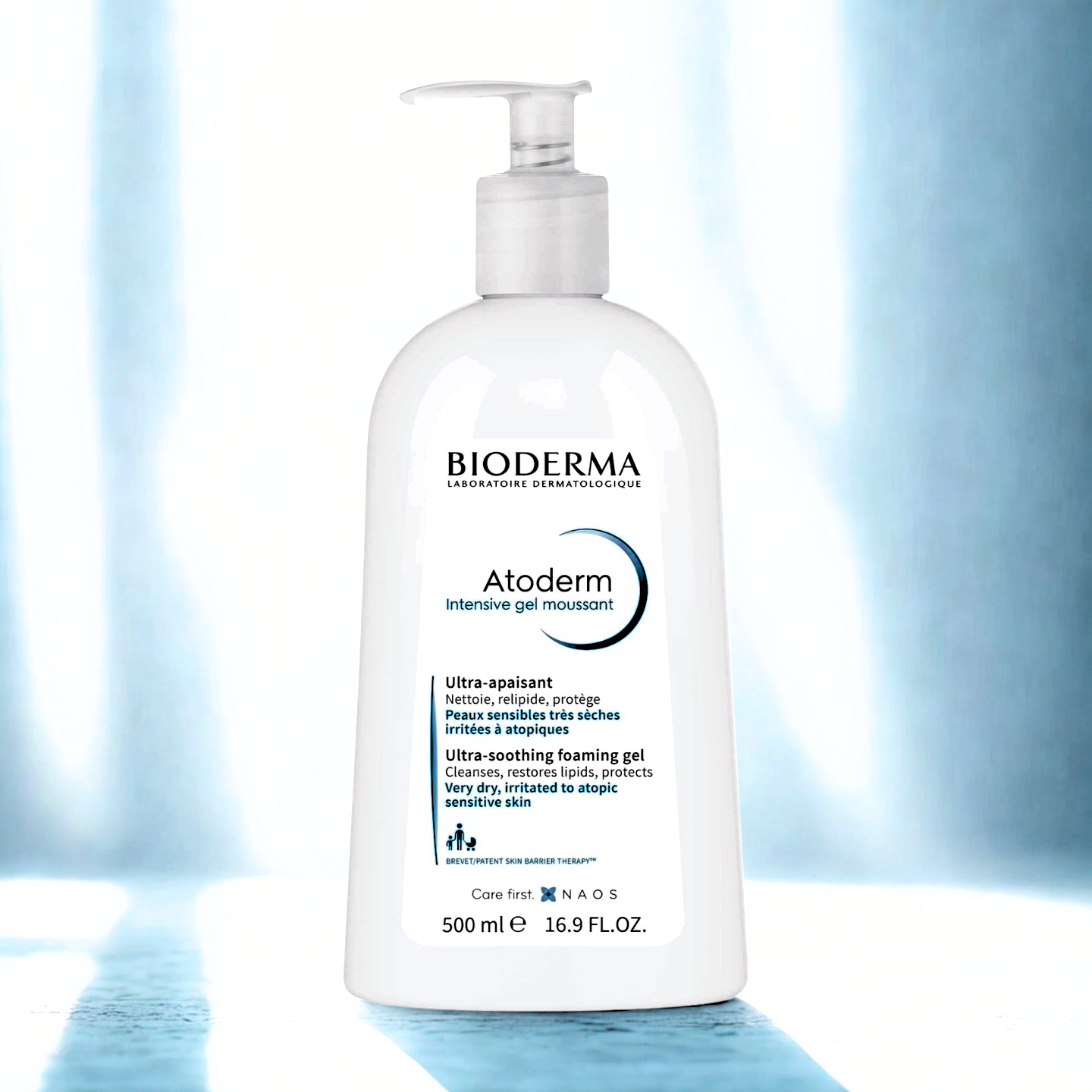
Bioderma Atoderm Intensive Gel Moussant
A gentle, soap-free cleanser that cleans without stripping natural oils. Ideal for inflamed, irritated, or reactive skin.
________________________________________________________________________________________________

Bioderma Atoderm Creme Ultra
One of the best barrier-repair moisturizers for compromised, itchy skin. It reduces inflammation, restores lipids, and keeps the skin from drying out — which is crucial during hives.
________________________________________________________________________________________________
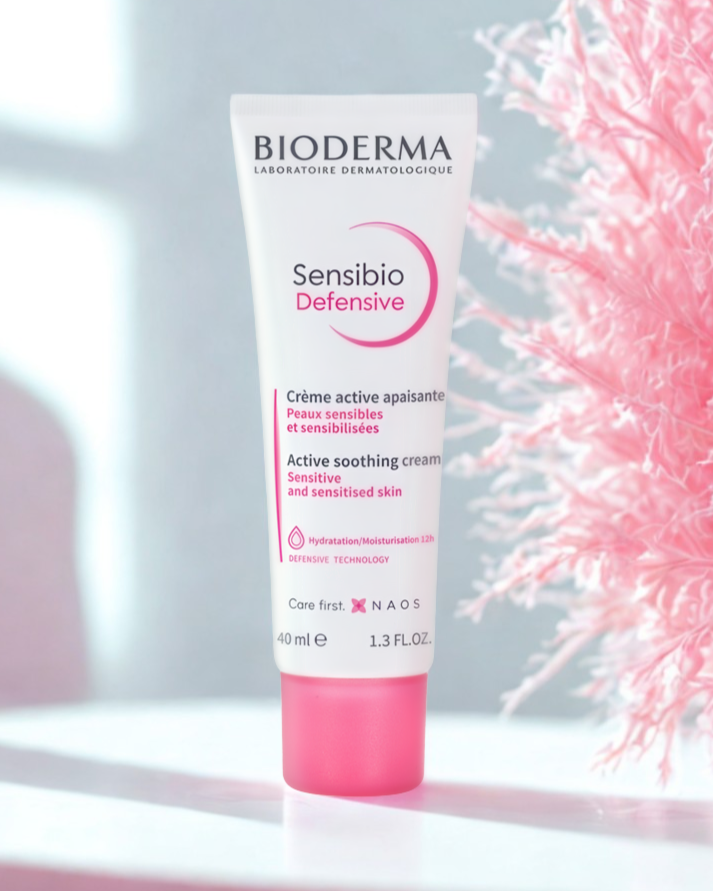
Bioderma Sensibio Defensive Cream
Perfect for sensitive, allergy-prone skin. These formulas soothe burning sensations and reinforce the skin’s defense system.
These products support your healing while antihistamines address the root cause.
Caring for Your Skin During a Hives Episode
When you are in the middle of a flare-up, your instincts might push you to scrub, cool aggressively, or keep touching the area — which unfortunately makes things worse.
The best approach is gentle, consistent care:
– Use cool (not cold), short showers.
– Apply moisturizer twice daily.
– Skip scrubs, loofahs, and exfoliants.
– Avoid perfumes, fragranced lotions, and strong detergents.
– Wear loose cotton clothing.
– Do not scratch — press lightly instead.
Think of hives like a panicked skin barrier. Your job is to reassure it, not challenge it.
Preventing Hives: Everyday Habits That Help
Once your skin calms down, the goal is to prevent future flare-ups. Small lifestyle changes can dramatically reduce how often hives appear.
Chronic hives often respond really well to routine — especially consistent skincare and antihistamine use.
When You Should See a Dermatologist
If your hives last more than six weeks, keep returning, or get severe, a dermatologist can help identify triggers and prescribe stronger treatments. Seek help urgently if you experience swelling of the lips, tongue, or difficulty breathing.
For reputable medical information, explore:
Final Thoughts
Hives can be unpredictable, uncomfortable, and sometimes stressful — but they’re also incredibly manageable with the right approach. Understanding your triggers, treating the immune response, and supporting your skin barrier make a powerful combination.
With dermatologist-approved products from Bioderma and Esthederm, available at The Watermelon, you can keep your skin calm, hydrated, and protected even in the UAE’s challenging climate. Healing doesn’t happen overnight, but with consistency and the right care, your skin can feel comfortable and confident again.
0 تعليقات