

Vitiligo is often misunderstood, yet it affects millions of people worldwide across every age, skin tone, and background. While it isn’t harmful or contagious, the emotional impact can be real — especially when the condition appears suddenly or spreads quickly. If you’ve noticed new light patches on your skin and you’re wondering what they might be, this guide will walk you through the early signs, possible causes, treatment options, and the skincare habits that actually help.
What Is Vitiligo?
Vitiligo is an autoimmune condition where the body mistakenly attacks melanocytes — the pigment-producing cells responsible for skin color. When these cells stop functioning, white or lighter patches appear. The condition can progress slowly, stay stable for years, or spread unpredictably.
Although the exact trigger remains unclear, researchers believe vitiligo develops through a combination of genetic, immune, and environmental factors. It is not caused by poor hygiene, lifestyle mistakes, or anything you “did wrong.”
To explore medical details further:
Early Signs: How Vitiligo Usually Starts
Identifying vitiligo early is key because treatment works best during active stages. Many people first notice small, pale patches that gradually turn completely white. These patches often appear symmetrically — both hands, both knees, both sides of the face — which is one of the classic signs.
Some people also notice rapid changes following emotional stress, illness, or a severe sunburn. Hair in the affected area (eyebrows, beard, eyelashes, scalp) may turn white earlier than expected.
Because early vitiligo can look similar to fungal infections or post-inflammatory hypopigmentation, a dermatologist is the best person to confirm the diagnosis.
Patterns or “Stages” of Vitiligo
While vitiligo doesn’t follow strict stages like cancer, dermatologists typically describe it based on patterns:
Localized Vitiligo
A few patches appear in one or two areas and may remain stable for long periods.
Segmental Vitiligo
Patches develop along a nerve pathway on one side of the body. It usually progresses quickly at first but then stabilizes.
Generalized Vitiligo
The most common type. Patches appear in multiple locations and may slowly expand.
Understanding your pattern helps your dermatologist personalize the treatment plan.
What Causes Vitiligo?
The exact cause remains unknown, but certain factors increase risk. People with autoimmune conditions (especially thyroid disorders), a family history of vitiligo, high oxidative stress, major emotional or physical stress, hormonal shifts, or a history of severe sunburns are more likely to develop it.
Most importantly, vitiligo isn’t caused by diet, hygiene, or lifestyle. It’s a biological condition — not a mistake or weakness.
Best Treatment Options for Vitiligo
While there is no permanent cure, multiple treatments can restore pigment, slow spreading, and improve appearance significantly.
Topical Prescription Creams
Dermatologists often start with corticosteroids or calcineurin inhibitors (like tacrolimus). These help calm inflammation and encourage repigmentation.
Narrowband UVB Light Therapy
One of the most effective medical treatments. It stimulates pigment cell return and is usually recommended for widespread or progressing vitiligo.
Excimer Laser
Targets small stubborn patches with concentrated UV light.
Micropigmentation (Medical Tattooing)
Useful for stable vitiligo on lips or small areas.
Skin Camouflage
High-quality pigments can match your exact skin tone for a natural look.
Treatments work best when started early — ideally when patches are still “active” rather than stable and longstanding.
The Most Important Daily Habit: Sun Protection
Depigmented skin lacks melanin and burns far more easily. This increases contrast between affected and unaffected skin, making patches appear more noticeable. Daily broad-spectrum SPF is non-negotiable.

Best Recommendation: Bioderma Photoderm Aquafluid SPF50+
This is ideal for vitiligo because it offers extremely high protection with an ultra-light, invisible finish. It absorbs fast and doesn’t leave a white cast on darker skin tones.
________________________________________________________________________________________________

For Full-Body Use: Bioderma Photoderm Spray SPF50+
Easy, comfortable coverage for arms, legs, and exposed areas.
________________________________________________________________________________________________
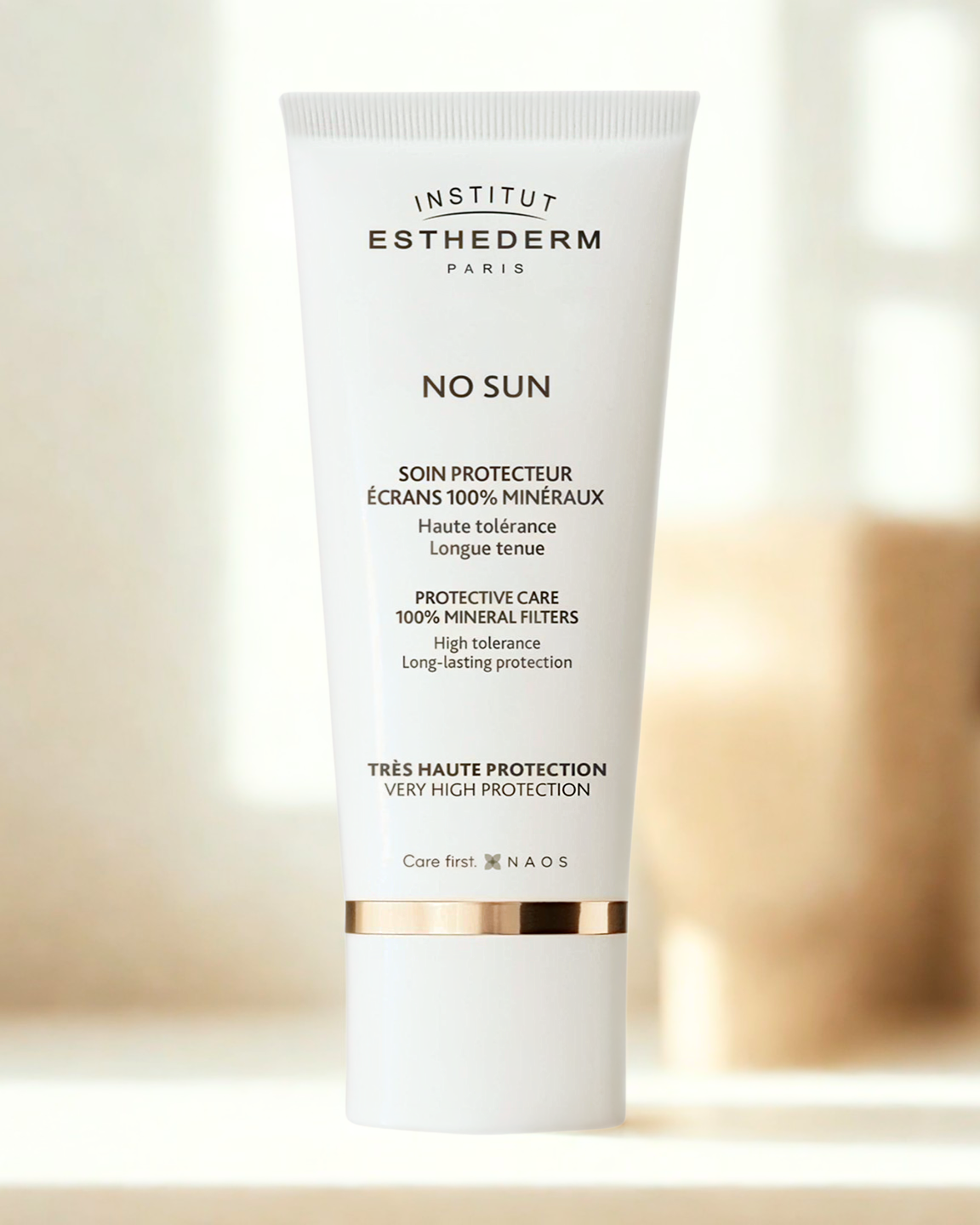
For Sensitive or Reactive Skin: Esthederm No Sun
Helps skin adapt to UV exposure and reduces sun-induced stress — helpful for people who struggle with pigment changes and sensitivity together.
These products don’t treat vitiligo, but they do prevent worsening, reduce contrast, and protect vulnerable skin.
Daily Dos and Don’ts
Do:
-
Apply SPF50+ every morning (reapply outdoors).
-
Moisturize daily to strengthen the skin barrier.
-
Visit a dermatologist early if you see new patches.
-
Protect your skin from sunburns — vitiligo burns fast.
-
Manage stress with sleep, breathing exercises, or movement.
-
Follow your doctor’s treatment plan consistently.
Don’t:
-
Skip sunscreen — UV makes patches spread faster.
-
Use harsh scrubs, peeling agents, or bleaching products.
-
Wait months hoping patches will fade on their own.
-
Self-diagnose.
-
Tan unaffected skin to reduce contrast — it makes it worse.
Vitiligo vs Other Light Skin Conditions
Many people confuse vitiligo with other causes of light patches.
Tinea versicolor comes with mild flaking.
Post-inflammatory hypopigmentation appears after eczema or acne.
Sun damage creates scattered light spots.
Idiopathic guttate hypomelanosis creates tiny white dots on legs and arms.
Vitiligo patches are smooth, clearly defined, and often expand over time. A dermatologist can confirm with a Wood’s lamp examination.
Living With Vitiligo
Vitiligo can impact confidence, but with the right skincare routine and medical guidance, most people manage it successfully. Light therapy, consistent SPF use, anti-inflammatory creams, and gentle daily skincare often provide real improvement. Emotional support matters too — online communities like the Vitiligo Research Foundation https://vrfoundation.org/ can help people feel understood and supported.
Final Thoughts
Vitiligo doesn’t define you — it’s simply one part of your skin story. With early treatment, smart sun protection, and a calming skincare routine, you can control progression and even regain pigment in many cases. The most important daily step is sun protection.
If you’re noticing new patches, consider seeing a dermatologist soon — early care always works best.
0 تعليقات