

Scalp psoriasis is a type of plaque psoriasis that affects the scalp, often extending to the hairline, forehead, and behind the ears. The plaques tend to be thick, red or discolored, and covered with silvery or white flakes. While the exact cause of psoriasis isn’t fully understood, research shows it’s linked to an overactive immune response — specifically, when immune cells (T cells) mistakenly attack healthy skin cells, triggering them to grow and accumulate too rapidly.
Normally, skin cells replace themselves every 28–30 days. In people with scalp psoriasis, this process speeds up drastically to days instead of weeks, leading to a visible buildup of new skin cells on the surface. These accumulated cells form the plaques that are the hallmark of psoriasis.
Scalp psoriasis can affect people of all ages and doesn’t discriminate by hair type, gender, or ethnicity. While it’s not contagious or infectious, it can be persistent and prone to flare‑ups, especially during times of stress, cold weather, or immune system changes.

Recognizing the Signs: Symptoms of Scalp Psoriasis
What sets scalp psoriasis apart from other scalp conditions like dandruff or seborrheic dermatitis is the thickness and texture of the scale, the defined nature of plaques, and the often intense itchiness or soreness of the skin. Common symptoms include:
- Thick, raised, red or discolored plaques covered with silvery‑white scales.
- Intense itchiness that may make daily activities or sleep uncomfortable.
- Dryness, cracks, or skin fissures that can sometimes bleed.
- Flakes that resemble but differ from dandruff — psoriasis plaques typically have more distinct, well‑defined edges and thicker scaling.
- Temporary hair thinning due to inflammation and scratching.
In some cases, severe itching can lead to discomfort or pain. Scratching or aggressive brushing can make the plaques worse and even increase the risk of irritation or secondary infection.
Unlike dandruff — which tends to cause fine white flakes — psoriasis plaques often feel thicker, may cover larger surface areas, and have a distinctive silvery sheen caused by accumulated dead skin cells.
Why Does Scalp Psoriasis Develop? Causes and Triggers
The exact cause of scalp psoriasis still isn’t completely understood, but researchers agree it’s driven by immune system dysfunction. In psoriasis, the body mistakenly signals for more skin cells than necessary, leading to rapid turnover and accumulation on the scalp surface.
Several factors can contribute to flare‑ups or worsen symptoms:
Immune system triggers: Stress, anxiety, or autoimmune issues can predispose the scalp to inflammation.
Environmental factors: Cold, dry weather or seasonal changes may dry out the scalp, aggravating plaques.
Skin injury or irritation: Harsh scrubbing, strong shampoos, or aggressive brushing can trigger or intensify symptoms.
Lifestyle stressors: Stress and lack of sleep are known contributors to psoriasis flares.
Although scalp psoriasis isn’t fully preventable, understanding these triggers can help you manage flare‑ups more effectively through both lifestyle adjustments and appropriate scalp care.
Diagnosis: How Scalp Psoriasis Is Identified
If you or someone you know has persistent patches of itchy, thick scalp skin that don’t respond to regular dandruff treatments, a visit to a dermatologist is a good first step. A dermatologist can usually diagnose scalp psoriasis through visual inspection — the unique pattern and texture of plaques often make it identifiable.
In ambiguous cases, your dermatologist may take a small skin sample or biopsy to rule out other conditions like seborrheic dermatitis, eczema, or fungal infections. They may also evaluate your medical history and inquire about family history of psoriasis or immune conditions.
The sooner you get a clear diagnosis, the better you can tailor your treatment plan — especially if symptoms are affecting your confidence or comfort.
Treatment Options: From Medical Approaches to Scalp Care
Managing scalp psoriasis often involves a combination of medical treatments, scalp care routines, and lifestyle strategies. Because it’s an autoimmune condition, treatments are designed to reduce inflammation, slow skin cell buildup, and improve comfort.
1. Topical Medications and Prescription Treatments
Dermatologists often begin with topical corticosteroids, which help calm inflammation and reduce scaling. For thicker, stubborn plaques, stronger prescription shampoos or scalp treatments like corticosteroid foams, gels, or ointments may be used.
Medicines such as calcipotriene (a vitamin D derivative) can be combined with corticosteroids for enhanced results, especially on more extensive plaque areas. Some treatments are left on the scalp overnight to increase absorption.
In severe cases or widespread psoriasis, systemic treatments — including light therapy (phototherapy), oral medications, or biologic injections — may be recommended to control immune‑related symptoms. These options target the underlying immune pathways contributing to rapid skin cell turnover.
2. Medicated Shampoos and Scalp Softeners
Shampoos formulated with salicylic acid or coal tar are commonly recommended to soften thick scales and help shed dead skin cells gently. These ingredients can make other topical treatments more effective by allowing them to penetrate deeper.
Coal tar shampoos help reduce scaling, itching, and inflammation, while salicylic acid works as a keratolytic to break down plaque buildup. Because these can be strong, they’re typically used as part of a broader treatment plan directed by a dermatologist.
Supportive Scalp Care: Best Picks for Psoriasis
While medical treatments target the root causes of psoriasis plaques, you can support scalp comfort, reduce irritation, and maintain scalp balance with gentle, dermatologist‑friendly products — especially during remission or between flare‑ups. Here are some excellent options available at The Watermelon:
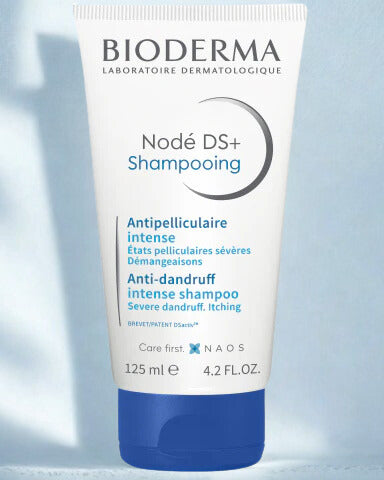
Bioderma Nodé DS+ Anti Dandruff Shampoo
A gentle scalp cleanser that supports healthy scalp balance by reducing flaking and regulating scalp lipids. Ideal for mild flaking or maintenance days when active plaques are less intense.
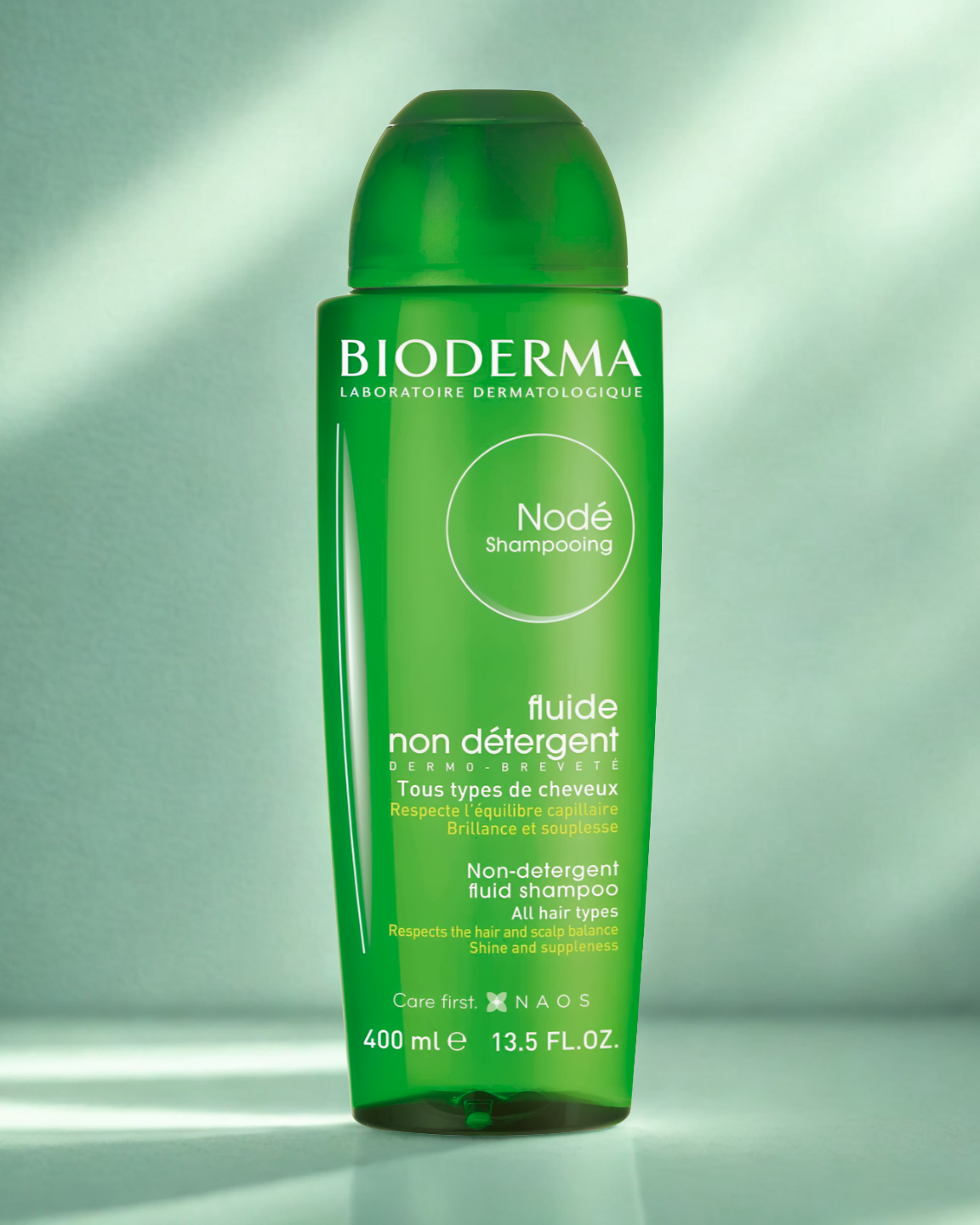
Bioderma Nodé Shampooing Fluide
A non‑detergent, very gentle shampoo that preserves the scalp’s natural protective oils, making it perfect for use between treatment days or when soothing irritation.
These supportive shampoos aren’t replacements for prescription therapy for moderate or severe scalp psoriasis, but they can help maintain comfort, reduce irritation, and support scalp health when used alongside professional treatment.
Daily Scalp Care Tips to Manage Flares
Living with scalp psoriasis means paying attention not just to products, but to habits that influence symptoms:
Avoid harsh scrubbing: Vigorous brushing or scratching can worsen plaques and lead to pain or bleeding.
Use lukewarm water: Hot water can strip natural oils and exacerbate dryness or irritation.
Maintain gentle hygiene: Choose sulfate‑free, mild shampoos and avoid heavy styling products that can irritate the scalp.
Moisturize regularly: Sealing in hydration after washing helps minimize itchiness and scale formation.
Manage stress: Since stress is a common flare‑trigger, techniques like meditation, exercise, and adequate sleep support overall immune health.
When to Seek Professional Help
Because scalp psoriasis varies in severity and can mimic conditions like dandruff or seborrheic dermatitis, professional evaluation ensures you get the right diagnosis and treatment plan. If you notice Intense itching that disrupts sleep, Thick, widespread plaques covering large areas, Bleeding or painful cracks in the scalp, Symptoms not improving with over‑the‑counter care.
Then a dermatologist’s guidance can help tailor treatments like prescription steroids, phototherapy, or even systemic therapies.
Frequently Asked Questions (FAQ)
Q: Can scalp psoriasis be cured?
A: There’s no cure yet for autoimmune psoriasis, but psoriasis can be effectively managed with the right combination of medical treatments and supportive scalp care.
Q: Is scalp psoriasis the same as dandruff?
A: No — while both can cause flakes and itching, scalp psoriasis produces thick plaques with silvery scaling and often requires a different treatment approach than dandruff shampoos.
Q: Can psoriasis cause hair loss?
A: Psoriasis itself doesn’t permanently cause hair loss, but scratching or inflammation can lead to temporary thinning. Hair usually regrows once symptoms are under control.
Q: How long does it take to see improvement?
A: With proper treatment, many people see improvement within weeks, but psoriasis is chronic and may require ongoing management.
Q: Are there lifestyle changes that help?
A: Yes — stress management, hydration, diet quality, and avoiding scalp irritation all support symptom control, though individual results vary.
Final Thoughts
Scalp psoriasis can be a persistent and uncomfortable condition, but it doesn’t have to control your life. With a clear understanding of its causes, a tailored treatment plan from a dermatologist, and supportive scalp care using dermatologist‑trusted products from Bioderma available at The Watermelon, you can reduce flare‑ups, soothe irritation, and enjoy a healthier, more comfortable scalp environment.
Remember, psoriasis is unique for every person, so be patient with treatments and consistent with your scalp care routine — and don’t hesitate to seek expert guidance when needed.
0 تعليقات