

Pregnancy is magical… and let’s be real — sometimes chaotic. One day you’re glowing, the next your skin is staging a rebellion you never signed up for. Dark patches, sudden dryness, acne flare-ups, random sensitivity — it’s a whole journey.
While navigating cravings, hormones, and doctor visits, the last thing you need is confusion about skincare. Which products are safe? Which ingredients should you avoid? And why do some treatments suddenly become off-limits?
As a skincare business, we see this question every single week, especially from moms who want effective results without compromising safety. This guide breaks everything down clearly — no fearmongering, no overly scientific jargon — just honest, practical advice.
Why Does Pregnancy Change Your Skin So Much?
Before we jump into the “avoid list,” it helps to understand why your skin is suddenly acting differently.
Pregnancy hormones — especially estrogen, progesterone, and melanin-stimulating hormone — flip the skin’s behavior. You may notice:
-
Increased sensitivity
-
Stronger reactions to previously safe products
-
Acne breakouts
-
Pigmentation (melasma)
-
Unexpected dryness or oiliness
-
Skin barrier issues
-
Itchiness
Basically, your skin is riding the hormonal roller-coaster… and you're just hanging on.
This is why some powerhouse ingredients need to be paused during pregnancy: either because they penetrate too deeply, or because there isn’t enough evidence proving they’re safe.
So, What Skincare Should You Avoid During Pregnancy?
Let’s break it down ingredient by ingredient — in a way that’s easy to remember and even easier to apply.
1. Retinoids (Retinol, Retin-A, Tretinoin, Adapalene, Isotretinoin)
If there’s one ingredient every pregnant woman hears about first, it’s retinoids. These vitamin A derivatives are incredible for anti-aging, acne, and texture… just not during pregnancy.
Retinoids can be absorbed into the bloodstream, and oral versions (like Accutane) are known to cause birth defects. While topical retinoids haven’t shown the same level of risk, doctors still say: better safe than sorry.
Skip anything with:
-
Retinol
-
Retinaldehyde
-
Retinyl palmitate
-
Adapalene (Differin)
-
Tazarotene
-
Tretinoin
-
Isotretinoin
Your safer alternative:
Switch to niacinamide, bakuchiol, hyaluronic acid, or azelaic acid — all effective and pregnancy-safe.
2. Salicylic Acid (High-Strength)
A little salicylic acid here and there (under 2%) is usually fine, but high-concentration salicylic acid, like the ones used for chemical peels or strong acne treatments, should be avoided.
Why? Higher percentages can absorb deeper into the skin and act similarly to oral salicylates — which doctors don't recommend during pregnancy.
Avoid:
-
Salicylic acid chemical peels
-
Strong acne spot treatments
-
Leave-on exfoliants above 2%
Safe alternative:
Gentle cleansers with low BHA or milder AHAs like lactic acid.
3. Hydroquinone
Hydroquinone is one of the most effective skin-lightening ingredients — especially for melasma. But because it absorbs more deeply compared to other actives, it’s not advised during pregnancy.
Why avoid it?
Studies show hydroquinone absorbs between 35–45% into the bloodstream, which is a much higher rate than most skincare ingredients.
Safer brightening alternatives:
-
Azelaic acid (TOP pick for pregnancy melasma)
-
Vitamin C
-
Kojic acid
-
Niacinamide
-
Bioderma Pigmentbio range
4. Formaldehyde & Formaldehyde-Releasing Preservatives
Rare in modern skincare, but still found in some older formulas or nail hardeners.
Not pregnancy-friendly because they may cause sensitivity, irritation, or breathing issues — and your skin is already more reactive.
Watch out for ingredients like:
-
DMDM hydantoin
-
Quaternium-15
-
Imidazolidinyl urea
-
Diazolidinyl urea
Most reputable brands (like Bioderma) avoid these completely.
5. High-Dose Essential Oils
You know those fancy oils with powerful scents? They’re not all bad — but pregnancy skin can react much more aggressively.
Certain essential oils may stimulate contractions (in theory), cause irritation, or trigger nausea.
Be careful with:
-
Rosemary oil
-
Sage oil
-
Clary sage oil
-
Cinnamon oil
-
Eucalyptus oil
Better options:
Non-fragranced products, hypoallergenic formulas, and minimal essential oils.
6. Benzoyl Peroxide (Use Sparingly)
This one is controversial. Some dermatologists say low doses are okay; others prefer avoiding it altogether. Because studies are limited, many moms choose to skip it.
Safer acne options:
-
Azelaic acid
-
Glycolic acid (low percentage)
-
Niacinamide
7. Chemical Sunscreens Containing Oxybenzone
Oxybenzone is a hot topic — some studies suggest hormone-disrupting potential.
While not all chemical filters are bad, many pregnant women prefer physical (mineral) sunscreens instead.
Avoid sunscreens containing:
-
Oxybenzone
-
Homosalate (high % versions)
-
Octinoxate
Better alternatives:
-
Zinc oxide sunscreens
-
Titanium dioxide sunscreens
They’re gentler, safer, and great for sensitive skin.
Safe Ingredients You Can Use During Pregnancy
Not everything is off-limits — you still have amazing options that treat pigmentation, acne, dryness, and sensitivity safely.
-
Hyaluronic acid
-
Niacinamide
-
Azelaic acid
-
Vitamin C
-
Peptides
-
Ceramides
-
Glycerin
-
Centella asiatica
-
Mild AHAs (like lactic acid)
-
Physical sunscreens
These are the ingredients we recommend most often to customers who shop from us during pregnancy — especially the ones struggling with melasma or dryness.
How Pregnancy Affects Pigmentation (And Why So Many Moms Ask About Melasma)
If you suddenly developed dark patches on your forehead, cheeks, upper lip, or jawline… welcome to the world of pregnancy melasma.
Pigmentbio products are some of the safest brightening options for pregnancy because they avoid the harsh ingredients doctors tell women to stay away from.
Which Bioderma Pigmentbio Products Are Safe During Pregnancy?
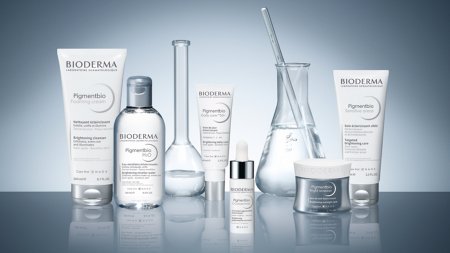
If you’re dealing with pregnancy melasma or stubborn dark patches, you’re definitely not alone — it’s one of the most common skin concerns we see in expecting moms. The good news? You can still treat pigmentation safely, without touching harsh actives like retinoids or hydroquinone.
That’s why so many pregnant women gravitate toward the Pigmentbio range, because Bioderma formulated it with gentle, dermatologist-developed brighteners.
Here’s a simple breakdown:
Pregnancy-Friendly Pigmentbio Products
(These are gentle enough, non-photosensitizing, and free from the “no-go” ingredients.)
1. Pigmentbio Foaming Cream
A mild exfoliating cleanser with AHAs that are safe in low percentages during pregnancy. It brightens, evens tone, and keeps skin smooth without irritation. Perfect for daily use.
2. Pigmentbio Daily Care SPF50+
A tinted daily sunscreen that protects melasma like a champ. The formula is pregnancy-friendly and helps prevent pigmentation from getting darker.
3. Pigmentbio H2O Micellar Water
Safe, soothing, and ideal for sensitive skin. Removes makeup and sunscreen gently.
4. Pigmentbio C-Concentrate
Safe as long as the skin tolerates vitamin C well. No retinoids, no hydroquinone. Great for brightening dullness.
(If they’re super sensitive or irritated during pregnancy, we usually suggest using it every other day.)
❗Products to Avoid / Use Later
Not because they’re harmful, but because pregnancy skin can be reactive:
Pigmentbio Night Renewer (contains strong actives that may be too stimulating during pregnancy)
Our “Freshness & Safety First” Promise
We know how sensitive pregnancy skincare can be — and how overwhelming the ingredient lists feel. That’s why every product we ship goes through a simple but reliable check process:
1. Expiry Date Inspection
Before packing, we confirm the product’s expiration date is comfortably far out. No near-expiry surprises.
2. Batch & Authenticity Verification
We verify batch codes to ensure originality — especially important for expecting moms who can’t risk counterfeit or old stock.
3. Safe Packaging Storage
Temperature and storage matter. Your products are kept in controlled conditions so actives remain stable and safe.
For trustworthy, professional guidance on skincare during pregnancy, you can also refer to The American College of Obstetricians and Gynecologists and Mayo Clinic – Pregnancy Skin Changes.
We want you to enjoy your skincare routine without worry — because glowing skin should never come at the cost of safety.
Before We Wrap Up — One Last Thing
Pregnancy skincare is full of rules, restrictions, googling at 3 a.m., and panicking about whether a serum you used two weeks before your positive test is going to cause an issue (spoiler: it won’t).
But you don’t have to figure it all out alone. If you ever need help choosing safe products, or if you want personalized advice based on your skin concerns, we’re always here to guide you gently and honestly.
A Quick Friendly Disclaimer
You already know this, but I’ll say it anyway — because we’re talking like friends here:
This blog is for general guidance only and is not medical advice. Always speak to your doctor or dermatologist about your specific situation, especially if you’re unsure about a product or ingredient. Pregnancy skin behaves differently for everyone — so go slow, stay informed, and be kind to yourself.
0 تعليقات