

Oily and acne-prone skin can feel like a full-time job. One minute your face is glowing, the next it's glowing, if you know what I mean. Makeup melts, pores act like they have a life of their own, and breakouts show up with zero invitation. But here’s the comforting truth: oily and acne-prone skin is one of the most manageable skin types once you learn how it behaves — and what it responds to.
What Oily Skin Actually Means
Oily skin isn’t “dirty” or “bad.” Your sebaceous glands simply produce more sebum than the average person. Sebum is meant to protect your skin, but when there's too much of it, things get… complicated. Excess oil mixes with dead skin, hangs around inside your pores, and sets the perfect stage for congestion and breakouts.
If your pores clog more easily than usual, you fall into the “acne-prone” category — meaning that even small disruptions can turn into pimples, blackheads, whiteheads, or those annoying under-the-skin bumps.
For verified medical reading, DermNet has a great breakdown of acne:
Early Signs You Have Oily or Acne-Prone Skin
You don’t need a dermatologist to tell you your T-zone shines brighter than your future. But dermatologists do rely on a few classic markers:
-
Your skin looks shiny even after washing.
-
Your pores are visible or stretched around your cheeks and nose.
-
Makeup refuses to stay put — it slides, separates, or oxidises.
-
Breakouts show up frequently, especially around hormonal zones like the jawline.
-
You feel tiny bumps under the skin that never come to a head.
If you're nodding to several of these, welcome to the club — you’re working with oily/acne-prone skin.
The Stages of Acne, Explained Simply
Acne doesn’t appear out of nowhere. There’s a whole backstage process happening:
First, the oil glands kick into high gear → sebum builds up.
Then dead skin mixes with it → the pore becomes blocked.
Bacteria (C. acnes) joins the party → inflammation begins.
You see pimples, redness, swelling.
And after everything calms down, dark marks appear as souvenirs.
Understanding these stages means you can target each step instead of only treating the final breakout.
So… What’s the Best Way to Treat Oily or Acne-Prone Skin?
A good routine isn’t about having a million products. It’s about having the right ones.
Step 1: Cleanse — Keep It Gentle
If there’s one cleanser oily skin absolutely thrives on, it’s Bioderma Sébium Gel Moussant.
It foams without stripping, regulates sebum production, and keeps pores clear — which is basically the holy trinity for acne-prone skin.
Think of it as your loyal morning and night companion.
Step 2: Treat the Acne at Its Source
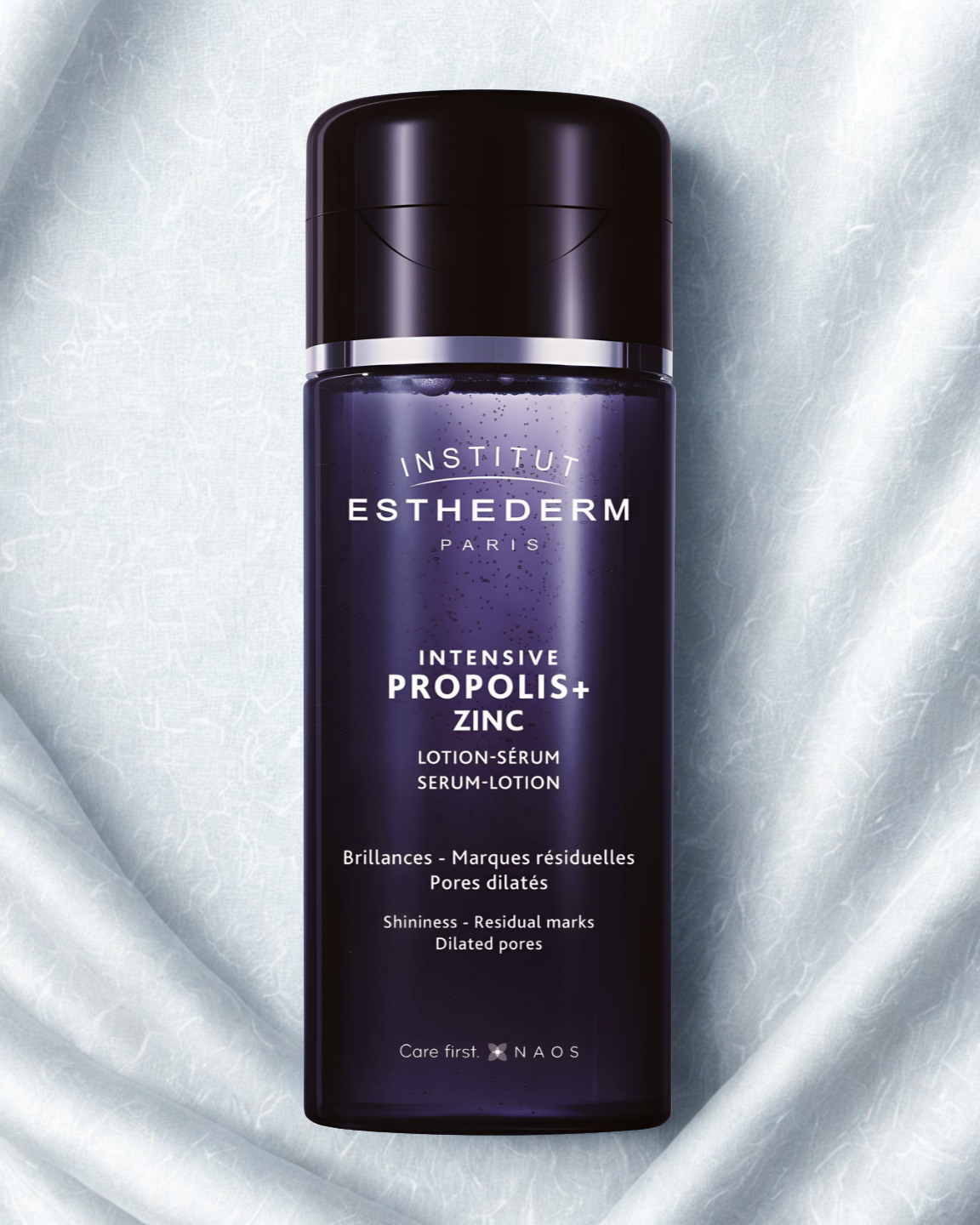
When pimples flare up, you want something that calms inflammation, balances oil, and keeps bacteria in check. The Esthederm Intensive Propolis+ Zinc Serum does exactly that.
Propolis soothes irritation while zinc regulates oil and speeds up healing.
If you’re dealing with recurring breakouts, this serum is like pressing the reset button.
Step 3: Use a Daily Anti-Acne Formula
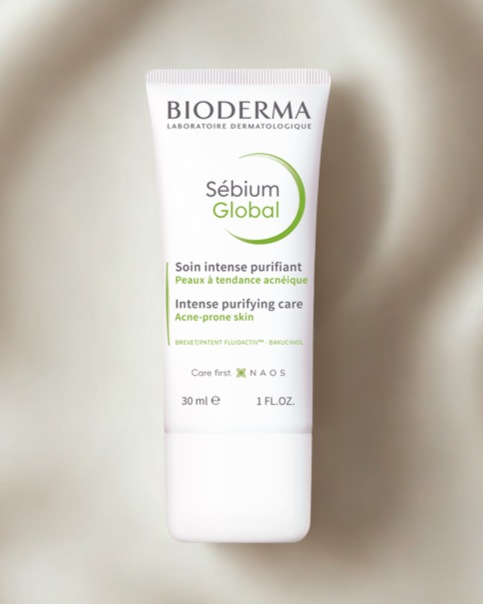
Some products are designed to stop breakouts before they even think of forming.
Bioderma Sébium Global is formulated exactly for that — unclogging pores, mattifying the skin, and smoothing texture without the harshness many acne treatments cause.
If you want something that handles both prevention and treatment, Global is your everyday essential.
Step 4: Hydrate (Yes… Even If You’re Oily)

Many people with oily skin think moisturizer is optional. Unfortunately, this is how you accidentally push your skin into dehydration — and then it panics and produces more oil.
Bioderma Sébium Hydra gives you light, non-greasy hydration while reducing irritation from acne treatments.
It keeps your barrier strong, which is the real secret to long-term skin clarity.
The Do’s & Don’ts (Because Balance Matters)
Here’s where the guidance gets practical.
Do hydrate your skin — every single day.
Do wash your pillowcase often (your skin will thank you).
Do use gel sunscreens; they protect without clogging.
Do keep to a simple routine; your skin loves consistency.
What you shouldn’t do?
Don’t wash your face three times a day — it triggers more oil.
Don’t pick at your breakouts (unless you love dark marks).
Don’t assault your skin with scrubs, rubbing, or toothpaste hacks.
And definitely don’t layer random actives like a chemistry experiment.
Less chaos = fewer breakouts.
A Simple, Effective Routine
Morning
-
Cleanser: Bioderma Sébium Gel Moussant.
-
Treatment: Esthederm Intensive Propolis+ Zinc Serum
-
Moisturizer: Bioderma Sébium Hydra
-
Sunscreen: BIODERMA Photoderm AKN Mat SPF 30
Night
-
Cleanser - Bioderma Sébium Gel Moussant.
-
Treatment: Bioderma Sébium Global or salicylic acid
-
Moisturizer: BIODERMA Sebium Mat Control
-
Spot treatment (only if needed): BIODERMA Sebium Kerato+
The Bioderma Sebium Range - Designed for Oily Skin Types
The Bioderma Sébium range is specifically formulated for oily and acne-prone skin, making it one of the most reliable lines for controlling excess sebum, reducing breakouts, and improving overall skin texture. Each product in the Sébium family is designed to support skin balance without stripping or irritating, using ingredients that target oil production, clogged pores, inflammation, and dehydration. Whether someone needs a daily cleanser, a breakout-fighting treatment, or lightweight hydration, the Sébium range delivers consistent, dermatologist-backed results — making it the ideal choice for anyone struggling with oily or acne-prone skin.
When You Should See a Dermatologist
If breakouts are deep, painful, leaving marks, or affecting your confidence, it’s always smart to get professional help. Lucia Clinic has a helpful medical overview.
Final Thoughts
Oily and acne-prone skin doesn’t have to be stressful. Once you understand how it behaves — and once you use products designed for oil regulation, unclogging pores, calming inflammation, and supporting your barrier — the transformation is dramatic. Skin becomes clearer, smoother, less shiny, and easier to manage.
Your job isn’t to fight your skin. It’s to work with it.
And with the right routine? Oily skin can be one of the most resilient, glowing, age-defying skin types out there.
0 comments