

Folliculitis is one of those skin concerns that seems tiny… until it’s happening to you. Suddenly your legs, arms, buttocks, beard area, or bikini line feel itchy, bumpy, irritated, and uncomfortable. Whether you’re dealing with razor bumps after shaving, body acne that won’t go away, or small inflamed pustules that seem to pop up after every gym session — chances are, folliculitis is behind it.
The good news? With the right skincare routine and a little consistency, folliculitis is absolutely manageable. Let’s break down what causes it, how to recognize it early, and which dermatologist-approved Bioderma and Esthederm products are best for soothing irritated follicles and repairing your skin barrier.
What Exactly Is Folliculitis?
Folliculitis is the inflammation or infection of the hair follicles — the tiny openings in your skin where each hair grows. Each follicle is like a tiny tunnel. When this tunnel gets blocked, irritated by friction, or invaded by bacteria or yeast, it becomes inflamed.
The result? Red bumps, white-headed pustules, or clusters of irritated spots that look like acne but behave very differently.
Most cases are mild, but recurring folliculitis can affect your confidence and cause long-term pigmentation, especially in people with sensitive skin.
Why Does Folliculitis Happen? The Most Common Causes
Folliculitis often builds up from everyday habits, climate, and lifestyle. Here’s what typically triggers it:
1. Shaving & Waxing
Anything that removes hair at the root irritates the follicle. Razors can cause micro-cuts, waxing can pull the follicle harshly, and epilators can provoke inflammation.
The bikini line and beard area are the biggest hotspots.
2. Tight Clothing & Friction
Leggings, jeans, and synthetic fabrics trap heat and rub repeatedly against the skin. This weakens follicles and increases the risk of inflammation.
3. Heat, Humidity & Sweat (extra common in the UAE)
Warm weather + sweat = a perfect breeding ground for bacteria and yeast.
Sweat sits on skin, mixes with oil and friction, and irritates follicles.
4. Bacterial Overgrowth
A common skin bacteria, Staphylococcus aureus, can infect irritated follicles. The result is tender bumps that may fill with pus.
5. Yeast Overgrowth
A type of yeast called Malassezia causes fungal folliculitis (also known as pityrosporum folliculitis).
These bumps are:
-
uniform in size
-
itchy
-
often on chest, back, and shoulders
-
resistant to acne products
6. Ingrown Hairs
Curly or coarse hair types are especially prone. When hair curls back into the skin instead of growing outward, inflammation follows.
How to Recognize Folliculitis (Symptoms to Watch For)
Symptoms vary depending on the cause, but most people notice:
-
Small red bumps around hair follicles
-
Itchy or sore spots
-
Pimples that don’t behave like typical acne
-
A “rash-like cluster” of bumps
-
Pain or burning in sensitive areas
-
Breakouts after sweating, shaving, or friction
If your bumps worsen after shaving or sweating, folliculitis is a likely suspect.
The Most Effective Skincare Routine for Folliculitis
Successful treatment focuses on calming inflammation, reducing microbes, and repairing the skin barrier. Harsh scrubs, drying cleansers, or strong active ingredients often worsen the problem.
Below is a dermatologist-inspired routine using Bioderma and Esthederm products available at www.thewatermelon.ae, curated specifically for sensitive, inflamed, or easily irritated skin.
Step 1: Cleanse Gently — No Harsh Scrubs
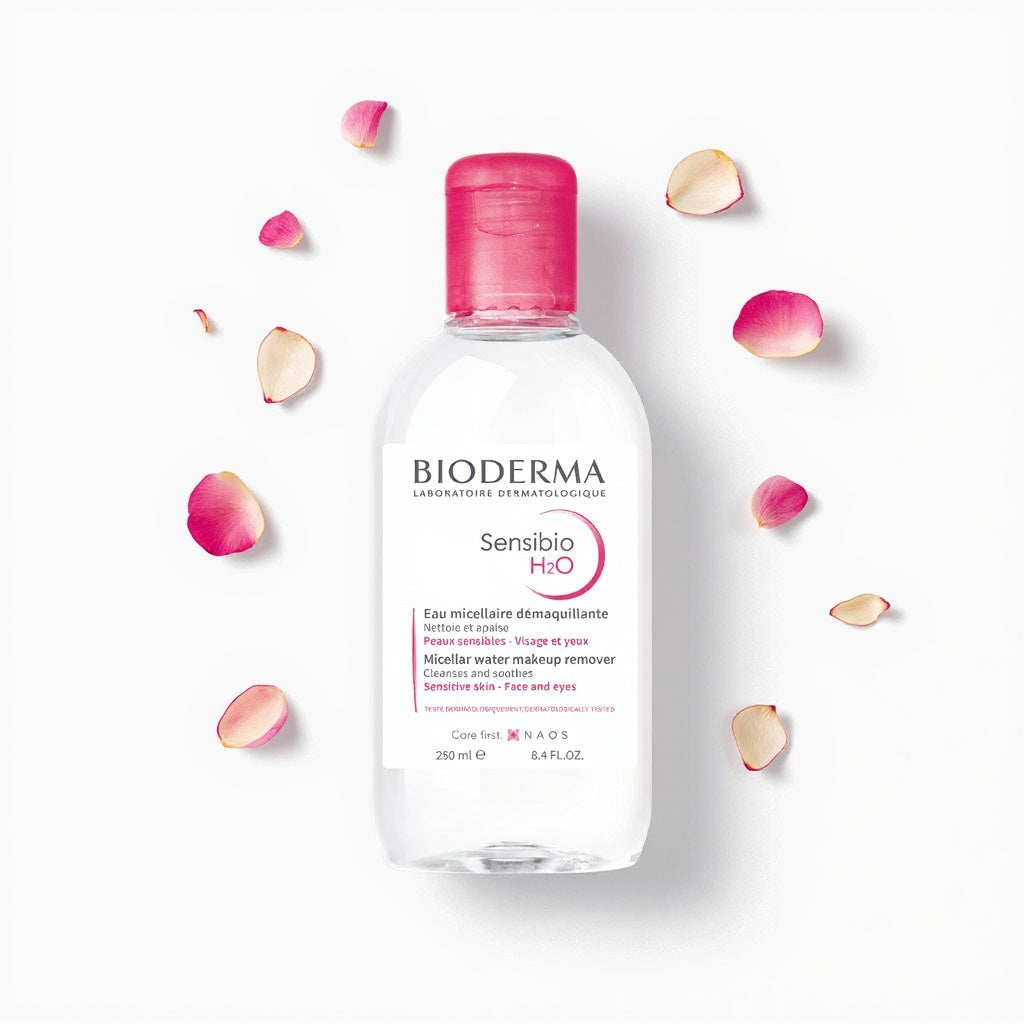
Recommended: Bioderma Sensibio H2O Micellar Water
A cult-favorite for sensitive skin, this micellar water removes sweat, sunscreen, bacteria, and excess oil without disrupting the skin barrier.
It’s also ideal for facial folliculitis, especially around the beard area or after shaving.
Why it works for folliculitis:
-
No rubbing or tugging on inflamed follicles
-
Removes bacteria without stripping moisture
-
Reduces redness instantly
-
Helps prevent friction-induced irritation

Step 2: Repair & Strengthen the Barrier With a Soothing Serum
Recommended: Bioderma Sensibio Defensive Serum
When your skin barrier is weak, your follicles are more vulnerable to inflammation. This serum hydrates deeply while calming sensitivity — making it excellent for recurring or chronic folliculitis.
Benefits:
-
Targets inflammation
-
Long-lasting hydration
-
Reduces sensitivity over time
-
Lightweight and non-comedogenic
Perfect for bumps on the face, arms, legs, or anywhere the skin feels reactive.
Step 3: Hydrate With a Lightweight, Non-Greasy Cream
Recommended: Bioderma Sensibio Defensive Rich
This cream supports the serum, offering protection against environmental triggers while calming irritation.
Best for:
-
Razor burn
-
Post-wax irritation
-
Folliculitis caused by friction
-
Sensitive and redness-prone skin
It hydrates without clogging follicles, which is essential for folliculitis-prone areas.
Bonus Step (for Body Folliculitis): Use a Calming Body Lotion

Recommended: Bioderma Atoderm Creme Ultra
Atoderm Crème Ultra is your go-to rescue for very dry, irritated, or sensitive skin. Perfect for everyday use, it helps restore comfort and protect your skin barrier.
Why it's amazing:
-
Deeply nourishes and restores skin
-
Soothes irritation and tightness
-
Strengthens the skin’s natural barrier
-
Lightweight yet intensely hydrating
Dermatologist recommended, Atoderm Crème Ultra is ideal for rough, dry areas and for calming stressed skin after exposure to harsh elements or treatments.
Lifestyle Tweaks to Prevent Folliculitis
Since folliculitis loves making surprise comebacks, prevention becomes your best friend. Small daily habits can make a massive difference. Start by changing out of sweaty clothes as soon as possible—sweat trapped against the skin is one of the fastest ways to irritate follicles. Choose breathable, cotton-based fabrics that allow airflow, especially during workouts or in hot weather. Try not to shave every day, and always use a clean, sharp razor to avoid micro-cuts that lead to inflammation. Showering after workouts helps clear sweat, bacteria, and friction-triggering buildup. Gentle exfoliation once or twice a week can also keep follicles clear, but chemical exfoliants are far safer than harsh scrubs. Above all, avoid picking or squeezing bumps; it only worsens inflammation and increases the risk of infection. Tiny changes like these dramatically reduce irritation and bacterial buildup, keeping folliculitis from constantly reappearing.
When Should You See a Dermatologist?
Most cases of folliculitis settle down with gentle care, but there are moments when a dermatologist’s help is the smartest move. If the bumps begin to spread, become more painful, or start forming deeper boils, it’s time to get a professional opinion. Persistent symptoms that don’t improve with home care can signal bacterial or fungal involvement, especially if the bumps are itchy, uniform, and resistant to standard soothing routines. In cases where fungal folliculitis is suspected, medical-grade antifungals are often necessary, and self-treating usually won’t be enough. Dermatologists may prescribe topical antibiotics, antifungal creams, or medicated washes depending on what’s driving the irritation. Getting early, targeted treatment prevents the condition from becoming chronic and ensures your skin heals properly and comfortably.
Additional Resources
For more background reading:
Cleveland Clinic – Folliculitis Causes & Treatment
Final Thoughts
Folliculitis may look harmless at first, but when it keeps showing up after every wax, shave, or sweaty gym session, it becomes unbelievably annoying. The good news? With the right habits and targeted skincare, it’s one of the easiest skin conditions to manage at home.
Gentle cleansing, proper exfoliation, and using soothing, non-comedogenic products can transform your skin in a matter of weeks. Whether you’re dealing with sudden inflamed bumps or chronic irritation that just won’t quit, consistency is your best friend.
And honestly — once you switch to the right routine, you’ll wonder why you didn’t do it sooner.
If your skin ever feels out of control, don’t stress. Folliculitis is super common, extremely treatable, and your skin can bounce back beautifully with just a few smart tweaks.
FAQ: Folliculitis
1. Can folliculitis disappear on its own?
Mild cases often improve within a few days when friction and shaving are reduced. More persistent cases require a targeted skincare routine.
2. Is folliculitis contagious?
Most irritation-based cases are not. However, bacterial folliculitis caused by certain strains of staph can be contagious.
3. Can I shave over folliculitis?
It’s best not to. Shaving over inflamed follicles increases irritation and may spread bacteria.
4. What areas of the body are most affected?
Common sites include the thighs, buttocks, bikini line, beard area, scalp, arms, and back.
5. Are Bioderma and Esthederm good for folliculitis?
Yes. Bioderma Sensibio products are formulated for reactive, sensitive skin, while Esthederm body care soothes inflammation and supports repair — ideal for folliculitis-prone skin.
6. Can folliculitis leave marks?
Yes. Repeated inflammation can lead to dark spots, scars, or pigmentation, especially on darker skin tones. Early treatment reduces this risk.
0 comments