

Living in the UAE means enjoying sunshine, gyms, and beach days, but it also comes with unique skin challenges. One of the most common issues in hot, humid climates is fungal skin infections. From athlete’s foot to ringworm and yeast-related rashes, fungi thrive in warm, moist environments. This makes everyday activities — sweating in gym clothes, walking barefoot in public showers, or wearing closed shoes — a potential risk for flare-ups.
At The Watermelon, we want to help you understand fungal infections, spot the early signs, manage them effectively, and keep your skin comfortable with the right supportive skincare.
Understanding Fungal Skin Infections
Fungal skin infections are caused by dermatophytes — fungi that feed on keratin, the protein in your skin, hair, and nails. When the skin stays warm and moist, fungi multiply rapidly, invading the outer layers of the skin and causing noticeable symptoms. In some cases, yeast infections can also develop in skin folds, particularly under the breasts, armpits, or between thighs, where moisture and friction persist.
The common fungal infections include athlete’s foot (tinea pedis), ringworm (tinea corporis), jock itch (tinea cruris), and yeast-related infections. Each has unique characteristics, but all share the potential to cause itching, redness, and scaling, and can worsen if untreated.
Early Signs and Symptoms
Recognizing fungal infections early is critical. Initial signs can be subtle and easy to dismiss as dry skin or irritation. You may notice red or discolored patches that slowly enlarge, sometimes forming circular patterns. Skin may become dry, flaky, or scaly, and itching or burning sensations often intensify with sweat or friction.
On the feet, peeling skin between toes, blisters, or persistent burning may signal athlete’s foot. In the groin or skin folds, red, irritated patches that do not improve with regular hygiene could be jock itch or yeast infections. Nails may thicken, discolor, or become brittle if fungal infections spread, highlighting the importance of early intervention.
Because fungal infections are contagious, they can spread through skin-to-skin contact, sharing towels, socks, shoes, or using public spaces like pools and gym floors. Ignoring early symptoms often leads to chronic or recurrent infections that are harder to treat.
How Fungal Skin Infections Develop: Stages
Fungal infections rarely appear suddenly. They usually progress through several stages.
-
Incubation stage: After exposure, skin may feel slightly itchy or damp, and fungi begin colonizing the outer layers.
-
Mild rash stage: Small red patches or flaky areas develop. Often mistaken for dry skin or irritation.
-
Active infection stage: Rash enlarges, cracks, or forms rings; itching and discomfort intensify, sometimes with blisters or odor (especially on the feet).
-
Chronic/recurrent stage: If left untreated or re-exposed, infections persist, potentially spreading to nails, scalp, or other body areas.
Understanding these stages can help you intervene early and prevent infections from becoming more widespread or difficult to treat.
Treatments That Work
Topical antifungal creams, ointments, or powders are typically the first line of treatment. Active ingredients such as clotrimazole, miconazole, terbinafine, and butenafine are effective against most fungal skin infections. Consistency is crucial — even if symptoms improve, completing the full course prevents recurrence.
For stubborn cases affecting the nails, scalp, or widespread areas, dermatologists may prescribe oral antifungal medications. Phototherapy is generally not required for fungal infections but can be relevant if secondary inflammatory skin conditions develop.
Lifestyle and Hygiene Measures
In addition to treatment, hygiene and lifestyle play a key role in prevention and recovery. Keep your skin dry, especially between toes, under breasts, or in other folds. After swimming or showering, dry thoroughly and avoid trapping moisture in tight, non-breathable clothing.
Opt for breathable fabrics, preferably cotton or moisture-wicking materials, and avoid sharing towels, socks, or shoes. Public pools, showers, and gyms are common transmission points, so wearing flip-flops is a simple but effective preventive measure. Regular laundering of clothes, towels, and bed linens reduces the risk of reinfection.
Skincare Support from The Watermelon
Even with proper antifungal treatment, your skin may remain sensitive, dry, or irritated. Supporting skin recovery with gentle moisturizers helps restore the barrier, calm irritation, and prevent future flare-ups.
At The Watermelon, we recommend:

-
Bioderma Atoderm Creme Ultra: Deeply moisturizes, reduces scaling and itchiness, and strengthens the skin barrier. Ideal for post-infection recovery and for dry, peeling skin.
-
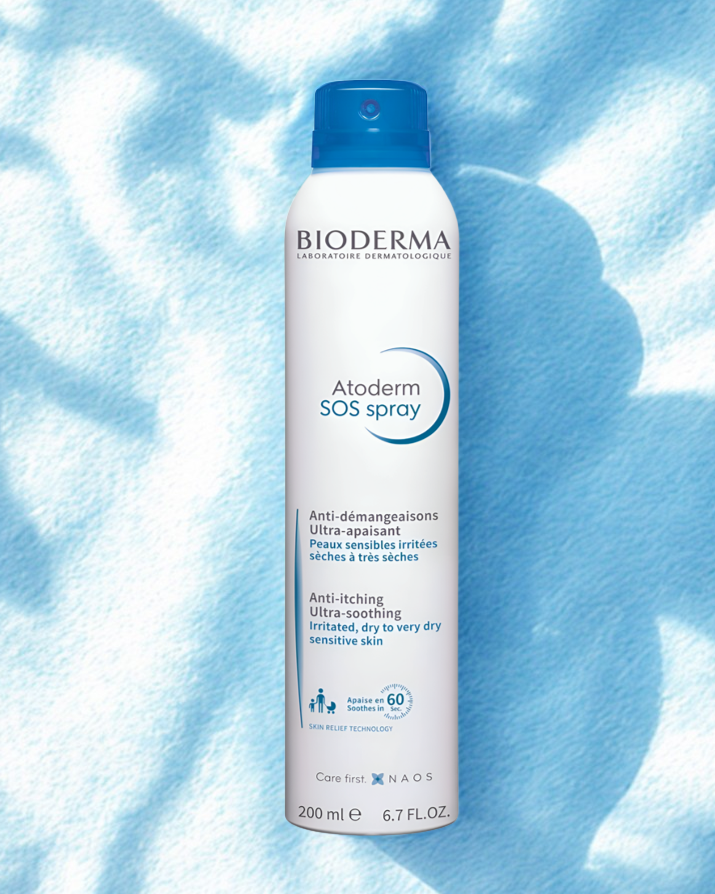
Bioderma Atoderm SOS Spray: A soothing mist that offers immediate relief for itchy or irritated skin, perfect during flare-ups or hot, humid days.
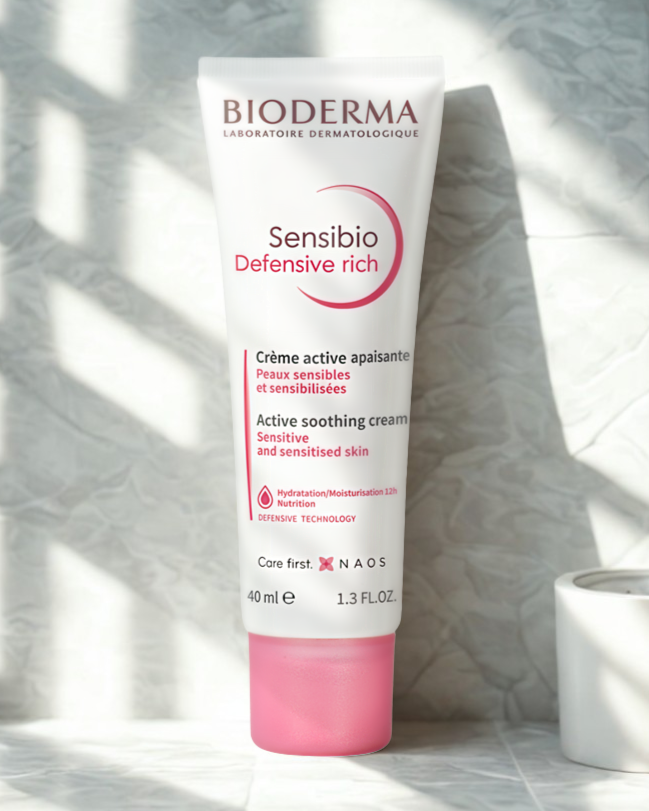
- Bioderma Sensibio Defensive Rich: For sensitive or reactive skin recovering from irritation, it helps restore comfort, calm redness, and reinforce the skin barrier. Use as a maintenance or soothing cream — but always finish any antifungal treatment first before relying on hydration-only care.
These products complement antifungal treatments; they do not replace them but support faster healing and long-term skin health.
Daily Dos and Don’ts
When managing or preventing fungal infections, integrating simple routines makes a big difference.
Do: Maintain clean, dry skin, wear breathable clothes, use flip-flops in communal areas, moisturize gently after treatment, and complete all prescribed medications.
Don’t: Scratch or pick at infected areas, share personal items, wear tight non-breathable clothing, or apply heavy oils and creams during active infection, as they trap moisture and encourage fungal growth.
By incorporating these habits, you can reduce the risk of recurrence and maintain healthy, comfortable skin — even in humid climates like the UAE.
Why Fungal Infections Are Prevalent in the UAE
The UAE’s hot, humid environment creates ideal conditions for fungal growth. Add in sweat, gym sessions, closed shoes, and poorly ventilated spaces, and fungal infections can become frequent for many residents. Rising global temperatures may also be contributing to increased fungal outbreaks.
Early detection, proper treatment, and supportive skincare are the keys to keeping infections at bay, especially in climates where fungi thrive.
Final Thoughts from The Watermelon
Fungal skin infections are common, recurring, and uncomfortable — but they’re manageable with the right combination of hygiene, treatment, and skincare support. By recognizing early signs, following medical advice, and using gentle moisturizers like Bioderma Atoderm Intensive Balm and SOS Spray, you can support your skin’s recovery and prevent flare-ups.
At The Watermelon, we’re here to help you navigate skincare challenges in the UAE, providing tips, expert advice, and carefully curated products to keep your skin healthy, comfortable, and confident — even in the hottest months.
For Additional Reading:
0 comments