

Sensitive or reactive skin can feel like it has a mind of its own. One wrong ingredient, a windy day, a hot shower, or even emotional stress — and suddenly your face is red, tight, or burning. The good news? Once you understand why your skin behaves this way and build a predictable routine, it becomes far easier to manage.
What Sensitive Skin Really Means
Sensitive skin isn’t a formal medical diagnosis — it’s a pattern. Dermatology resources like DermNet describe it as skin that reacts easily with burning, stinging, itching, flushing, or redness when exposed to products or environmental changes.
Sometimes it is genetic. Sometimes it’s linked to conditions such as eczema, contact dermatitis, or rosacea. And sometimes it’s simply a damaged barrier reacting to things your skin would normally tolerate.
At its core, sensitive skin is reduced tolerance. What bothers you may not bother anyone else.
Early Signs Your Skin Is Becoming Reactive
You don’t need a dermatologist to notice these signals. Look for:
- Redness after cleansing, exfoliating, or going out in cold wind
- Tightness or burning after applying skincare
- Small bumps, patchy irritation, or dry rough areas
- Flushing with heat, spicy food, or emotional stress
- Unpredictable reactions to “normal” skincare
If these symptoms happen more often than not, your skin is likely in a sensitized or reactive phase and needs gentler care.
Why Sensitive Skin Happens (Science Made Simple)
Research shows that most sensitive skin comes down to two things:
1. A weakened skin barrier
Your barrier is the outer layer that keeps moisture in and irritants out. When it’s damaged by harsh cleansers, acids, hot water, exfoliation, or overuse of actives, tiny cracks allow irritants to enter and nerves underneath become exposed.
Source: https://www.ncbi.nlm.nih.gov/pmc/articles/PMC6534340/
2. Heightened nerve reactivity (neuro-inflammation)
When nerve endings are irritated, even mild ingredients can sting, burn, or feel hot.
Together, these lead to the classic “reactive” feeling.
Stages of Sensitive Skin
Not everyone experiences sensitivity the same way. It usually progresses through stages:
Stage 1: Susceptible / Mild Sensitivity
Occasional redness or burning. Happens mostly with new products or weather changes.
Stage 2: Sensitized Skin
Barrier damage increases. Reactions become predictable and frequent. Even simple moisturizers may sting.
Stage 3: Reactive / Chronic Sensitivity
Persistent redness, flushing, burning, or stinging. Triggers expand. Underlying inflammation or conditions (like rosacea or eczema) may emerge.
Knowing your stage helps you choose the right routine and avoid overwhelming your skin.
Best Treatment Approach for Sensitive Reactive Skin
Treat sensitive skin like a shy cat: calm environment, slow movements, and zero surprises.
1. Simplify your routine
Cut back to basics. Dermatologists recommend a minimalist approach to allow the barrier to repair.
2. Focus on barrier-repair ingredients.
Look for
- Ceramides
-
Glycerin
-
Niacinamide
-
Hyaluronic acid
-
Fatty acids
-
Shea butter -These restore strength and reduce reactivity.
3. Avoid common triggers
Fragrance, scrubs, alcohol-heavy toners, harsh foaming cleansers, and too many actives (AHA/BHA, retinoids).
4. Introduce new products slowly
Patch-test on the forearm for 48–72 hours before using on your face.
5. Protect from the sun
UV exposure is one of the biggest sensitivity triggers. Choose mineral or gentle chemical SPF.
6. Seek a dermatologist if symptoms worsen
For chronic redness or visible vessels, rosacea evaluation is important.
Best Bioderma & Esthederm Products for Sensitive or Reactive Skin
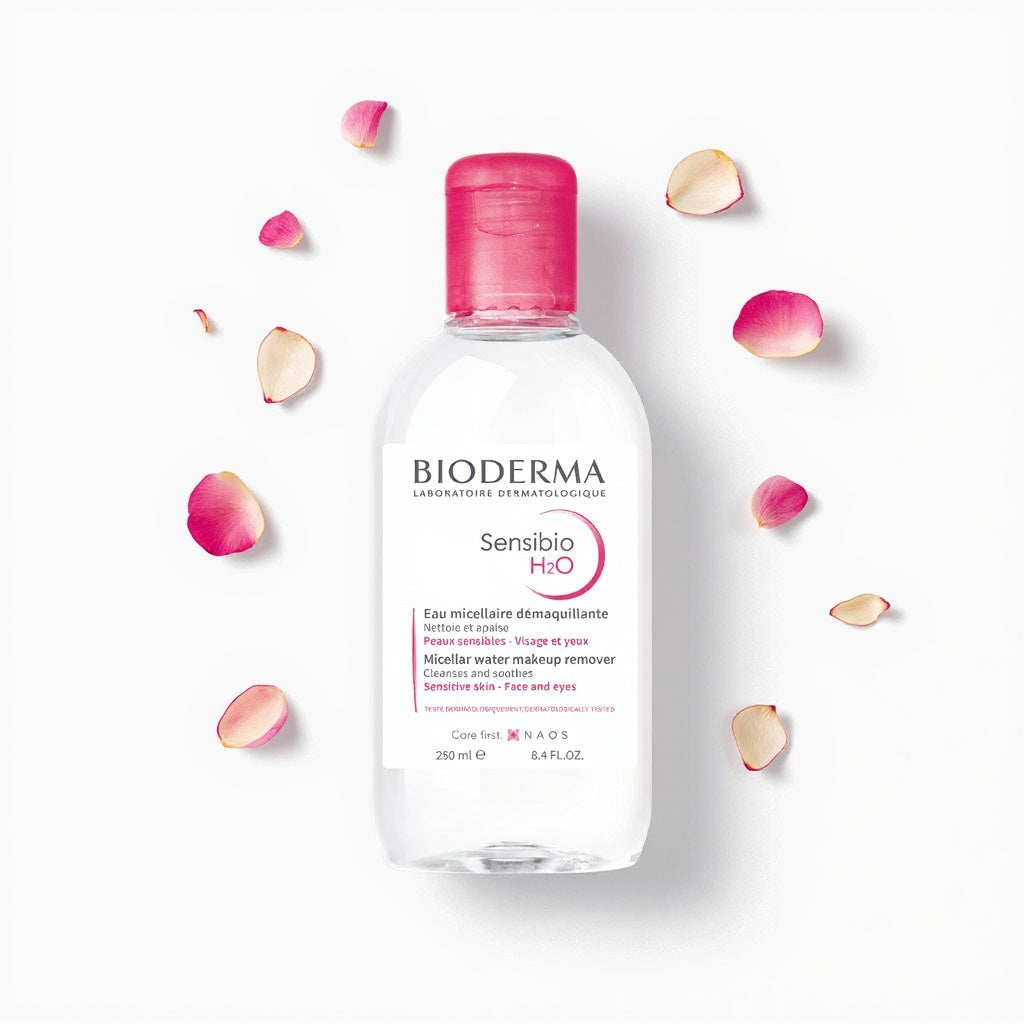
Bioderma Sensibio H2O – Best for Sensitive Skin
This micellar water is famous for a reason. It cleanses without rubbing, doesn’t need rinsing, and respects the skin barrier. Ideal for morning cleansing or removing makeup/sunscreen at night. It’s one of the most dermatologist-recommended products for sensitive skin globally.
________________________________________________________________________________________________
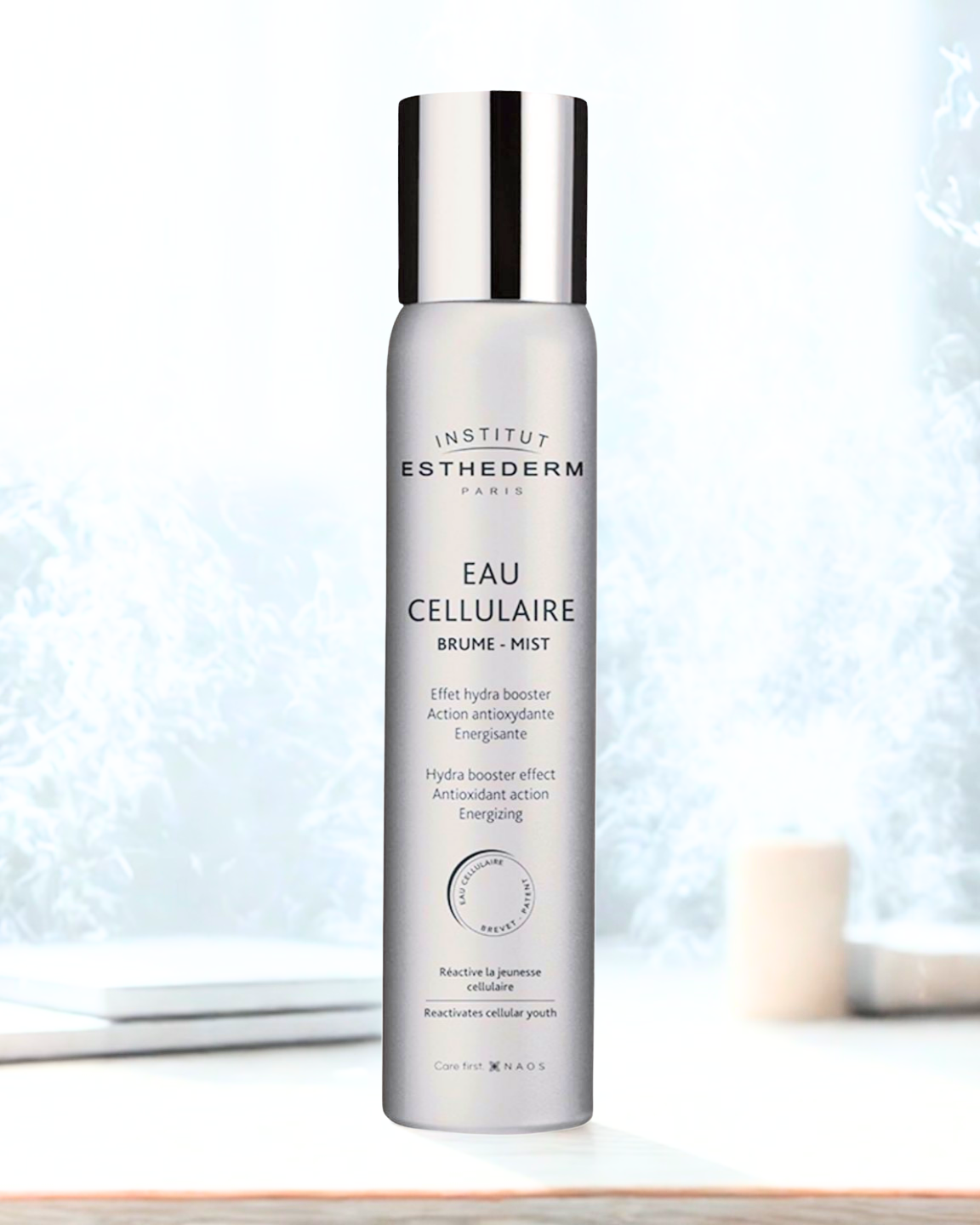
Esthederm Eau Cellulaire – Best for Reactivity & Redness
Esthederm’s calming range is designed to reduce inflammation, soothe redness, and help skin rebuild tolerance. Their biomimetic formulations mimic the skin’s natural environment, which reduces irritation and supports long-term comfort.
Do’s & Don’ts for Sensitive Skin
Do:
- Use fragrance-free, gentle cleansers
- Moisturize twice daily
- Patch-test new products
- Wear sunscreen every day
- Keep a consistent routine
Don’t:
- Over-exfoliate
- Layer multiple actives
- Change products too quickly
- Use scrubs or harsh clay masks
- Ignore persistent redness
A Gentle Routine for Daily Use
Morning
-
Bioderma Sensibio H2O Micellar Water Cleanser
Night
This simple structure keeps the barrier intact and minimizes flare-ups.
The Bioderma Sensibio Range - Designed for Sensitive Skin Types
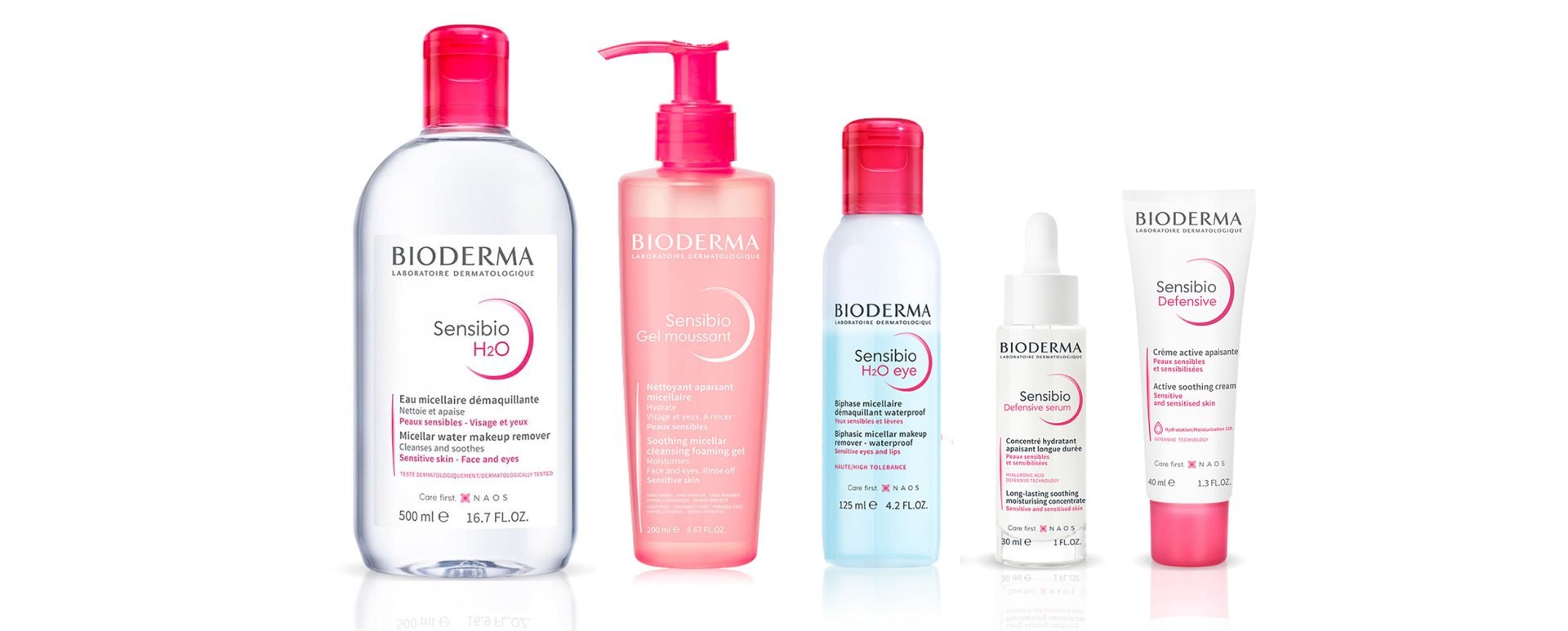
The Bioderma Sensibio range is carefully designed for sensitive and reactive skin, using minimal, soothing, and scientifically supported ingredients that calm irritation without overwhelming the skin. Every formula in the Sensibio family focuses on strengthening the skin barrier, reducing redness, and improving overall tolerance to everyday triggers like heat, wind, or cosmetics. Whether someone struggles with burning, stinging, dryness, or sudden flare-ups, Sensibio offers gentle, dermatologist-approved solutions that cleanse, hydrate, and protect — making it the go-to range for anyone with sensitive or easily irritated skin.
________________________________________________________________________________________________
When You Should See a Doctor
If you ever experience sudden severe reactions like swelling, blistering, or painful burning, or if persistent redness refuses to settle, it’s time to see a dermatologist. The same applies if you suspect an allergy or notice visible blood vessels, which may indicate rosacea. A dermatologist can perform patch testing, prescribe anti-inflammatory treatments, and identify any underlying conditions so you can manage your skin safely and effectively.
Final Thoughts
Sensitive skin isn’t “bad skin” — it’s skin that needs kindness and consistency. With the right products, fewer irritants, and a predictable routine, reactive skin can become calm, comfortable, and stable again. Start slow, repair the barrier, and your skin will reward you.
0 comments