

We often lump all skin reactions under “sensitive skin,” but allergies are more specific. When your skin is exposed to certain molecules — found in cosmetics, cleansers, fragrances, or even environmental triggers — it can respond with inflammation, redness, itching, or burning. Allergy-prone skin isn’t just delicate; it’s hyper-reactive, signaling that your skin barrier is compromised.
Signs You Might Have Allergy-Prone Skin
A weakened barrier: Your skin isn’t protecting itself effectively, leaving it more vulnerable to irritants.
Overreactions to normal triggers: Mild cleansers, detergents, fragrances, or even water may cause flare-ups.
Physical discomfort: Tingling, stinging, tightness, visible redness, or swelling are common signals that your skin is on high alert.
Common Triggers to Watch For
- Harsh soaps and surfactants
- Preservatives such as parabens or formaldehyde-releasers
- Fragrances and essential oils
- Alcohols and high concentrations of active ingredients like retinoids or AHAs
- Environmental factors: heat or cold, sun exposure, pollution, and friction from clothing
Even everyday habits — like over-exfoliating, skipping moisturizers, or using heavily fragranced products — can worsen reactions. (WebMD)
Gentle Care Strategies for Allergy-Prone Skin
When your skin constantly feels on edge, the best approach is minimalism. A gentle routine reduces triggers, helps rebuild the skin barrier, and restores comfort.
1. Keep Cleansing Ultra-Gentle
Choose fragrance-free, surfactant-free, or mild micellar cleansers. Avoid harsh scrubs or foaming cleansers that strip natural oils. Bioderma’s Sensibio H2O Micellar Water is a great example — it removes impurities and makeup without irritating delicate skin.
2. Moisturize Frequently
A compromised barrier needs hydration and protection. Look for products rich in emollients and humectants that reinforce the skin’s defenses. Products like Bioderma Sensibio Defensive Light Cream or Esthederm Cellular Water Cream not only hydrate but also calm irritation and prevent water loss.
3. Simplify Your Routine
Skip toners, strong acids, and fragranced products. Fewer ingredients mean fewer chances of a reaction. Stick to a consistent, minimal routine: cleanser, barrier-repair serum, moisturizer, and SPF during the day.
4. Protect Against Environmental Stress
Sun, pollution, and weather extremes can trigger flare-ups. Use mineral-based or allergy-safe sunscreens and avoid tight or rough clothing that can cause friction.
5. Patch-Test New Products
Always trial new creams or serums on a small area — the inner arm or behind the ear — before full application. This simple step prevents large-scale reactions.
Why Products Trigger Allergies
Even products labeled “hypoallergenic” or “dermatologist tested” can cause flare-ups. Here’s why:
- Fragrances & essential oils: Often marketed as “natural,” yet common culprits for allergic reactions.
- Harsh preservatives: Used to prolong shelf life but can irritate reactive skin.
- Active ingredients: Strong acids, retinoids, or exfoliants can compromise the skin barrier.
- Over-cleansing: Strips protective oils and damages the barrier, making skin more reactive.
The key takeaway: choose fragrance-free, minimal-ingredient, barrier-supportive products and always patch-test.
Top Bioderma & Esthederm Products for Sensitive, Allergy-Prone Skin
Here are dermatologist-recommended options available at The Watermelon.

1. Bioderma Sensibio H2O Micellar Water
A gentle cleanser that removes dirt and makeup without irritation. Ideal for first-step cleansing, especially if your skin flares easily.
2. Bioderma Sensibio Defensive Face Serum
Strengthens the skin barrier, reduces sensitivity, and protects against environmental aggressors. Perfect for reinforcing skin defenses.
3. Bioderma Sensibio Defensive
Lightweight but soothing, ideal for daily hydration without heavy textures that may irritate sensitive skin.
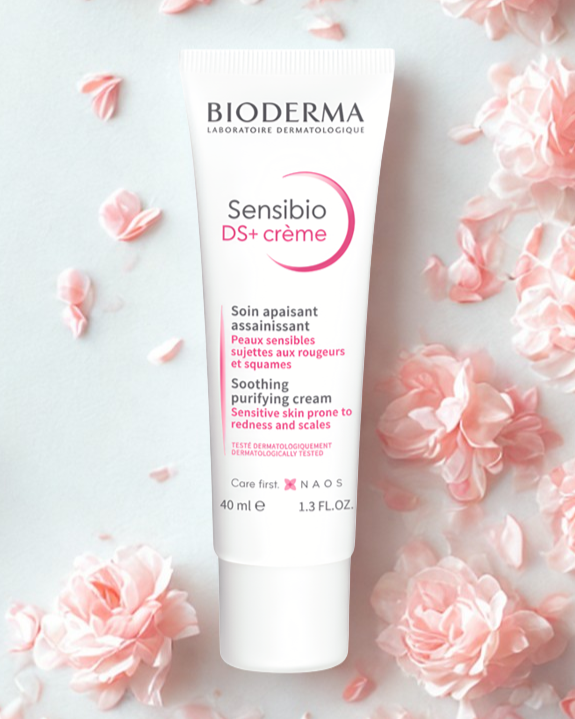
4. Bioderma Sensibio DS+ Creme
Calms redness and prevents vasodilation, which reduces visible allergy-related redness.
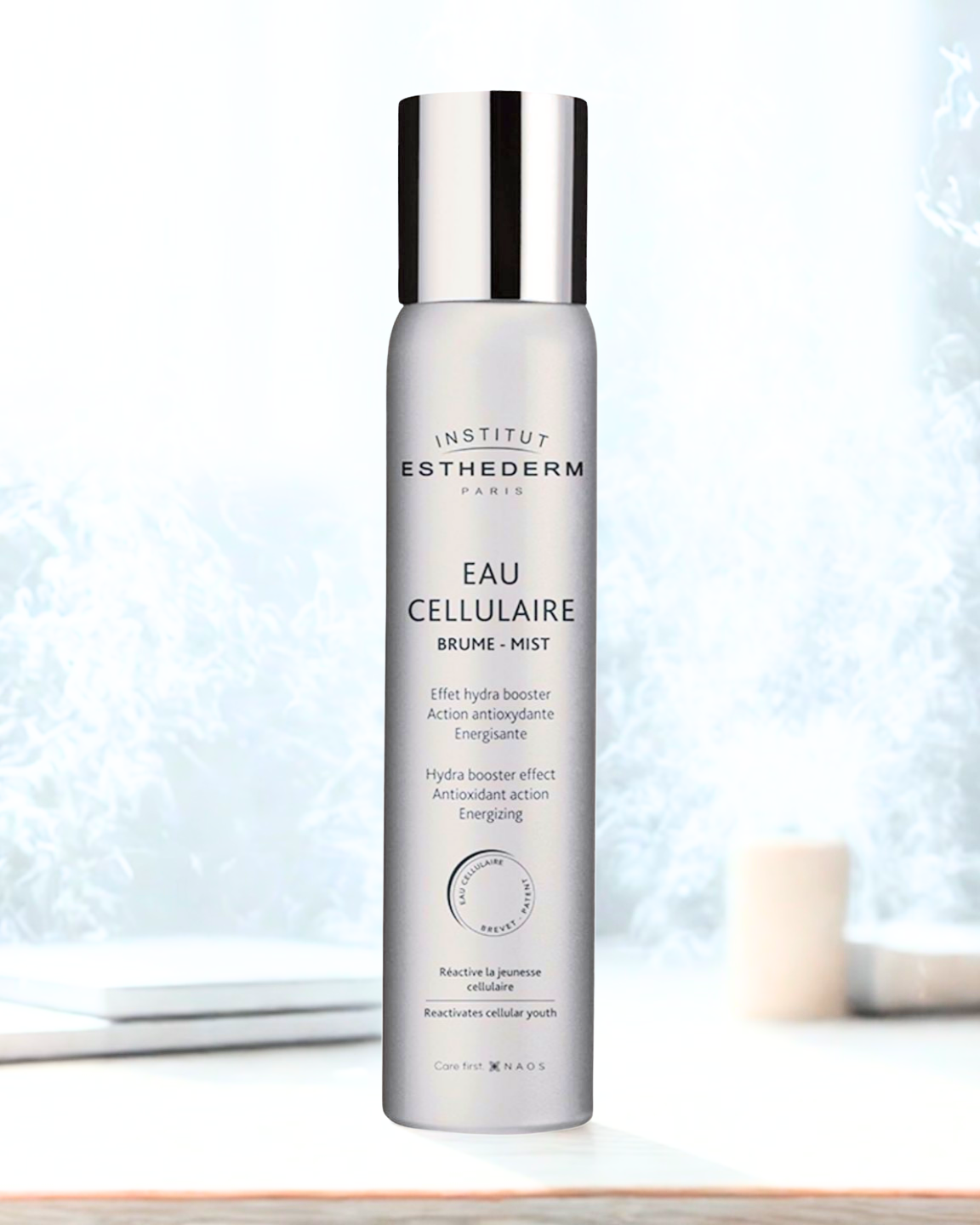
5. Esthederm Eau Cellulaire Brume Mist
Hydrate, restore water balance, and shield skin from environmental stressors. The mist is particularly handy for on-the-go hydration.
These products focus on hydration, barrier repair, and minimal irritation, making them perfect for allergy-prone skin.
Building a Gentle Allergy-Friendly Routine
Morning & Evening: Cleanse gently with micellar water or a mild non-foaming cleanser.
After Cleansing: Apply a barrier-repair serum like Sensibio Defensive or a calming mist.
Moisturize: Use a soothing cream like Sensibio DS+ Creme.
Daytime Protection: Apply a gentle, allergy-safe sunscreen.
During Flare-Ups: Skip actives, apply calming creams, and maintain hydration.
Lifestyle Tips: Avoid fragranced soaps, harsh detergents, extreme temperatures, tight clothing, and friction.
The Sensibio range for Sensitive Skin
The Sensibio range is specially formulated for sensitive skin prone to allergies. Each product is designed to soothe, calm, and protect the skin’s natural barrier while minimizing the risk of irritation. Dermatologist recommended, it helps reduce redness and discomfort, making it ideal for those who need gentle, allergy-friendly skincare.
When to See a Dermatologist
If reactions are frequent, persistent, or severe, consult a dermatologist. Patch tests can pinpoint triggers such as preservatives, fragrances, or environmental factors. Even gentle routines require patience — barrier repair and re-training tolerance takes weeks. (Bupa)
FAQ
Q: Does “hypoallergenic” mean safe for allergic skin?
Not always. Check the ingredient list and patch-test first.
Q: Should I use steroid cream if I react?
Mild reactions may improve with minimal care; persistent reactions need a dermatologist’s guidance.
Q: Can sunscreen trigger allergies?
Yes — choose physical/mineral sunscreens and patch-test first.
Q: I tried ‘sensitive skin’ products but still react. Now what?
Simplify your routine, patch-test, or consult a dermatologist for possible contact dermatitis.
Q: Can I use serums?
Only barrier-supportive serums without strong actives; otherwise, skip until skin calms.
Final Thoughts
Skin allergies aren’t just inconvenient; they signal a compromised skin barrier. By simplifying your routine, choosing gentle, dermatologist-recommended products, and focusing on hydration and barrier repair, you can regain calm, balanced, and comfortable skin.
0 comments