

Skin cancer is the most common cancer in the world — but it’s also one of the most preventable and most treatable when detected early. Most people imagine dramatic, scary changes on the skin… but the truth is, many skin cancers start quietly. A tiny bump. A mole that looks “a bit off.” A spot you keep scratching. Catching these early can literally save your life.
This guide breaks down what skin cancer looks like, how to monitor changes, the stages of each type, when to see a doctor, and the simple dos and don’ts that actually make a difference. You’ll also find the best Bioderma and Esthederm products for skin protection, because 80–90% of skin cancers are linked to UV exposure — meaning prevention is in your hands every day.
What Is Skin Cancer?
Skin cancer happens when skin cells begin to grow abnormally, often because of DNA damage from UV radiation (sun or tanning beds). The three major types are:
-
Basal Cell Carcinoma (BCC): the most common; slow-growing; rarely spreads.
-
Squamous Cell Carcinoma (SCC): can grow deeper and spread if ignored.
-
Melanoma: the most dangerous; can spread quickly; early detection is crucial.
While the word “cancer” feels heavy, many skin cancers discovered early can be removed with minimal treatment and excellent outcomes.
Early Warning Signs: How to Identify Skin Cancer
Skin cancer doesn’t always hurt. It doesn’t always bleed. Sometimes it looks like nothing at all. That’s why dermatologists recommend the ABCDE method when checking moles:
-
A – Asymmetry: one half doesn’t match the other
-
B – Border: irregular, jagged, or blurry edges
-
C – Color: uneven shades of brown, black, red, white, or blue
-
D – Diameter: bigger than 6 mm, although melanomas can be smaller
-
E – Evolving: growing, darkening, itching, or changing in any way
Other signs to watch for:
- A shiny or pearly bump (classic BCC)
- A scaly, crusty patch that doesn’t heal (SCC)
- A sore that bleeds and keeps coming back
- A mole that suddenly starts itching or bleeding
- A pink “pimple” that never disappears
If something feels odd, new, or not healing, it deserves a doctor’s eyes.
Stages of Skin Cancer
Understanding stages helps you know why early action matters:
Basal Cell & Squamous Cell Carcinoma (Non-melanoma)
These don’t follow the same staging system as melanoma. Instead, doctors classify them based on tumor size, depth, and whether they’ve spread.
Most BCCs and SCCs are found when they are still local — meaning easily treatable.
Melanoma Stages (0–IV)
-
Stage 0 (In Situ): cancer is only in the top layer of the skin
-
Stage I: small, thin melanoma — high cure rate
-
Stage II: thicker melanoma but still hasn’t spread
-
Stage III: spread to nearby lymph nodes
-
Stage IV: spread to distant organs (lungs, liver, brain)
The earlier it’s caught, the simpler the treatment — often just surgical removal.
Best Treatment Options (What Dermatologists Do)
Treatment depends on the type and stage of cancer. Common options include:
1. Surgical Excision
The most common method: the doctor cuts out the cancer and a margin of healthy skin.
2. Mohs Surgery
Best for delicate areas like the face. The surgeon removes the cancer layer by layer, checking each layer under a microscope. It keeps as much healthy skin as possible.
3. Cryotherapy
Freezing small SCC or precancerous lesions (actinic keratoses).
4. Topical Prescription Treatments
Creams like imiquimod or fluorouracil for superficial cancers.
5. Radiation or Systemic Therapy
Used for advanced cases when surgery isn’t possible.
6. Melanoma-Specific Therapy
Includes immunotherapy or targeted therapy — especially for Stage III and IV.
Important: cosmetic products cannot treat skin cancer. They only help soothe or protect skin around treated areas.
Products for Prevention & Support
Since UV exposure is the #1 cause of skin cancer, sun protection is your biggest weapon.

Bioderma Photoderm (SPF 50+ Range)
Dermatologist-loved for its stable UV filters and good tolerability on sensitive skin.
Great for: daily facial use, post-treatment protection, pigmentation-prone skin.
It’s relevant because it Prevents UV-induced DNA damage, Protects treated areas from darkening and Reduces recurrence risk of precancerous lesions.
_______________________________________________________________________________________________
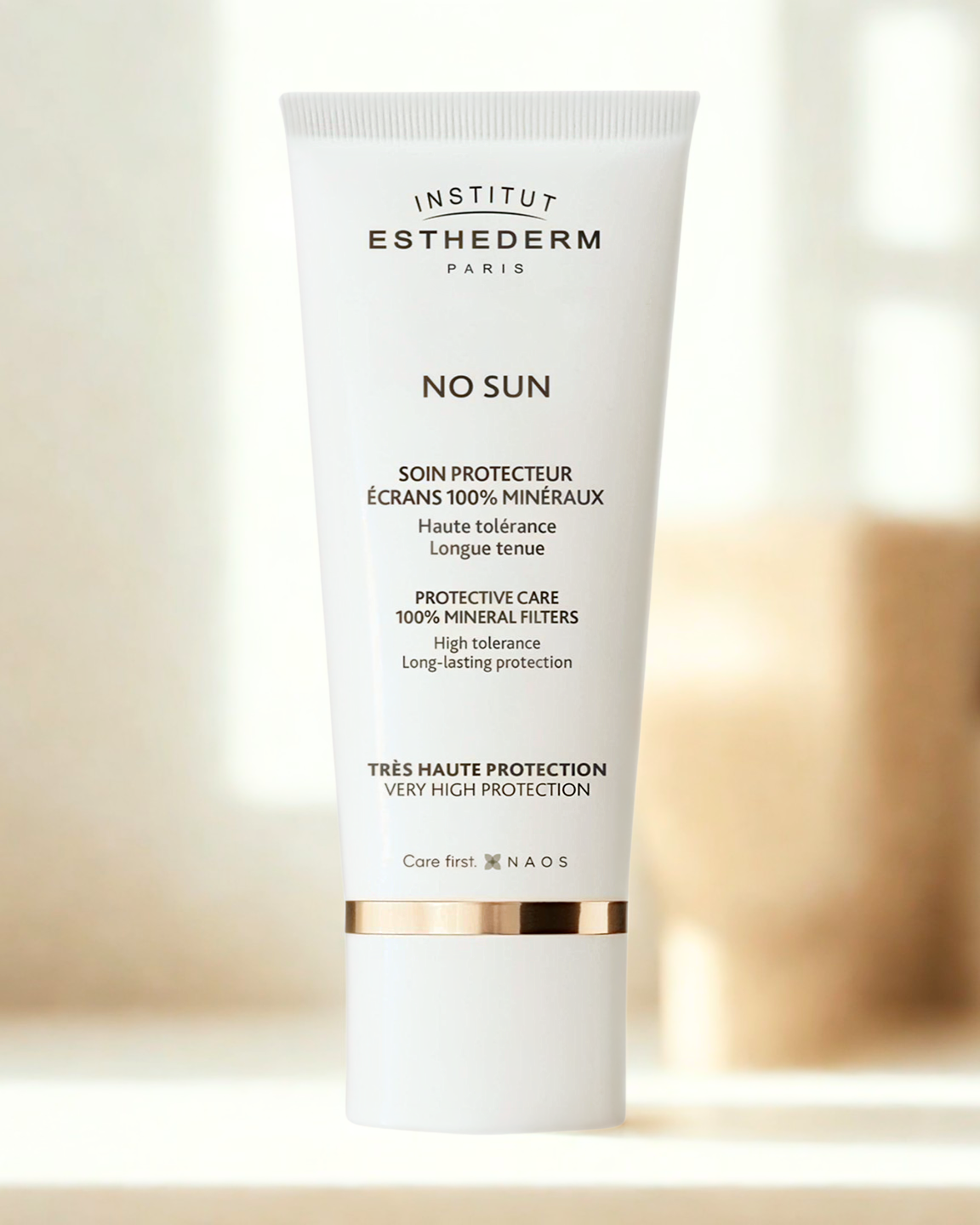
Esthederm No Sun
Esthederm’s sun care is famous for advanced cellular protection.
Great for Sun-sensitive skin, Areas treated for actinic keratoses or SCC and Anti-aging + anti-DNA damage goals
Both brands support the skin barrier but never replace medical treatment.
Dos and Don’ts (Simple, Lifesaving Habits)
DO:
- Do wear SPF 50 every single day (face, neck, hands).
- Do reapply sunscreen outdoors every 2 hours.
- Do get yearly full-body skin checks.
- Do take photos of suspicious spots to monitor change.
- Do protect children’s skin — early UV exposure has lifelong impact.
DON’T:
- Don’t ignore a mole that’s changing — ever.
- Don’t use tanning beds (major melanoma trigger).
- Don’t assume “small” equals harmless.
- Don’t try to diagnose yourself on Google images.
- Don’t cover a suspicious lesion with makeup for months.
Who Is at Higher Risk?
You’re more likely to develop skin cancer if you have very fair skin, red or blond hair, a family history of skin cancer, frequent sunburns, outdoor lifestyles, many moles, atypical moles, weak immunity, or a history of tanning-bed use have a higher risk of developing skin cancer. But remember, medium and darker skin tones aren’t exempt — especially when it comes to SCC — and it’s often detected later because many assume they’re “safe.”
When to See a Doctor
See a doctor if a mole changes in size, color, or shape, if a spot bleeds without reason, a wound doesn’t heal in 3–4 weeks, you feel a new rough patch, or a mole suddenly starts itching or burning. A quick check now can prevent a bigger treatment later.
Helpful Resources
For trusted information:
- American Cancer Society – https://www.cancer.org
- Skin Cancer Foundation – https://www.skincancer.org
Final Takeaway
Skin cancer is common, but highly preventable and often highly treatable when caught early. Understanding what to look for, protecting your skin daily, and acting quickly on changes can save your skin — and sometimes your life. Use a high-quality sunscreen every day, keep an eye on your moles, and never hesitate to see a dermatologist when something looks “off.” Early action is everything.
0 comments