

Skin tags — those tiny, soft, harmless flaps of skin — love to show up uninvited. They tend to pop up on the neck, underarms, eyelids, under the breasts, and anywhere skin rubs. They’re medically harmless, but aesthetically… meh. Most people want them gone.
This guide breaks down what they are, why they appear, the safest removal options, and which Bioderma or Esthederm products can support the skin after removal (since skincare can’t “melt” skin tags away).
What Exactly Are Skin Tags?
Skin tags (scientifically called acrochordons) are benign skin growths made of collagen fibers and tiny blood vessels. Think of them as little “extra skin” that overstayed its welcome.
According to the medical consensus, they’re not dangerous, not contagious, and not caused by poor hygiene. The real triggers are usually mechanical friction and hormonal factors.
Learn more here:
Why Do Skin Tags Form?
Dermatologists have identified several major causes:
1. Friction
Skin rubbing on skin or clothing is the biggest trigger. This is why they’re common:
- On the neck (chains + collars)
- Underarms
- Inner thighs
- Under the breasts
- Eyelids
2. Genetics
Some people just get them. If your dad has them, there’s a solid chance you might, too.
3. Hormonal changes
Pregnancy, insulin resistance, obesity, and PCOS increase the chances of skin tags.
4. Age
They’re most common after 40. Basically, the older we get, the more “character” our skin collects.
5. Metabolic factors
Skin tags can be more common in people with:
- Type 2 diabetes
- High insulin levels
- Metabolic syndrome
Not dangerous, but worth checking in with a doctor if they appear suddenly and in large numbers.
Are Skin Tags Harmful?
Nope — in 99% of cases, they’re harmless. They don’t turn into cancer and they don’t infect the skin unless irritated.
However, removal becomes necessary when They snag on clothing, They bleed, They’re on the eyelid and interfere with blinking, They cause cosmetic concerns, They grow rapidly or look unusual (rare but worth checking)
A dermatologist can assess unusual growths in seconds.
Can Skincare Products Remove Skin Tags?
This is where we keep it honest — no Bioderma, Esthederm, or any skincare product can directly dissolve or remove skin tags.
Products can: Reduce friction, Soothe irritation, Support healing after professional removal, Maintain smooth, healthy skin to prevent further irritation.
But to remove a skin tag, you need a procedure.
How Skin Tags Are Removed (Dermatologist Methods)
1. Cryotherapy (Freezing)
Liquid nitrogen is applied to freeze the tag. It falls off within days.
2. Cauterization (Burning)
A heated instrument removes the tag instantly. Quick, neat, and common.
3. Snip Excision
A dermatologist uses sterile scissors. No pain (because they numb it).
4. Ligation (Cutting off blood supply)
They tie a tiny thread at the base; the tag shrivels and falls.
What NOT to do
- Don’t cut it at home
- Don’t tie dental floss around it
- Don’t use wart removers
- Don’t use acids
Those methods lead to infections and scars. Skincare customers genuinely appreciate this warning.
How to Prevent New Skin Tags
You can’t stop them entirely (genetics wins sometimes), but you can lower the chances.
1. Reduce friction
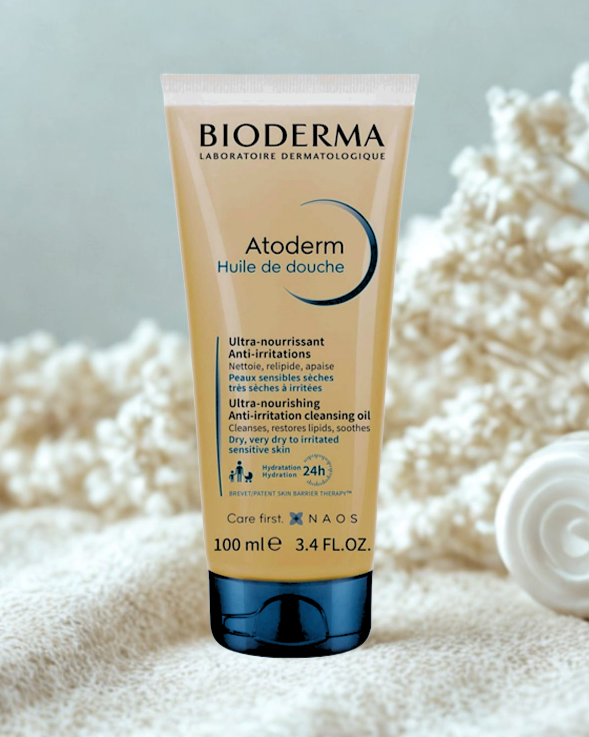
Use gentle, hydrating body cleansers (Bioderma Atoderm Shower Oil), Wear softer fabrics, Choose seamless lingerie, Keep the neck area moisturized to avoid collar friction.
2. Manage weight & insulin
If tags appear suddenly in large clusters, it may be related to insulin levels. Doctors often recommend checking blood sugar.
3. Moisturize regularly
Hydrated, smooth skin = less rubbing = fewer tags.
Your best option is Bioderma Atoderm Crème.
4. Avoid harsh products
Acids, scrubs, and retinoids don’t remove tags — they only irritate them.
5. Monitor areas with jewelry
Chains, pendants, and collars cause micro-friction. Moisturize the neck daily.
Best Post-Removal Skincare (Bioderma + Esthederm)
Even though products don’t remove skin tags, post-procedural care is extremely important. This is where your Bioderma & Esthederm lineup shines.
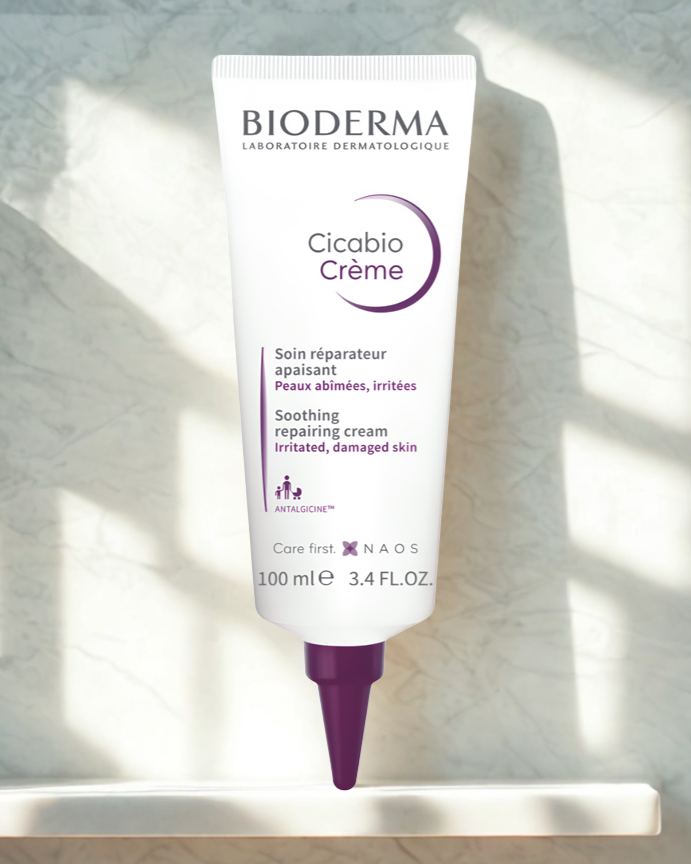
1. Bioderma Cicabio Crème — Best for Skin Tag Aftercare
The ideal choice once the dermatologist removes the tag.
Why it works:
- Accelerates skin repair
- Prevents scabbing
- Reduces redness
- Comforts stressed skin
Cicabio is dermatologist-recommended for minor wounds. Perfect, simple, and effective.
2. Bioderma Cicabio Arnica — If There’s Bruising or Tenderness
Useful after snip or cautery procedures.
Great for:
- Minimizing purple marks
- Reducing post-procedure sensitivity

3. Esthederm Eau Cellulaire Spray — For Gentle Soothing
Doesn’t “treat” the site but helps keep the healing area calm, hydrated, and fresh.
Good for sensitive zones like the neck and eyelids.
4. Bioderma Atoderm Shower Oil — Preventing Future Irritation
Since friction is a major cause, a gentle, lipid-rich cleanser helps reduce rubbing-related inflammation.
A smoother surface = fewer new tags.
When Should You See a Doctor?
Reach out to a dermatologist if:
A skin tag grows very fast
It bleeds on its own
It looks dark, firm, or irregular
It’s on the eyelid and obstructs blinking
You’re planning to remove it at home (don’t — just don’t)
Dermatologists can remove a tag in 2 minutes with minimal discomfort.
Final Thoughts
Skin tags are normal, harmless, and extremely common. They show up because of friction, hormones, age, and genetics — not because of anything you’re doing “wrong.” While skincare products won’t make them disappear, the right Bioderma and Esthederm essentials can help your skin heal beautifully after removal and reduce irritation that leads to new ones.
0 comments