

Rosacea is a delicate skin concern — not just “red cheeks.” It’s a chronic, vascular condition that causes persistent redness, flushing, visible blood vessels, and sometimes bumps. Because of this, your skincare needs to be extra gentle but effective. The goal is to soothe your skin, strengthen its barrier, and reduce triggers — without irritating it further.
Based on real dermatology-approved ingredients and clinically-tested formulas, here’s a Watermelon-approved routine + treatment strategy.
What Dermatologists Recommend for Rosacea Care
According to trusted sources, managing rosacea well involves:
- Using gentle, non-irritating cleansers and barrier-support moisturizers. Harsh cleansers or irritants (like high-concentration acids) can worsen symptoms.
- Choosing over-the-counter ingredients known to soothe redness, like niacinamide, licorice root extract, and green tea.
- Using medications when needed — for many, active prescription treatments (e.g., metronidazole, azelaic acid) are part of long-term management.
Watermelon-Approved Rosacea Routine
Here are products and a routine that support rosacea skin without making it worse. These are not prescription treatments but are thoughtfully chosen to be calming, barrier-repairing, and clinically supported.
Here are the top picks and their roles:

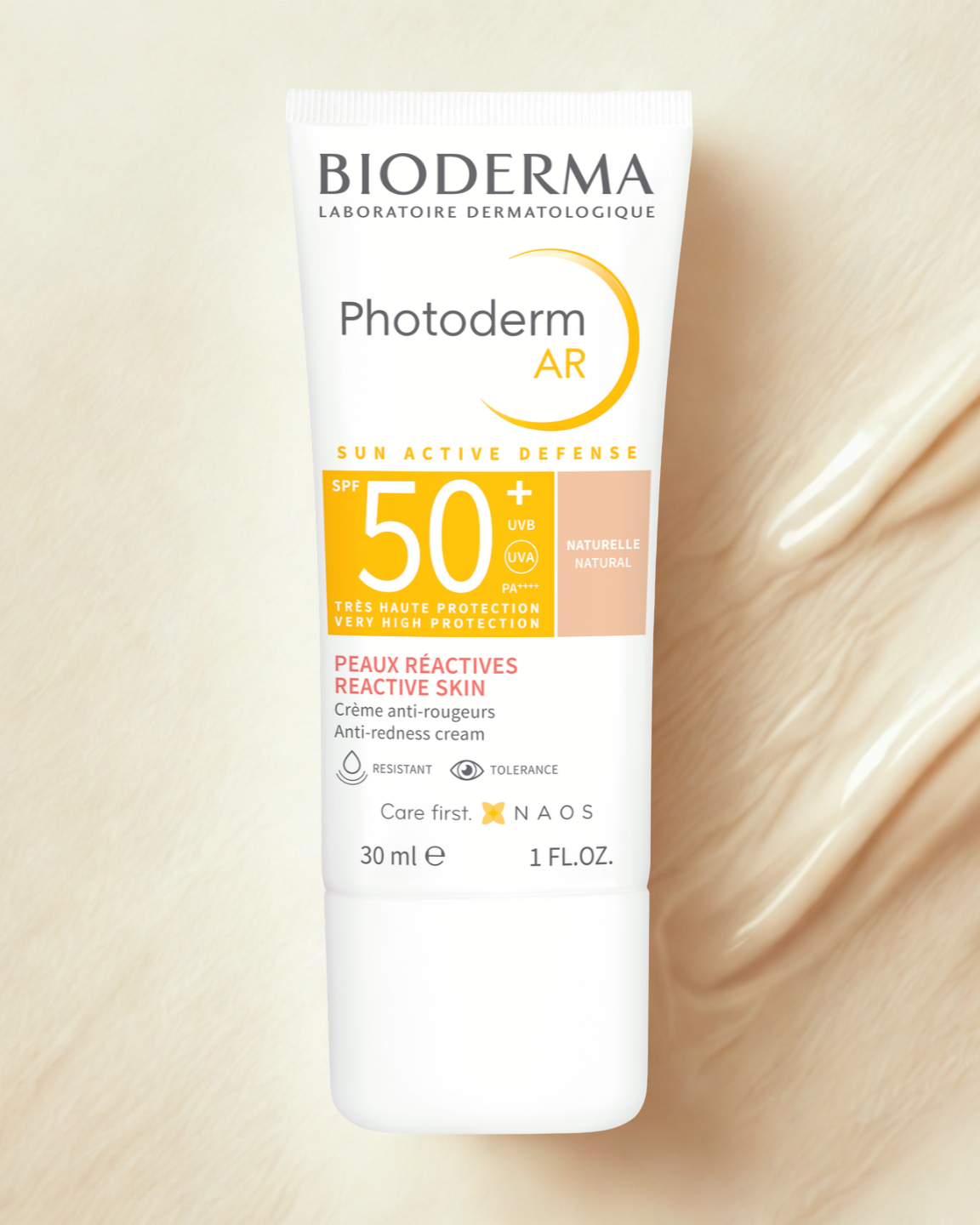
Bioderma Photoderm AR SPF 50+ — High-protection tinted sunscreen – Calms redness and evens skin tone for sensitive or rosacea-prone skin.
Bioderma Sensibio DS+ Gel Moussant. — This is a great anti-redness cleansing gel that’s designed for skin prone to red patches and scales. According to Bioderma, it “combats the proliferation of irritants” and “raises skin’s tolerance threshold.”
Bioderma Sensibio DS+ Crème. — Slightly richer than the gel, this can help with inflammation, especially if the skin feels dry or flaky alongside rosacea.
Bioderma Sebium Sensitive . — Even though "Sebium" is usually for oily skin, this specific formula is designed to be very gentle and non-comedogenic, suitable when skin is inflamed but still producing oil.
Suggested Routine (Morning & Night)
Morning:
-
Cleanse gently
Use a very mild, non-irritating cleanser like Bioderma Sensibio DS+ Gel Moussant. Watermelon tip: keep water lukewarm, not hot — heat aggravates rosacea. -
Calming / barrier serum or cream like Bioderma Sensibio DS+ Crème.
-
Moisturize
If your skin is daily sensitive, go for Bioderma Sebium Sensitive . -
Sun protection
Use a gentle, redness-safe sunscreen like Bioderma Photoderm AR or similar.
Night:
-
Cleanse gently again
Stick to the same cleanser to avoid stripping or shocking the skin. -
Soothing treatment
If your skin feels itchy, hot, or flared, use Bioderma Sensibio DS+ Crème.. This helps reduce inflammation and discomfort. -
Barrier repair
Seal in hydration and strengthen your skin overnight with Bioderma Sebium Sensitive . then a light layer of Atoderm Baume only on dry spots. -
Serum / Treatment If your skin tolerates, you can use Esthederm Intensive Propolis+ Zinc Serum-Lotion for anti-inflammatory support—but patch test first. Otherwise, skip actives at night and focus on hydration. Start slow with the Propolis+Zinc serum — every other night.
Verified Treatment Insights & When to Consider More Than Just Skincare
- For many with rosacea, OTC (over-the-counter) skincare helps a lot, but prescription treatments may still be needed for more severe or persistent symptoms. Dermatologists often prescribe metronidazole or azelaic acid to reduce inflammation and bumps.
- Always patch-test new products because rosacea skin can flare unexpectedly. This is especially important for active ingredients like niacinamide or plant extracts.
- Reduce trigger exposure: Rosacea flare-ups often worsen due to sun, heat, spicy food, and stress. Minimizing these can make a big difference.
Lifestyle Habits That Make a Noticeable Difference
Beyond skincare, the way you live also affects redness.
Try to:
- Reduce long, hot showers (warm is better).
- Limit spicy foods, alcohol, and extreme temperatures.
- Avoid sauna or steam rooms during flare-ups.
- Keep a diary to identify triggers — sometimes it’s surprising (like citrus or emotional stress).
These small adjustments help keep flare-ups predictable and easier to manage.
For your Further Research on Rosacea Skin
Updated clinical guideline covering diagnosis and topical/systemic treatments.
Recommendations on skincare product tolerability and efficacy for rosacea.
Final Thoughts
For rosacea, keep your routine minimal and calming, avoiding over-layering that can irritate the skin. Consistency matters — results take time, but gentle, regular care helps. Consult a dermatologist if redness persists beyond occasional flushing, as prescription treatments may be necessary. Finally, remember to manage triggers like diet, sun exposure, and stress, since skincare alone can’t address everything.
Rosacea: Frequently Asked Questions (FAQ)
What is rosacea?
A chronic skin condition that causes persistent redness, flushing, and sensitivity.
What commonly triggers rosacea flare-ups?
Sun exposure, heat, stress, spicy foods, and harsh skincare products.
Can rosacea be cured?
No, but it can be effectively managed with gentle skincare and daily sun protection.
Is sunscreen necessary for rosacea-prone skin?
Yes, UV exposure is a major trigger and daily sunscreen helps prevent flare-ups.
What skincare products are best for rosacea?
Gentle, fragrance-free, barrier-repairing products designed for sensitive skin.
0 comments