

Dry skin might seem like a small problem, but anyone who deals with tightness, flaking, or that uncomfortable “my face feels two sizes too small” feeling knows it can affect confidence just as much as comfort. The good news? Dry skin is one of the easiest conditions to treat once you understand what’s really going wrong inside the skin barrier.
This guide breaks down what causes dry skin, how to recognize early symptoms, and the best dermatologist-approved ways to repair it — including essential Bioderma and Esthederm products that are genuinely effective for restoring moisture and barrier strength.
Why Does Skin Become Dry in the First Place?
Dry skin (or xerosis) happens when the skin loses more water than it can replace. Your barrier — the protective layer made of lipids, ceramides, and fatty acids — becomes weaker, allowing hydration to escape. When this happens, your skin doesn’t just feel rough; it also becomes reactive, sensitive, and prone to irritation.
Low humidity, harsh soaps, frequent washing, and long hot showers are classic triggers. So are aging, genetics, and skin conditions like eczema or psoriasis. Even certain medications — isotretinoin, diuretics, or antihistamines — can dry out the skin from the inside out.
If you’d like the deeper science behind this process, the American Academy of Dermatology has a detailed breakdown here:
Spotting Dry Skin Early (Before It Gets Worse)
One of the most important things to know about dry skin is that it doesn’t appear suddenly. It progresses quietly, and if you catch the signs early, you can prevent the discomfort that usually develops later.
A subtle tightness after cleansing is often the first red flag. Makeup may start to sit on top of the skin instead of blending. Tiny flakes appear around the nose, cheeks, or mouth. Over time, dryness becomes more noticeable in air-conditioned rooms, cold weather, or after long showers. If left untreated, redness, irritation, and cracking can follow — especially around the hands, lips, and neck.
Healthcare sources like the Mayo Clinic outline these symptoms clearly:
How Dry Skin Progresses (Simple Breakdown)
Dry skin tends to move in a predictable pattern:
It starts with dehydration, where the skin feels tight and slightly dull.
Then comes surface dryness, where flakes appear and sensitivity increases.
Barrier breakdown is the next stage — redness, irritation, and that uncomfortable stinging sensation after washing.
And finally, inflammation, which resembles early eczema with cracks, rough patches, and discomfort.
Catching Stage 1 and Stage 2 early is the trick to preventing the rest.
A Simple Daily Routine to Follow
Morning Routine
A good morning routine prepares your skin for the day while preventing dryness from worsening.
1. Gentle Cleanser

Start with a non-stripping cleanser to refresh your skin without removing natural oils.
-
Bioderma Atoderm Gel Douche — great for everyday dryness; soap-free and barrier-friendly.
-
Esthederm Osmoclean Pure Cleansing Gel — rich and perfect if your skin feels extra tight in the mornings.
Both options keep the skin soft and comfortable before applying skincare.
2. Hydrating Serum (Optional but Helpful)
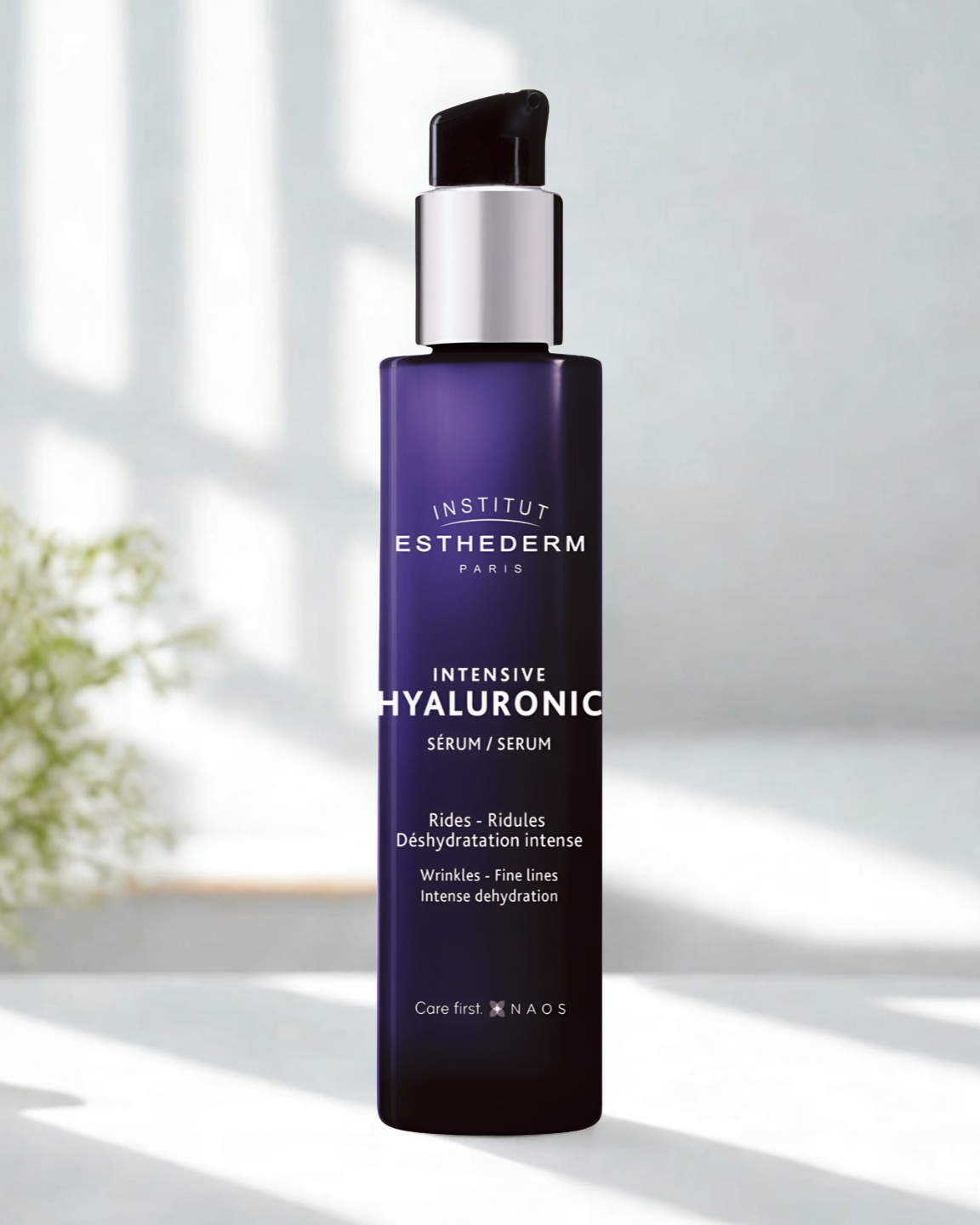
If your dryness comes with dehydration or fine lines:
-
Esthederm Intensive Hyaluronic Serum
Gives a surge of water-binding hyaluronic acid, helping the skin feel plump and cushioned.
You can skip this step if your skin is not dehydrated — but it's a great boost in colder weather or AC-heavy environments.
3. Rich Moisturizer

This is non-negotiable. You want something that restores lipids and seals in moisture.
-
Bioderma Atoderm Creme Ultra
A powerhouse for very dry, irritated, or sensitive skin. Repairs the barrier and keeps moisture locked in for hours. -
Esthederm Intensive Hyaluronic Cream
Perfect if your dryness comes with dullness or early fine lines. Feels luxurious and layers beautifully under makeup.
4. SPF 50 (Always!)
Dry skin is extra vulnerable to UV damage, which worsens roughness and irritation.
-
Bioderma Photoderm Aquafluid SPF 50+
Lightweight, invisible finish — amazing for daily use without greasiness.
Apply generously every morning, even if you’re indoors.
🌙 Night Routine
Evening skincare is about repairing damage from the day and giving your skin time to recover.
1. Cream or Oil Cleanser
Remove sunscreen, dust, and makeup without stripping the skin.
-
Esthederm Osmoclean Pure Cleansing Gel — melts away impurities while soothing tight skin.
-
Bioderma Atoderm Huile de Douche (Shower Oil) — doubles as a body cleanser and makeup-friendly face wash for dryness.
Both options leave the skin soft instead of squeaky.
2. Rich Moisturizer
Reapply your barrier cream to repair and strengthen the skin overnight.
-
Bioderma Atoderm Intensive Baume — fantastic for night use; calms irritation and seals moisture.
-
Esthederm Intensive Hyaluronic Cream — great if you want added plumpness and smoothness by morning.
3. Spot-Treat Dry Zones
If certain areas feel extra dry (corners of the nose, around the mouth, cheeks), add a thicker layer of moisturizer or balm. This helps prevent cracking and irritation.
4. Twice a Week: Hydrating Mask
Adding a hydrating mask supercharges moisture levels.
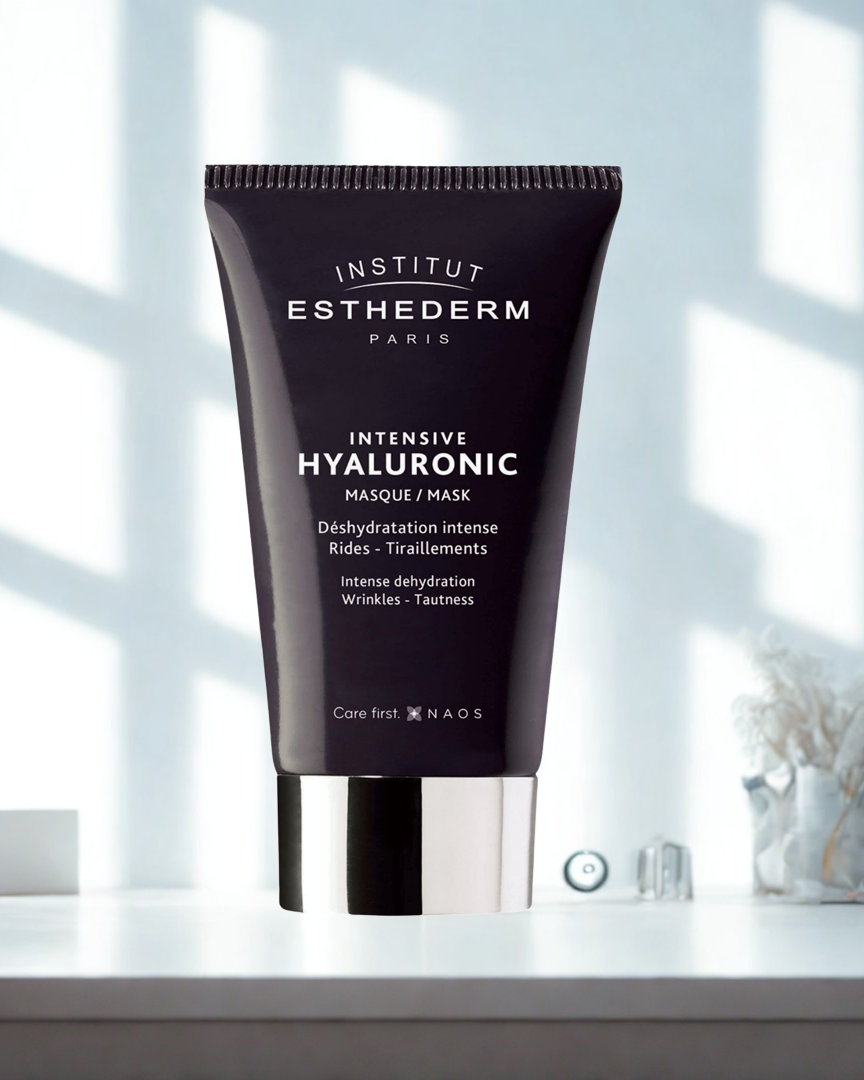
-
Esthederm Intensive Hyaluronic Mask
Deeply replenishes water levels and leaves skin bouncy and soothed.
Use it after cleansing and before moisturizer for maximum comfort.
When You Should See a Dermatologist
If your dryness turns painful, begins to crack, or becomes unresponsive to moisturizers, it may be time to see a dermatologist. Persistent redness, thick patches, or symptoms resembling eczema also deserve medical evaluation.
Dry skin isn’t dangerous, but untreated dryness can weaken the skin barrier long-term — and that leads to a cycle of irritation, redness, and sensitivity.
Final Thoughts
Dry skin is more than a seasonal annoyance — it’s a signal that your skin barrier needs attention. With the right routine and consistent care, you can keep your skin smooth, healthy, and protected all year round. Bioderma and Institut Esthederm offer some of the most trusted formulas for restoring comfort and moisture without overwhelming the skin.
0 comments