

If you’ve ever noticed tiny white flakes drifting from your scalp onto your shoulders, you know the frustration of dandruff. Beyond being a cosmetic issue, dandruff can signal that your scalp’s delicate ecosystem is out of balance. Whether it’s caused by yeast overgrowth, excess oil, dryness, or harsh products, persistent flakes can impact your confidence and comfort.
The good news? Understanding why dandruff happens and taking a holistic approach to scalp care can significantly reduce flakes and irritation.
What is Dandruff?
Dandruff is a common scalp condition characterized by flaky, sometimes itchy skin. It can range from mild, barely noticeable flakes to severe scaling that covers large areas of the scalp.
At the root of many cases is a naturally occurring yeast called Malassezia. Under certain conditions — excess oil, a compromised scalp barrier, or environmental stressors — this yeast overgrows. The result is accelerated skin-cell turnover, inflammation, and the visible flakes we all want to avoid.
Dandruff can manifest in different ways:
-
Greasy, itchy scalp with visible flakes: Often due to oil accumulation and Malassezia overgrowth.
-
Dry, powdery flakes: Common in people with dry scalp or over-washing habits.
-
Persistent dandruff despite washing: Signals an underlying imbalance requiring targeted scalp care.
Why Dandruff Happens: Common Triggers
1. Sebum & Oil Imbalance
Overactive sebaceous glands can create excess oil, feeding Malassezia and causing scalp irritation and flaking.
2. Sensitive or Compromised Scalp Barrier
Frequent use of harsh shampoos, chemical treatments, or exposure to pollutants can weaken the scalp’s natural barrier. This makes it prone to dryness, irritation, and fungal overgrowth.
3. Lifestyle and Environmental Factors
Stress, hormonal shifts, diet deficiencies, or climatic conditions like hot, humid weather or dry air can all worsen dandruff.
4. Inappropriate Hair Care
Frequent shampooing, heavy styling products, and not rinsing properly can clog pores and irritate the scalp, contributing to flaking.
Effective Scalp Care for Dandruff
Treating dandruff successfully involves more than just washing your hair. The goal is to rebalance the scalp microbiome, regulate oil production, and soothe irritation.
Use dermatologist-approved anti-dandruff shampoos that target Malassezia and reduce excess sebum.
Choose gentle, non-stripping cleansers to avoid further barrier disruption.
Avoid over-washing, which can strip protective oils and trigger a rebound in sebum production.
Maintain scalp hygiene by massaging the scalp and rinsing thoroughly to remove buildup and pollutants.
Support scalp health through lifestyle: eat a nutrient-rich diet, stay hydrated, manage stress, and limit heat styling.
Consistency is key: most treatments require 2–3 washes per week, leaving the shampoo on the scalp for a few minutes to maximize efficacy.
Top Bioderma Products for Dandruff (Available at The Watermelon)
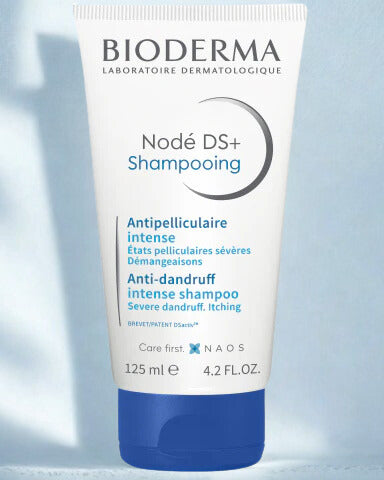
Bioderma Nodé DS+ Anti Dandruff Shampoo
Perfect for severe dandruff. Its patented DSactiv™ complex limits yeast growth, regulates sebum, and clears persistent flakes. Regular use reduces redness, itching, and scales.
________________________________________________________________________________________________
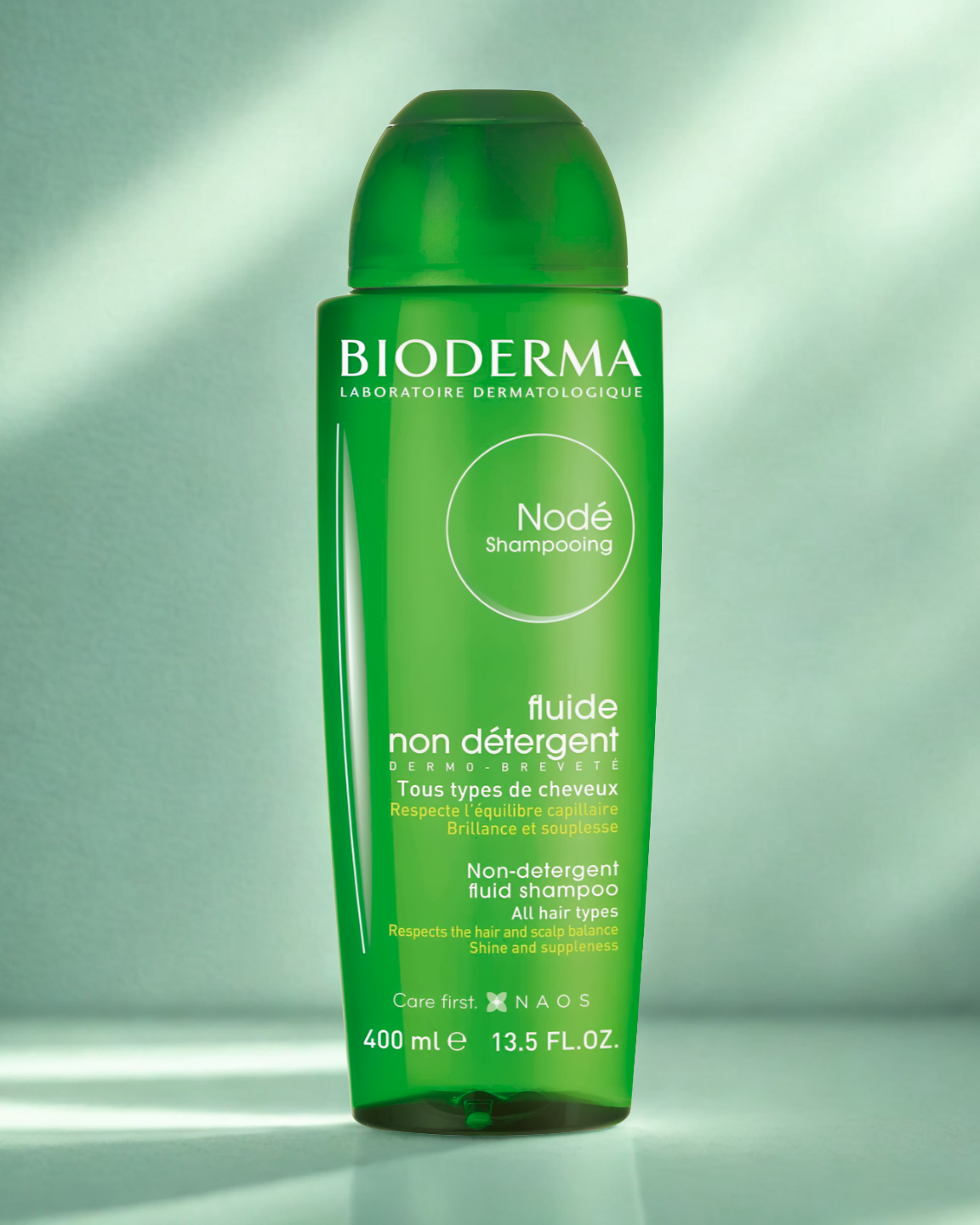
Bioderma Nodé Shampooing Fluide
A super-gentle shampoo that preserves the scalp’s natural protective film, perfect for sensitive or irritated scalps. Excellent as a follow-up or maintenance wash.
Lifestyle Tips to Support Scalp Health
Even the most effective shampoos and scalp treatments work best when paired with healthy habits. Here’s how to optimize your scalp care routine:
1. Eat a Nutrient-Rich Diet
Your hair and scalp are living tissues that rely on proper nutrition. Proteins, such as eggs, fish, and legumes, supply keratin — the building block of hair. Vitamins like A, C, D, and E support hair growth and scalp circulation, while minerals like zinc, iron, and selenium help prevent dryness and flaking. Omega-3 fatty acids found in fatty fish, flaxseed, and walnuts reduce inflammation and promote a healthy scalp barrier. A balanced diet not only nourishes your hair from within but also strengthens follicles, making them more resilient against stress and environmental factors.
2. Avoid Excessive Heat Styling or Chemical Treatments
Hot tools such as straighteners, curling irons, and blow dryers can strip natural oils from your scalp, weaken hair shafts, and trigger dryness or flaking. Similarly, chemical treatments like coloring, perming, or keratin smoothing can irritate the scalp and disrupt its natural barrier. Minimizing heat and chemical exposure helps maintain the scalp’s protective oils, reduces inflammation, and prevents dandruff flare-ups. When styling, always use heat protectant sprays and lower temperature settings, and allow hair to air-dry whenever possible.
3. Be Gentle When Washing and Brushing
Aggressive washing or brushing can irritate the scalp, damage hair follicles, and worsen dandruff. Use lukewarm water instead of hot water, and massage shampoo gently with fingertips rather than nails. When detangling, start from the ends and work your way up to minimize pulling. Soft bristle brushes or wide-tooth combs help prevent mechanical stress that can trigger flaking or hair breakage. Gentle handling preserves scalp integrity and keeps hair strong and healthy.
4. Stick to Moderate Washing Frequency
Both over-washing and under-washing can aggravate scalp issues. Washing too often strips the scalp of its natural oils, leading to dryness and a rebound overproduction of sebum. Washing too infrequently allows buildup of oil, dead skin cells, and styling products, creating an environment for yeast overgrowth. Most people benefit from washing 2–3 times per week with an anti-dandruff shampoo, alternating with a gentle, non-detergent cleanser for maintenance. This balance helps regulate oil production and maintain a healthy scalp ecosystem.
5. Manage Stress and Maintain Overall Health
Stress is a major contributor to dandruff, as it can disrupt hormonal balance and immune response, increasing scalp sensitivity and flaking. Incorporate stress-relief practices such as meditation, yoga, regular exercise, or even daily walks. Adequate sleep, hydration, and maintaining overall wellness are equally important. A healthy lifestyle supports not just hair and scalp, but your entire body’s resilience against inflammation and microbial imbalances.
When to See a Dermatologist
Frequently Asked Questions (FAQ)
Q: Can regular shampoos cause dandruff?
Yes. Harsh sulfates, strong fragrances, and high alkalinity can disrupt the scalp’s natural balance, leading to dryness, irritation, or overproduction of oil.
Q: How often should I wash my hair if I have dandruff?
2–3 times per week with an anti-dandruff shampoo is ideal. Alternate with a gentle shampoo for maintenance once the scalp is under control.
Q: Will anti-dandruff shampoos dry out my scalp or hair?
Some may, especially if overused. Using a non-detergent or soothing shampoo between treatments helps maintain balance.
Q: Can lifestyle changes reduce dandruff?
Yes. Proper nutrition, hydration, stress management, and gentle hair care all contribute to a healthier scalp and reduce flaking.
Q: Can dandruff lead to hair loss?
Dandruff itself rarely causes hair loss, but chronic scratching, inflammation, or severe scalp conditions may contribute to temporary shedding.
Conclusion
Dandruff may seem minor, but persistent flakes affect comfort, appearance, and confidence. With consistent scalp care, a balanced lifestyle, and dermatologist-approved products like the Bioderma Node range, you can restore a healthy, flake-free scalp.
For ecommerce businesses, offering these products not only addresses a common problem but also positions your brand as a trusted source for effective, dermatologist-recommended hair care solutions.
0 comments