

Hair loss isn’t always just “bad genes.” In fact, many people see thinning or shedding because of stress, hormonal changes, diet, or immune‑related triggers. When hair starts falling out — whether in patches or all over the scalp — it can feel heartbreaking. But understanding the cause is the first step toward managing it.
What is Alopecia — More Than One Kind
The term “alopecia” simply means hair loss. But under that umbrella are different conditions with different causes and patterns.
Alopecia Areata — When the Immune System Strikes
In Alopecia Areata, the body’s immune defenses mistakenly attack hair follicles. The result? Sudden, patchy hair loss — often in round or oval spots on the scalp. In some cases, it can even lead to total scalp hair loss.
What triggers it isn’t always clear. Genetics may play a role. For some people, stress, illness or other immune‑system changes might tip the balance. Because hair density can fall quickly, it’s often distressing — but the scalp skin at the bald spots usually stays smooth and non‑scarring.
Androgenetic Alopecia — The Genetic, Gradual Thinner
This is the “classic” pattern many associate with male or female pattern hair loss. Under androgenetic alopecia, hair follicles gradually shrink and produce thinner, shorter hair strands — a process often driven by hormones and genetic predisposition.
In men, this often starts with receding hairlines or thinning at the crown; in women, thinning tends to happen more diffusely at the top of the scalp rather than a defined receding hairline.
Telogen Effluvium — When Life Events Disrupt Growth
Ever noticed excessive hair shedding after a big stress, illness, crash diet, or major life event? That could be Telogen Effluvium — a temporary but often dramatic shedding caused when many hair follicles shift into the resting phase prematurely.
This tends to show as diffuse thinning or shedding across the entire scalp, often several weeks (or even months) after the triggering event. The good news: if the trigger is addressed, hair usually regrows over a few months.
Why Understanding the Cause Matters
Because each type of hair loss has a different root cause — autoimmune, genetic, or temporary disruption — the approach to managing or mitigating it changes too. Treating stress‑induced shedding (telogen effluvium) with the same tools as genetic hair thinning (androgenetic) often doesn’t work. That’s why a clear diagnosis — often by a dermatologist — is the first step.
Beyond that, a healthy scalp environment and gentle, supportive care can make a big difference. While shampoos and skincare won’t cure autoimmune hair loss or alter genetics, they can reduce scalp stress — which helps follicles operate at their best.
Scalp Health & Hair Loss: How Clean, Balanced Hair Care Supports Growth
A lot of hair‑loss care conversations ignore a simple but vital truth: hair grows best on a healthy scalp. Whether you’re shedding from stress or fighting pattern thinning, scalp care matters.
The skin on your scalp is very much like the skin on your face — it can get dry, oily, irritated, inflamed, or unbalanced. Conditions like dandruff or dermatitis can create an environment that hinders new hair growth or damages existing follicles.
That’s why dermatologists often recommend scalp‑friendly, gentle shampoos over harsh detergents or heavy styling products — especially when hair loss is in play.
Supporting Hair Health with Scalp Care — Products to Consider
If you run a skincare‑focused business (like you!), this is where product picks come in handy. While no shampoo can reverse genetic alopecia or cure autoimmune hair loss on its own, certain scalp‑friendly cleansers can help maintain a healthy scalp — laying groundwork for the best possible hair growth.
From the offerings of Bioderma (available through Shop at The Watermelon), consider these:
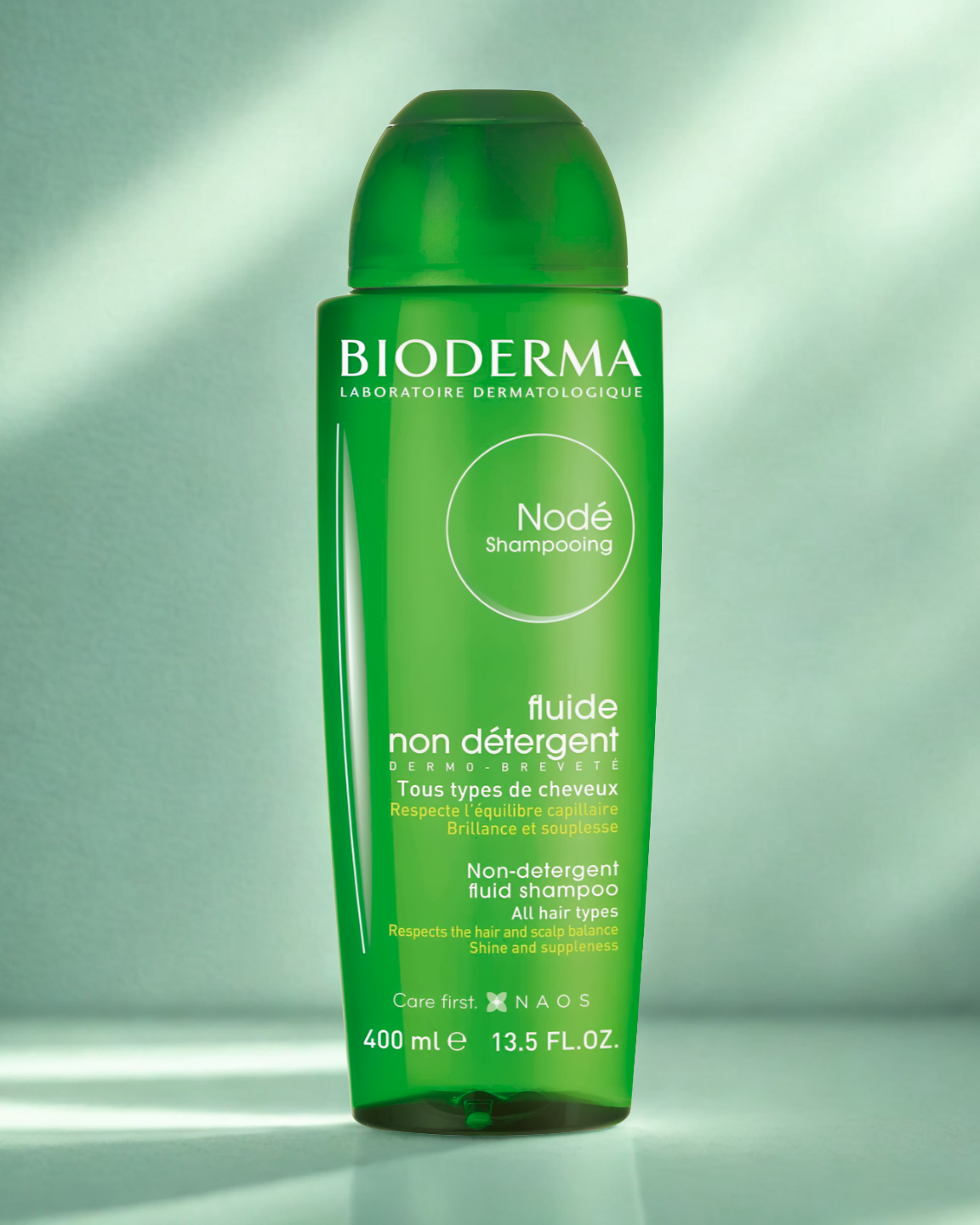
Bioderma Nodé Shampooing Fluide — a gentle, non‑detergent fluid shampoo designed for normal to sensitive scalps. Great if you’re experiencing scalp sensitivity or want a mild, everyday cleanser that won’t strip hair of natural oils. Dermatologist‑recommended for scalp care.
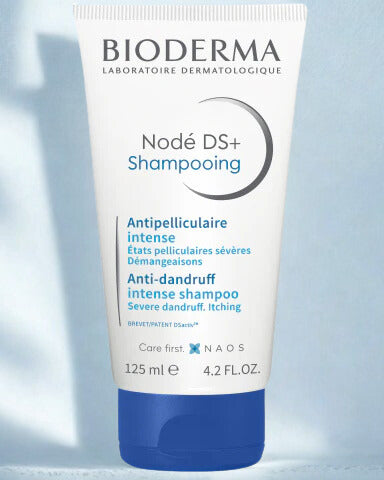
Bioderma Nodé DS+ Shampoo — ideal if you suspect scalp flaking, dryness, or dandruff contributing to hair stress. Its DSactive™ complex targets factors that cause persistent dandruff, and helps normalize sebum production, offering a cleaner, calmer scalp environment.
Using these as part of a gentle scalp care routine can help reduce inflammation, balance oil or dryness, and minimize scalp stress — all factors that support hair follicles and may improve the environment if you’re dealing with hair shedding or thinning.
What Hair Loss Treatment Actually Looks Like
Because hair loss stems from various causes, treatment — or management — often requires a multi‑faceted, realistic approach. Here’s how it typically plays out, depending on the type of hair loss.
If It’s Telogen Effluvium
Identify and remove the trigger — stress, crash dieting, medications, illness, or sleep deprivation.
Support scalp health — use gentle, non‑irritating shampoos like those above. Keep scalp clean, avoid harsh chemical treatments or tight hairstyles.
Support overall health — nutrition, hydration, rest, stress management help especially when hair loss is triggered by systemic factors.
Time and patience — most people see regrowth over a few months once normal follicle cycling resumes.
If It’s Androgenetic Alopecia
Here, expect gradual thinning over months or years. Treatments often include topical medications such as minoxidil (a vasodilator that can stimulate hair follicles), and sometimes systemic medications — though these should be handled by a dermatologist or doctor.
Along with medical treatment, slowing down styling stress (heated tools, tight hairstyles), gentle scalp care, and stress/nutrition management can help maintain what’s left and possibly maximize regrowth potential.
If It’s Alopecia Areata
Because this is autoimmune-driven, treatment often involves topical or injected corticosteroids, sometimes with immunosuppressive therapies.
Supportive scalp care helps — while shampoos won’t treat the autoimmune cause, keeping the scalp calm, clean, and healthy may help follicles in their regrowth cycles.
Why Scalp Care Matters — Even When It Doesn’t Cure Hair Loss
You might think: “Why bother with gentle shampoos if my hair loss is genetic or autoimmune?” The answer: because a healthy scalp gives your follicles their best chance.
Friction, inflammation, excessive oil or dryness – all of these stress the scalp and can worsen shedding or slow regrowth. By using dermatologist‑approved gentle cleansers and minimizing scalp irritation, you reduce damage and support follicle function.
And if you’re launching a skincare/hair‑care ecommerce business (like you plan to), offering scalp‑friendly products can be a smart niche — many people with hair loss don’t realize how much a good shampoo or scalp treatment can help.
Lifestyle, Nutrition & Stress — The Invisible Hair Loss Drivers
Hair health isn’t only about what you apply topically. Internal factors matter a lot:
- Nutrition: Hair is made of keratin — a protein. If your body isn’t getting enough protein, iron, vitamin D, or other nutrients, follicles may enter resting (telogen) phase early.
- Stress & Hormones: Illness, psychological stress or hormonal changes can trigger telogen effluvium or worsen autoimmune conditions.
- Gentle Hair Care: Ditch hot tools, avoid harsh chemical treatments, tight hairstyles — this reduces mechanical stress and breakage.
- Sleep & Overall Health: The body restores itself when rested. Chronic sleep deprivation or systemic illness can derail hair growth cycles.
In data & observation, sometimes hair loss improves simply when the underlying stressor is removed — especially in telogen effluvium cases.
Final Word: Nail the Basics, Then Build a Plan
If you’re facing hair loss — whether sudden shedding or gradual thinning — the first (and most important) step is understanding what kind of hair loss you have. That typically means seeing a dermatologist.
Once that’s sorted:
Cleanse gently
Soothe and balance your scalp
Support nutrition, rest, stress control
Use appropriate medical treatments as prescribed
By combining scalp hygiene with lifestyle care and, where appropriate, medical treatment — you give hair follicles the best shot at staying healthy and regrowing.
And for anyone building a hair‑care ecommerce brand: including scalp‑friendly, dermatologist‑recommended products (think gentle cleansers, anti‑dandruff shampoos, soothing formulas) can meet a real need for people facing hair loss.
Frequently Asked Questions
Q: Can shampoos really stop hair loss like androgenetic alopecia?
A: No — shampoos alone are unlikely to reverse genetic hair thinning. But they can support scalp health, reduce irritation, and create a healthy environment, which helps any medical treatment work better.
Q: If my hair loss began after stress or illness, will it grow back?
A: Often yes — with conditions like telogen effluvium, hair usually regrows once the triggering factor is resolved. It can take a few months though, and supporting nutrition and scalp health helps.
Q: Should I avoid all styling products if I have hair loss?
A: Not necessarily — but it’s wise to minimize heat, chemical treatments, tight hairstyles, and heavy products that can weigh on the scalp or damage the follicles.
Q: When should I see a doctor?
A: If hair loss is sudden, patchy, widespread, or accompanied by scalp irritation, inflammation, or other symptoms — or if it’s causing you distress — it’s a good idea to consult a dermatologist for diagnosis and guidance.
0 comments