

When you regularly spot flakes on your shoulders accompanied by redness or itching, that “just‑dandruff” might be something more serious: Seborrheic Dermatitis. Unlike simple dandruff, which tends to be a cosmetic nuisance, seb‑derm is a chronic scalp condition involving inflammation, oil imbalance, and microbial overgrowth — and it often needs a more strategic treatment approach.
What Actually Causes It
At the heart of seborrheic dermatitis is Malassezia, a type of yeast that naturally lives on your scalp. Under certain conditions — like increased oil production, disrupted scalp barrier, hormonal changes, stress, or even climate — this yeast can multiply excessively. The result: irritation, inflammation, and accelerated skin‑cell turnover that shows up as red, flaky patches and persistent itching.
Oily skin or scalp is a common trigger, because the extra sebum essentially feeds the Malassezia yeast.
Unlike a one‑time dry scalp, seb‑derm tends to come and go — flare‑ups can be triggered by stress, weather changes, hormonal shifts, or using harsh haircare products.
Recognizing the Symptoms
Symptoms of scalp seborrheic dermatitis often go beyond basic dandruff. You might see:
-
Red, inflamed skin on the scalp (or behind ears, eyebrows, beard for those areas).
-
Persistent flaking — either greasy, yellowish flakes or dry, whitish flakes.
-
Itching, irritation or a burning sensation on the scalp.
-
Greasy scalp (especially in oily‑skin people), often coupled with flaking.
-
In some cases, mild hair thinning or shedding, especially if flaking or inflammation is severe and longstanding.
Because seborrheic dermatitis can mimic other scalp conditions (like eczema, psoriasis, or simple dandruff), correct diagnosis — often by a dermatologist — is important.
Treatment & Scalp Care: What Works, What to Watch For
Treating seborrheic dermatitis typically involves a combination of antifungal care, scalp‑soothing routines, and lifestyle/scalp hygiene adjustments. The goal: reduce yeast overgrowth, calm inflammation, and prevent flare‑ups.
Why Antifungal Shampoos Are Key
Because Malassezia overgrowth is often the trigger, shampoos containing antifungal or keratolytic ingredients are first‑line treatment. Effective active ingredients include:
-
Ketoconazole
-
Selenium sulfide
-
Zinc pyrithione
-
Coal tar, salicylic acid (less common but useful for scaling)
A standard approach is using such medicated shampoos 2–3 times per week until symptoms resolve. After that, a maintenance schedule (e.g. once a week) helps prevent relapse.
If shampoos alone are not enough — for example, if irritation or inflammation is significant — a dermatologist may also prescribe topical corticosteroids, calcineurin inhibitors, or combination therapy.
Why Scalp Hygiene & Gentle Care Matter
-
Use lukewarm water (not hot) when washing hair or scalp — hot water can aggravate inflammation.
-
Avoid harsh shampoos, strong detergents, or alcohol‑based hair‑care products that can strip the scalp barrier.
-
Minimize use of heavy oils, dense styling products, or frequent heat styling; these can feed excess oil production and worsen yeast overgrowth.
-
Maintain a balanced diet, hydration, and stress management — overall skin and immune health helps keep flare‑ups in check (more on that in scalp‑care tips below).
Recommended Products for Seborrheic Dermatitis — Picks from The Watermelon
Since you already plan to stock products for scalp and skin care, below are a few dermatologist‑friendly choices from Bioderma and Esthederm that suit seborrheic dermatitis cases.
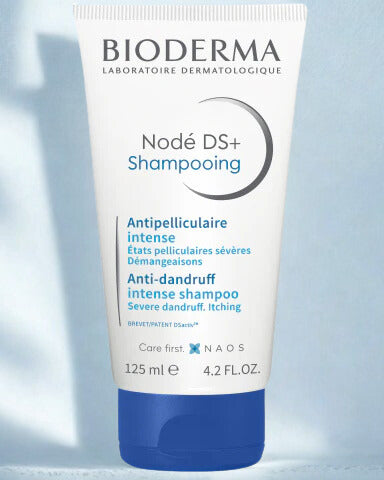
Bioderma Nodé DS+ Anti Dandruff Shampoo / Scalp Shampoo — While many anti‑dandruff shampoos focus on flakes, this one aims to regulate sebum and target factors that trigger scalp imbalance. It’s suitable for oily or sensitive scalp prone to Malassezia overgrowth and flaking.
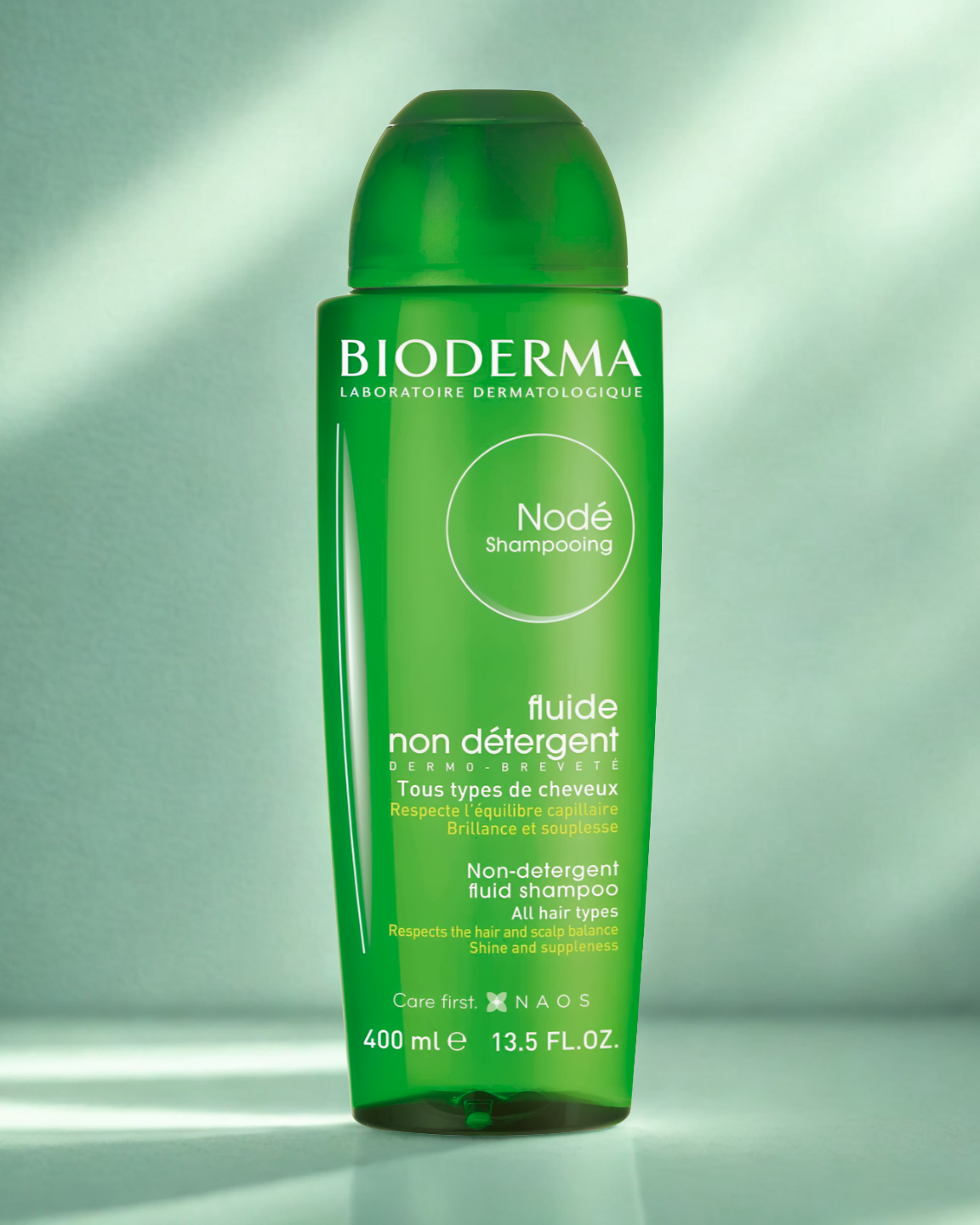
Bioderma Nodé Shampooing Fluide — A gentle, non‑detergent shampoo — great for maintenance washes when scalp is calm, or post‑antifungal treatment, to preserve scalp’s natural barrier without stripping.
Using a combination — for example, 2x/week medicated shampoos, and a gentle shampoo rest of the week — gives scalp time to recover without over‑stripping or irritating.
How to Build a Scalp‑Care Routine for Seborrheic Dermatitis
Here’s a typical routine many dermatologists recommend when dealing with seborrheic dermatitis:
Phase 1: Active Treatment (2–4 weeks)
- Use an antifungal shampoo (e.g. ketoconazole‑based) 2–3 times per week. Leave on scalp for 5–10 minutes before rinsing to allow active ingredients to work.
- Avoid heavy oils, conditioners on scalp — focus only on treatment.
- Wash hair with lukewarm water, rinse thoroughly. Avoid hot water and harsh styling products.
Phase 2: Maintenance & Prevention (Long‑term)
- After symptoms improve: reduce medicated shampoo to once every 1–2 weeks or as needed.
- Use a gentle, scalp‑friendly shampoo between treatments to maintain barrier and avoid over‑drying.
- Keep scalp clean — wash hair regularly but avoid over‑washing.
- Maintain scalp hygiene, avoid excessive oil buildup, and limit triggers (stress, heat styling, harsh products).
Lifestyle & General Care:
Why Even Good Scalp Care Matters (Beyond Treatment)
Because seborrheic dermatitis tends to be chronic and relapsing, success often depends less on “one cure” and more on long‑term balance: regulating scalp oil, keeping microbial growth under control, and avoiding triggers. Good scalp care enhances comfort, reduces flare frequency, and improves hair health over time — especially important for those with hair loss or sensitive scalp.
A Deeper Look: What Happens in the Scalp with Seborrheic Dermatitis
Researchers have shown that in seb‑derm, the scalp’s microbiota (fungi + bacteria) shifts: the Malassezia yeast count increases, triggering an inflammatory response that leads to flaking and redness.
Studies comparing 2% ketoconazole treatment followed by a maintenance phase with a selenium‑sulfide shampoo found significant reductions in fungal counts and skin inflammation, highlighting why many treatment plans combine antifungal and sebum‑regulating approaches.
Because seborrheic dermatitis involves both fungal overgrowth and a compromised scalp environment (oil imbalance, skin barrier disruption, inflammation), a dual‑focus routine—antifungal treatment + scalp care—is often most effective.
When to Seek Professional Help
Seborrheic dermatitis is usually manageable with over‑the‑counter or dermatologist‑recommended shampoos, but you should consult a professional if you face Persistent itching and flaking even after several weeks of proper treatment, Redness, soreness, pustules or any signs of infection or severe inflammation, Hair loss or thinning that coincides with scalp irritation and flaking, Spread of rash beyond the scalp (face, chest, beard area).
Sometimes, what seems like seb‑derm may be something else — like scalp psoriasis or contact dermatitis — which require different treatment. A professional diagnosis is the safest way to proceed.
Frequently Asked Questions (FAQ)
Q: Is seborrheic dermatitis the same as dandruff?
A: Not exactly. Dandruff can be a mild, temporary flaking of dead scalp skin, often with no inflammation. Seborrheic dermatitis is a chronic inflammatory scalp condition, often with redness, itchiness, greasy or oily skin, and persistent flaking. Because it involves yeast overgrowth and sebum imbalance, it tends to need medicated treatment.
Q: How often should I wash my hair if I have seborrheic dermatitis?
A: During a flare‑up, 2–3 times per week with an antifungal shampoo is common. Once symptoms are under control, reducing to once every 1–2 weeks while using a gentle shampoo in between helps maintain scalp balance.
Q: Can seborrheic dermatitis cause hair loss?
A: Severe or persistent inflammation and scalp irritation can weaken hair follicles over time, potentially contributing to hair thinning or shedding. However, if scalp health is restored, hair regrowth is often possible.
Q: Are natural remedies (like oils or vinegar) good for seb‑derm?
A: Natural oils or acidic rinses can sometimes worsen seborrheic dermatitis — especially if they disrupt scalp pH or feed oil production/yeast growth. It’s safer to stick to dermatologist‑approved antifungal shampoos and gentle scalp‑care routines.
Q: Can I use regular shampoo after treatment?
A: Yes — but choose gentle, non‑detergent shampoos that don’t strip the scalp’s protective barrier. Alternate with antifungal shampoos as needed. For example, after a successful treatment period, a gentle shampoo like Bioderma’s maintenance options works well.
Final Thoughts
Seborrheic dermatitis can be stubborn and recurring — but it’s not hopeless. With the right mix of antifungal treatment, gentle scalp care, and healthy lifestyle habits, many people manage to keep flare‑ups under control and restore scalp comfort.
If you’re stocking scalp‑care products for your brand, focusing on trusted names like Bioderma and Esthederm — especially their gentle cleansers, sebum‑balancing shampoos, and barrier‑friendly formulas — gives your customers a truly helpful solution.
0 comments